
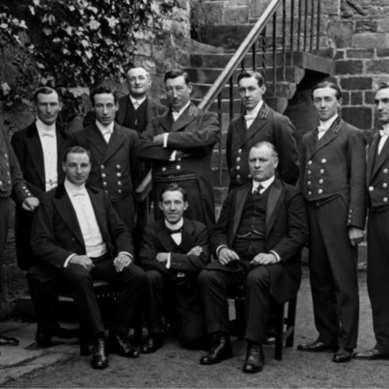
This year, The Rotherham Amateur Repertory reaches a remarkable milestone – its centenary – making it one of South Yorkshire’s longest-established amateur theatre companies.
For a hundred years, generations of actors have stepped into the spotlight, learned their lines, battled first-night nerves and taken their bows before appreciative audiences who’ve laughed, gasped and applauded.
Volunteers have also worked tirelessly behind the scenes to ensure the curtain could rise, helping Rotherham Rep stage almost 490 performances in everywhere from church halls and assembly rooms to the Regent and Civic theatres in Rotherham.
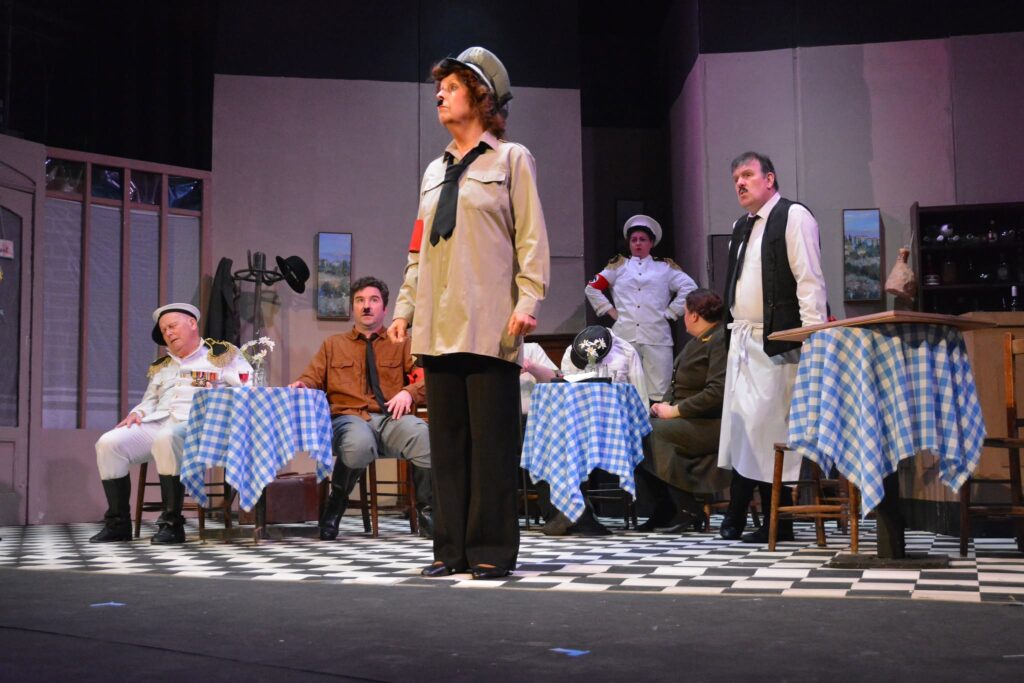
From its earliest productions in the 1920s and 1930s to the modern performances that audiences enjoy today, Rotherham Rep has always been about more than simply putting on a show.
Ask any long-standing member what keeps them returning year after year and the answer is rarely just “the theatre” or an applause at the end of a show. It’s the friendships formed in rehearsal rooms. The shared nerves before a first night. The satisfaction of a scene well played. And the familiarity of working with people who, in many cases, have become extended family.
It is this spirit of community that has sustained the company for a hundred years.
The story begins in 1926, not in a grand theatre, but in a church hall in Masborough.
Originally founded as the Northfield Players, the company was formed as part of a local church group from St Michael and All the Angels on Greasborough Street and was made up predominantly of men. Their very first production was the Yorkshire comedy T’Marsdens, staged to raise funds for a new church organ.
No one involved that evening could have imagined they were laying the foundations for an organisation that would still be entertaining audiences a century later.
Just five years on, the group’s ambitions had grown. In 1931 they became Rotherham Playgoers, severing their formal links with the church and moving performances to the local Temperance Hall on Wellgate. Producing five plays every season, they quickly earned a reputation for quality amateur theatre.
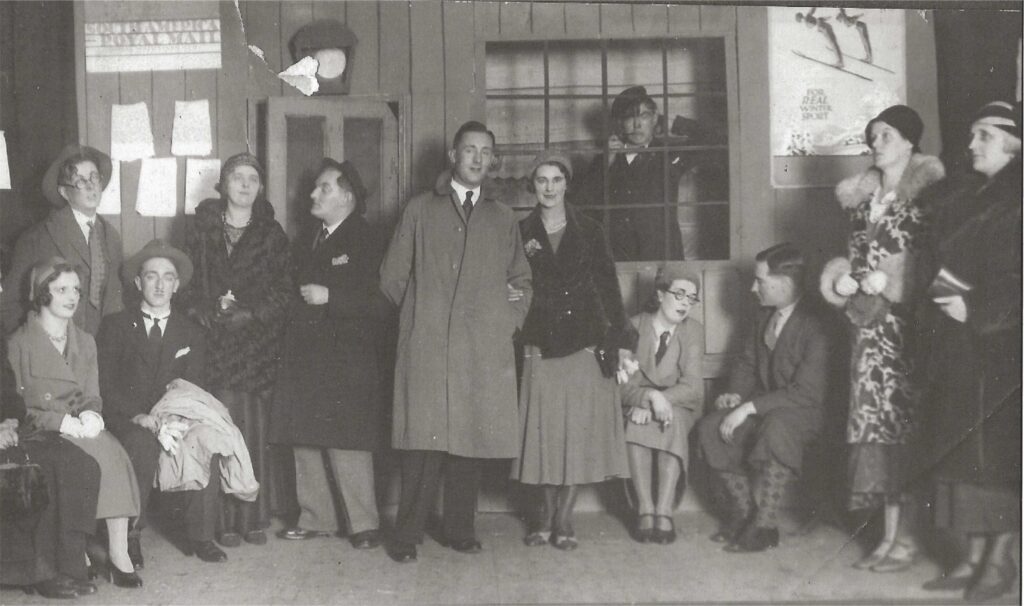
By 1939, the company had secured what seemed the next great step in its history – a contract to perform in a proper theatre: the grand Regent Palace of Varieties in the town centre.
Then the Second World War intervened.
Like so many organisations across Britain, theatrical ambitions were placed on hold as members answered the nation’s call.
When peace returned in 1945, so did the players.
The company emerged with a new name – Rotherham Repertory – reflecting a broader vision. The new title represented not only a more ambitious programme of productions but also a commitment to education, developing acting talent and bringing high-quality theatre to local audiences.
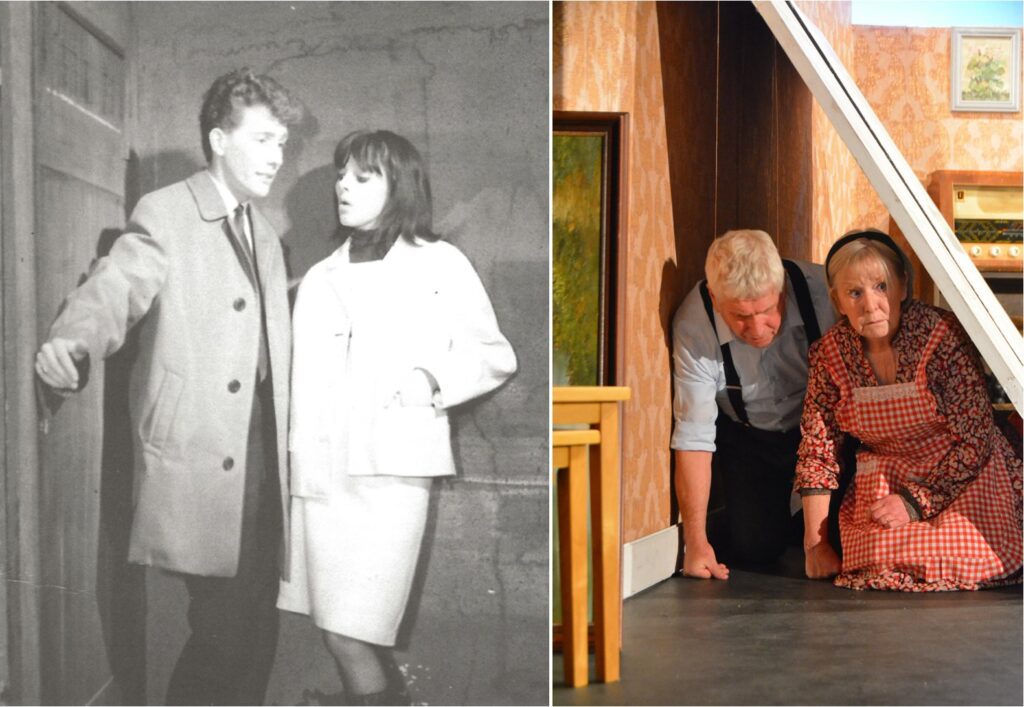
Another landmark arrived in 1960 with the opening of Rotherham Civic Theatre.
It was fitting that the town’s leading amateur dramatic company should become the very first to perform there, presenting Pride and Prejudice. It marked the beginning of a long association with the venue and a new era for amateur theatre in the borough.
Throughout the following decades, Rotherham Rep established a familiar rhythm of six productions every season. Audiences flocked to classic thrillers by Agatha Christie, laugh-out-loud farces by Philip King and much-loved comedies by Leslie Sands that became the company’s trademark.
Along with revivals by JB Priestly and Noel Coward, Rotherham Rep also dipped into plays by new writers such as Bill Naughton and Keith Waterhouse.
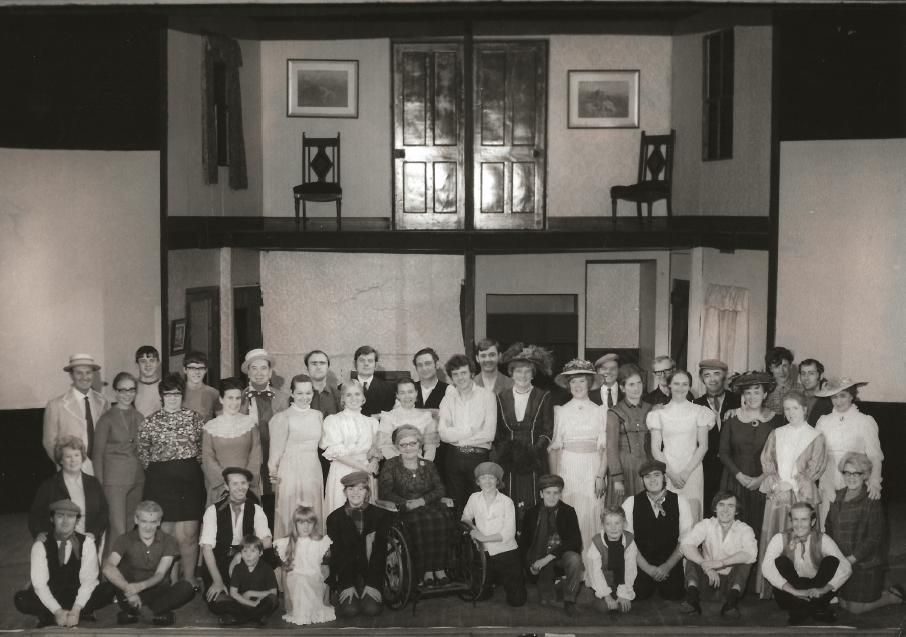
By the 1980s, membership continued to flourish.
Among those treading the boards was a young college student named Sean Bean, long before Hollywood and international fame beckoned.
Yet while famous names may catch the eye, members insist the company’s greatest strength has always been the ordinary people who gave extraordinary amounts of time.
“The members are what have made us last,” says Rotherham Rep’s chairperson, Elaine Demaine. “The early members in particular did a tremendous job of establishing The Rep as a quality amateur dramatics company that we current members have inherited.”
Elaine has been involved with Rotherham Rep for fifty years, having moved to Rotherham as a teenager for her father’s job and being encouraged to take up a hobby to meet new people.
She initially joined another amateur musical theatre company, having loved singing. However, while she had a great voice, she says she quickly realised she couldn’t act.
Elaine joined Rotherham Rep when she returned from university and has been involved ever since.
“The first play I was in was Doctor in the House and the director, Michael Cooke, who was a presenter on BBC’s Look North, made me walk on thirteen times before I was allowed to speak. I had an awful lot to learn but I have learned so much from lots of different directors over the years.”
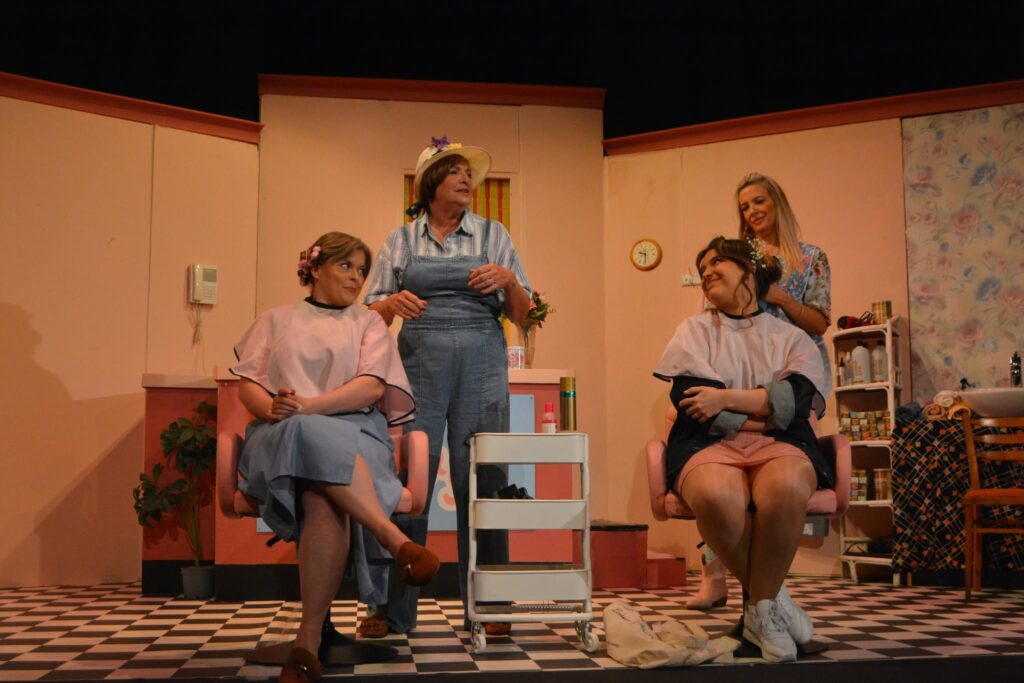
Many members like Elaine have been involved for decades, both on and off stage.
Generations of volunteers have built scenery, painted sets, sewed costumes, sold programmes, directed productions and encouraged newcomers. Their commitment has established Rotherham Rep as one of the region’s most respected amateur theatre companies.
Today’s membership reflects that century of tradition.
Teenagers perform alongside experienced actors with decades of productions behind them. Rotherham Rep’s oldest member Betty Dale, now in her nineties, famously played Elizabeth Bennet in that historic 1960 production of Pride and Prejudice when Rotherham Civic Theatre first opened. Although she no longer performs on stage, Betty is still heavily involved as an honorary member and often helps cast members with their lines.
It is that blend of youth and experience that gives the company its unique character.
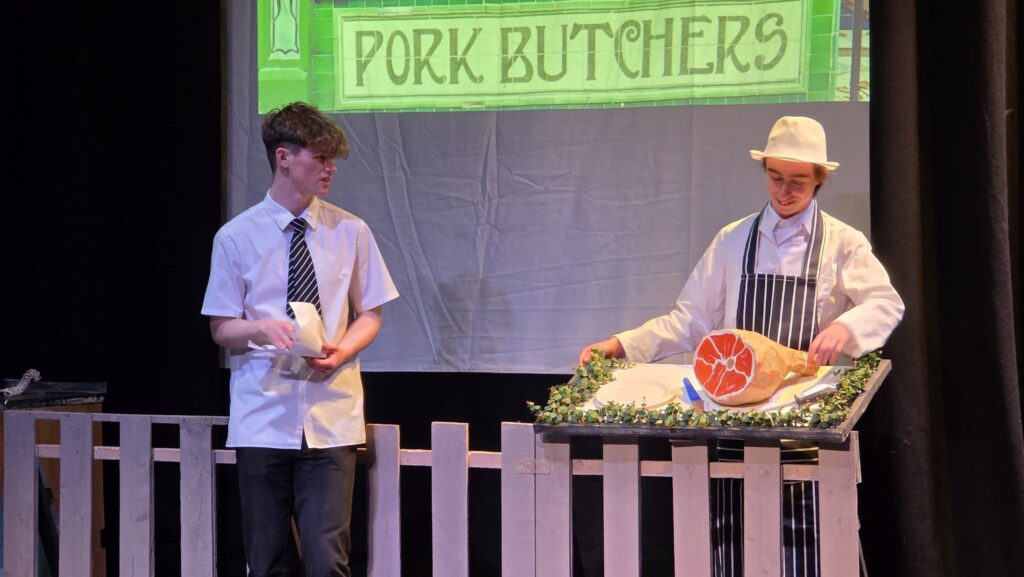
Some members are professional drama teachers, while others rekindled acting many years after their fond schooldays. Others simply discovered a love of acting later in life and never looked back.
Behind every performance is another dedicated team – skilled retired craftsmen who design, build and paint the scenery, creating everything from Victorian drawing rooms to mysterious manor houses.
Unlike many amateur companies that lean heavily into musicals, Rotherham Rep has long been rooted in straight drama. From classic stage texts to modern psychological pieces, farce, thrillers and contemporary writing, the emphasis has always been on storytelling and performance.
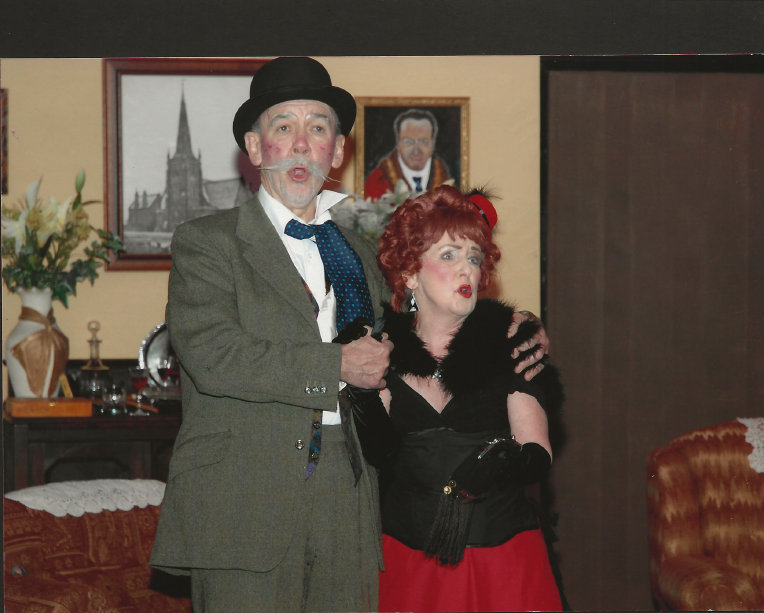
Each season, the dramatic director proposes four productions, which are discussed by members to create a balanced programme that offers something for everyone.
The result is a carefully balanced repertoire that challenges performers while offering audiences variety and depth — a tradition that has helped define the company’s identity over time.
Over the past century, Rotherham Rep has staged more than 490 productions, with favourites including works by Agatha Christie, Alan Ayckbourn, J. B. Priestley and John Godber.
For a company as old as they are, it’s surprising that they didn’t do Shakespeare until the 21st century. However, audiences have fond memories of their take on Twelfth Night in 2010, A Midsummer Night’s Dream in 2015, and this year’s Macbeth.
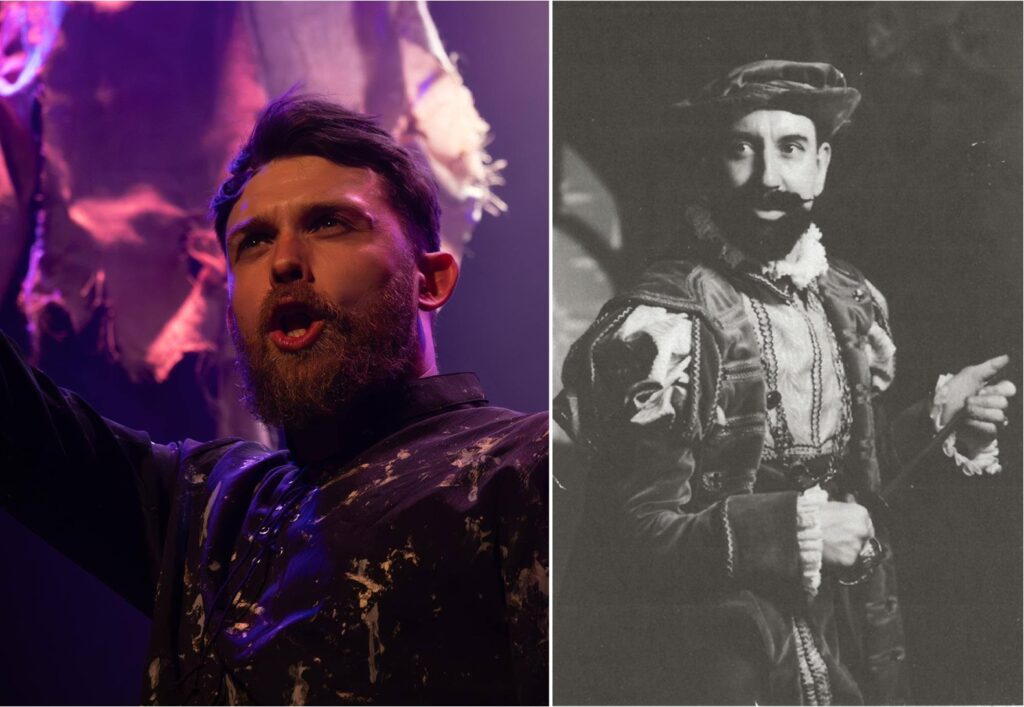
The centenary season perfectly reflects the variety they have become renowned for, with current dramatic director Richard Wilshaw having selected a great mix of plays.
This September, they present a farce version of The Hounds of Baskervilles featuring just three performers. Suzy Peterson is directing and it will be on at Rotherham Civic between 15th and 18th September.
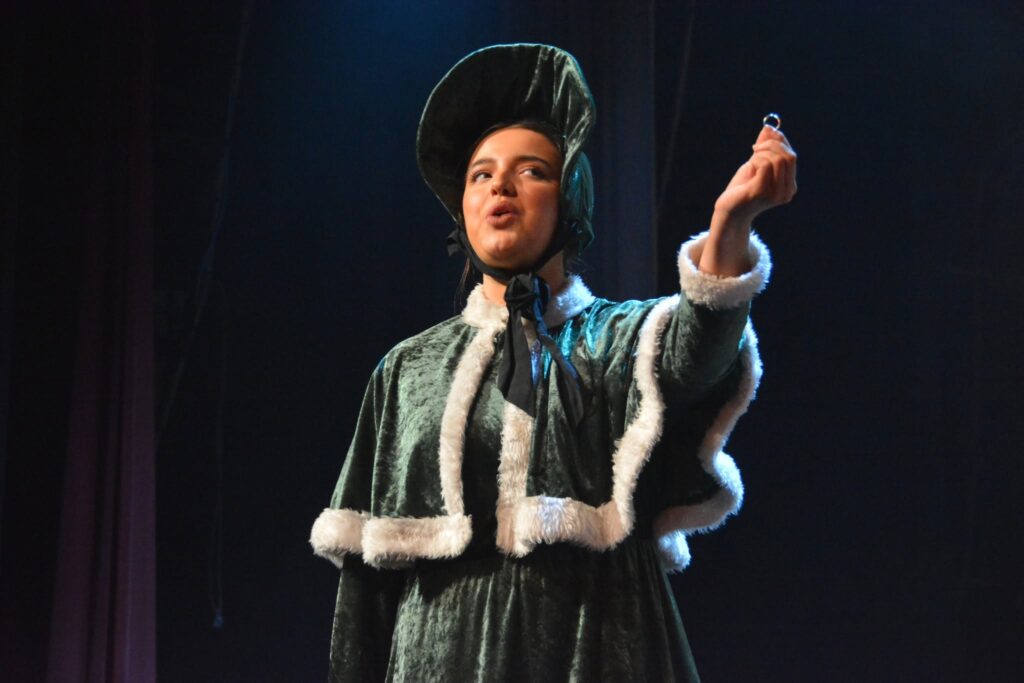
Then in November, Rotherham Rep is set to return to a family show for the first time in almost ten years with a production of Roald Dahl’s George’s Marvellous Medicine. The last time they did a play for children was back in 2017 when they performed Babe the Sheep Pig.
Later in the season they will be doing the Pulitzer Prize winning A Streetcar Named Desire followed by the modern thriller 2:22 A Ghost Story.
Perhaps the most exciting chapter in the company’s history is only just beginning.
Despite existing for 100 years, Rotherham Rep has never had the security of a permanent home.
However, that is about to change.
The company has secured a seven-year tenancy at the former Unitarian chapel on Downs Row, giving it, for the first time in its history, a single base where rehearsal rooms, scenery workshops and storage can all exist under one roof.
For a company that has always made do and improved – and volunteers who have spent decades transporting scenery between venues and rehearsing wherever space could be found – it represents a dream finally realised.
“This is a real step forward for us and a tremendous achievement that I am really proud of. I hope we can stay there for the rest of our working life,” says Elaine.
The new space will not only streamline productions but also provide stability for the future — a foundation for the next century of work.
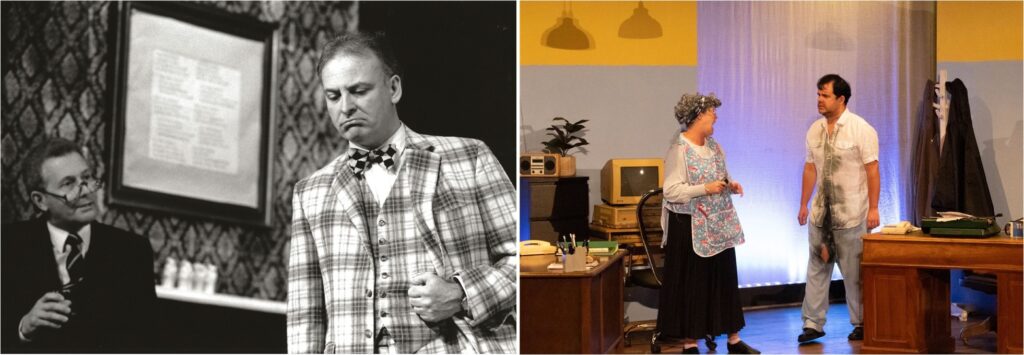
Theatre has changed dramatically since 1926.
Silent films have given way to streaming services, television arrived, cinemas evolved and audiences now have more entertainment choices than ever before.
Yet there remains something uniquely powerful about live performance.
For two hours, strangers gather in the same room, sharing laughter, suspense, emotion and applause. That magic has kept Rotherham Rep alive for a century.
Elaine says she hopes that audiences find a professional standard production for an amateur price, with all their plays at Rotherham Civic currently priced at between £8 and £10 a ticket.
“I would like to think that we give local people a chance to see drama they wouldn’t normally see without going to the likes of Sheffield, Leeds or York where ticket prices can be unaffordable for many.”
The centenary is not only a celebration of the past but also an opportunity to look ahead. New members are always welcome, whether they dream of acting, directing, building sets, painting scenery or helping behind the scenes.
Because if the past century has proved anything, it is that great theatre isn’t built by buildings or budgets. It’s built by people.
And thanks to those people, Rotherham Rep’s next act promises to be just as memorable as its first.
For more information about joining Rotherham Rep or where to buy tickets, visit their website.