
With wildlife photographer, Harriet Day
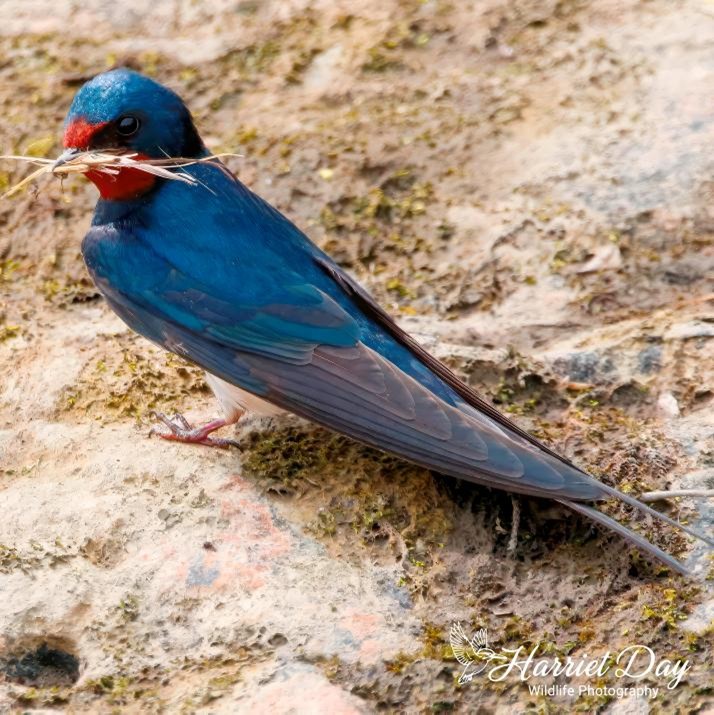
Barn swallows are one of Britain’s most familiar summer visitors.
Every spring, they return from South Africa after a remarkable 6,000-mile migration. Weighing just 20 grams, these birds can travel close to 200 miles a day, arriving in the UK exhausted but ready to breed.
Yet, like many migratory birds, their numbers are in decline due to a combination of factors including habitat loss, illegal trapping, climate change, and the sheer physical demands of migration itself.
As an ornithologist and licensed bird ringer, I wanted to understand how environmental conditions in my hometown of Rotherham might be influencing their breeding success.
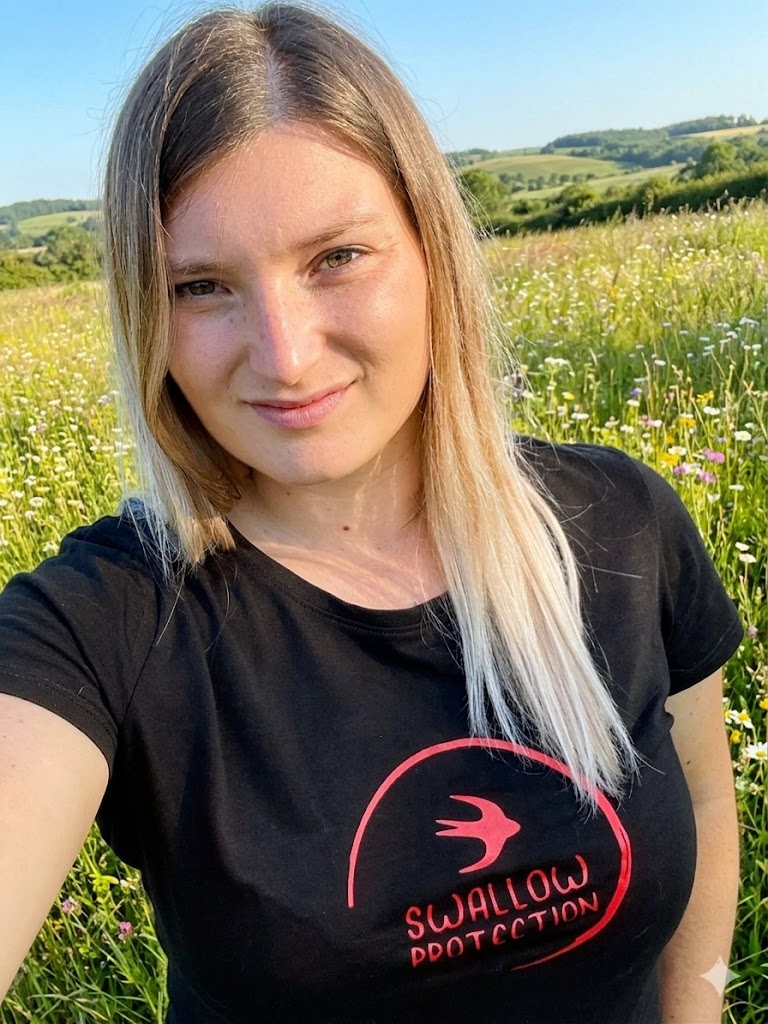
For the past four years, I have been studying barn swallows on two farms in Whiston and Wentworth. Despite being only seven miles apart, the two sites produced dramatically different results.
A successful swallow pair can raise up to three broods each season, with as many as six eggs per clutch. However, achieving that depends on two essentials: suitable nesting conditions and a reliable supply of insects.
The challenges begin before the first egg is laid. Swallows build delicate cup-shaped nests from mud, collecting more than a thousand beakfuls over several days before lining them with feathers.
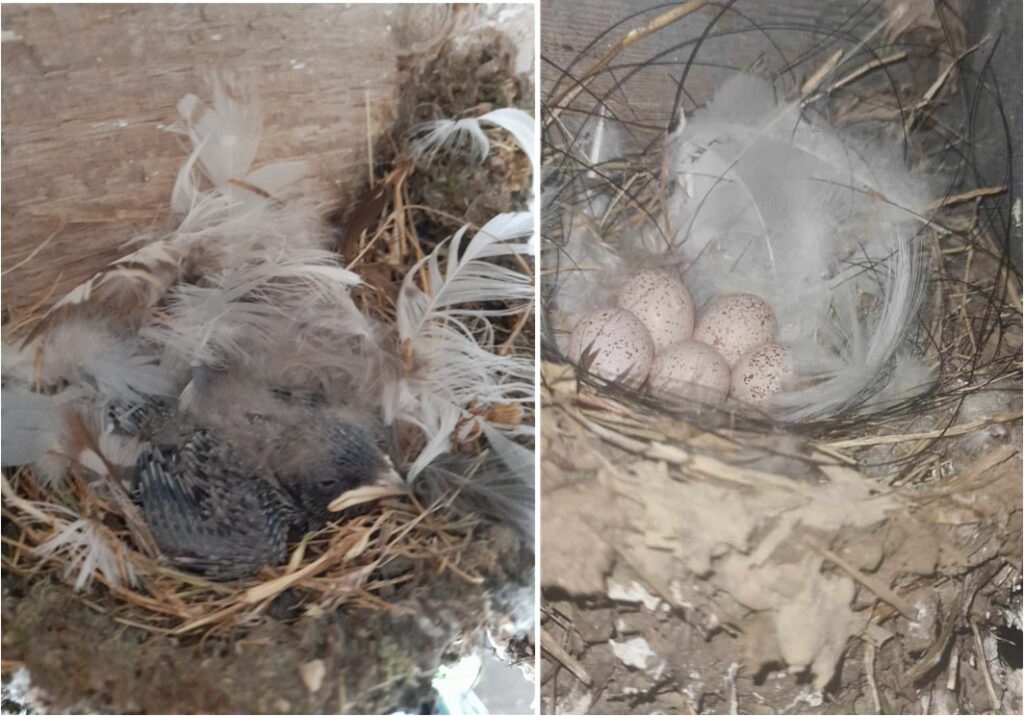
At Whiston, nine pairs returned to old nests from previous years, giving them a valuable head start. Three younger pairs built new nests, but still completed them in around five days.
At Wentworth, conditions were very different. The site’s only breeding pair lost their nest during a period of extreme heat and had to start again. With little mud available, rebuilding took nine days, delaying breeding and reducing their chances of raising a third brood.
The contrast revealed how important local conditions can be. At Whiston, horses were regularly hosed down during hot weather, creating muddy patches that swallows quickly used as building material. At Wentworth, smoother ground surfaces and fewer animals meant far less access to mud.
Food availability proved even more important for chick survival.
To understand what chicks were eating, I analysed poo samples from both sites. At Whiston, young birds were fed mainly on cockchafers, large beetles rich in nutrients and ideal for growing chicks. At Wentworth, chicks received a more limited diet of moths and wasps. None survived beyond the early stages of development.
Extreme weather appeared to be a key factor. Prolonged heat and localised field fires around Wentworth likely reduced populations of soil-dwelling insects, leaving parents with fewer high-quality prey items. Whiston, meanwhile, continued to support abundant insect life, allowing chicks to thrive.
As the season progressed, the pattern continued. During the second brood, both sites hatched four chicks from five eggs, but food shortages and fluctuating temperatures caused further losses at Wentworth.
By the third brood, Whiston pairs adapted by laying smaller clutches and feeding chicks on seasonal prey such as greenbottle flies and flying ants. Those chicks successfully fledged and prepared for migration. The Wentworth pair, however, ran out of time and resources, and their final breeding attempt failed.

By autumn, the difference was clear. Some fledglings from Whiston weighed up to 23 grams—heavier than many adults—evidence of exceptional food availability and experienced parenting. When I later ringed and measured the adult birds with my assistant ornithologist Leah Smith, they showed healthy fat and muscle reserves, ready for their long journey back to Africa.
The Wentworth pair, however, had already departed the site earlier in the season.
This study highlights how climate, food supply and nesting conditions continue to influence breeding success. More importantly, it shows that conservation doesn’t always require large-scale interventions.
Sometimes, the difference between success and failure can be found in something as simple as a muddy puddle.
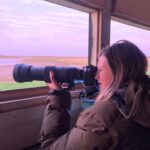
Harriet Day is a wildlife photographer and ornithologist based in Rotherham. See more of her work on Instagram.