


With wildlife photographer and ornithologist, Harriet Day
When summer begins to sing
By late spring, the world seems to lift on wings.
The early light arrives almost before the night has properly settled and with it comes the full chorus – thrush, wren, blackbird – staking its claim in sound. Male birds will sing their little hearts out to attract a female early in the morning from 5AM until mid-morning.
Every dawn offers a reminder that the season is not just changing but surging forward. Hedges thicken, nests deepen and the air itself feels busy with purpose.
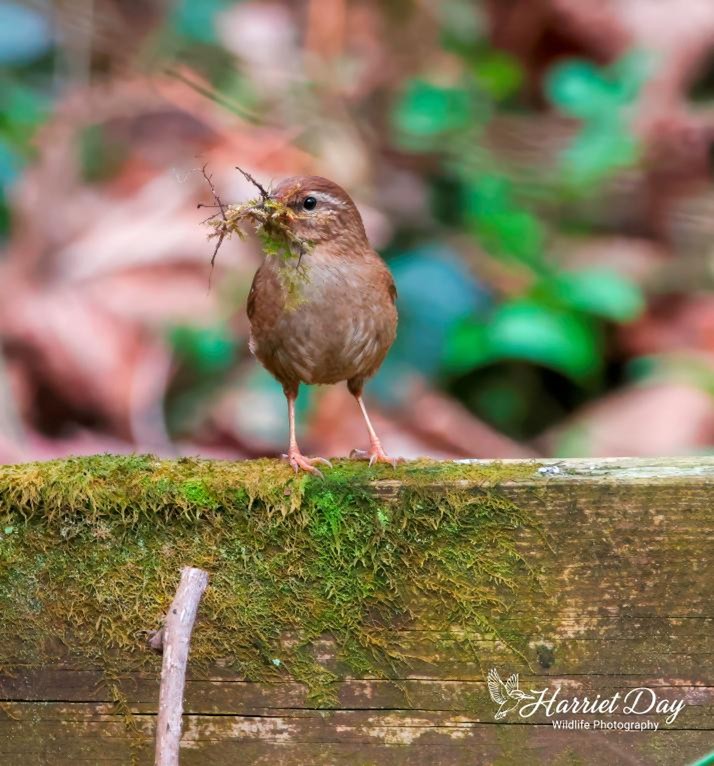
Birds with nesting material can be spotted frequently. By May, some birds can be on their second brood due to early breeders such as robins and dunnocks. Did you know male Wrens will build seven nests, allowing the female to pick the one she prefers then having back up nests for any sign of danger and future eggs.
Looking out for migrating birds like swallows is a rewarding experience. Swallows return from South Africa each year, travelling over 6,000 miles and covering up to 200 miles a day during their migration before resting in reed beds.
These birds are remarkably loyal to their breeding grounds, returning annually to the same nests to lay clutches of six eggs and raise up to three broods per season. If all the eggs hatch, that means a pair could rear as many as eighteen chicks in the UK, who will then embark on their first migration back to South Africa alongside their parents.
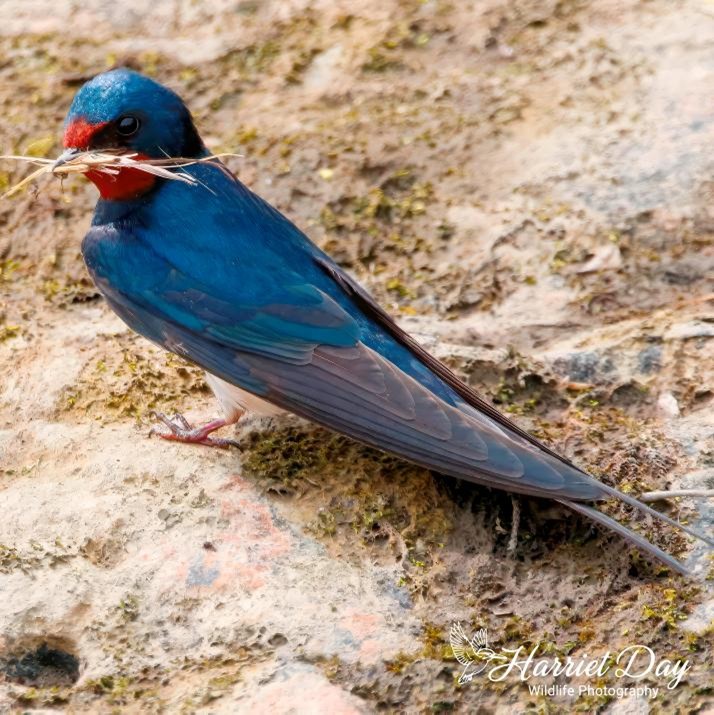
Encountering these beautiful birds is a privilege; they’re often seen around farms, buildings and fields, using mud to construct their nests. It takes between 1,000 and 14,000 pieces of mud collected over one to two weeks to build a nest, which is then lined with feathers. This fascinating nesting behaviour can be observed in the fields at Greasbrough Dam in Rotherham.
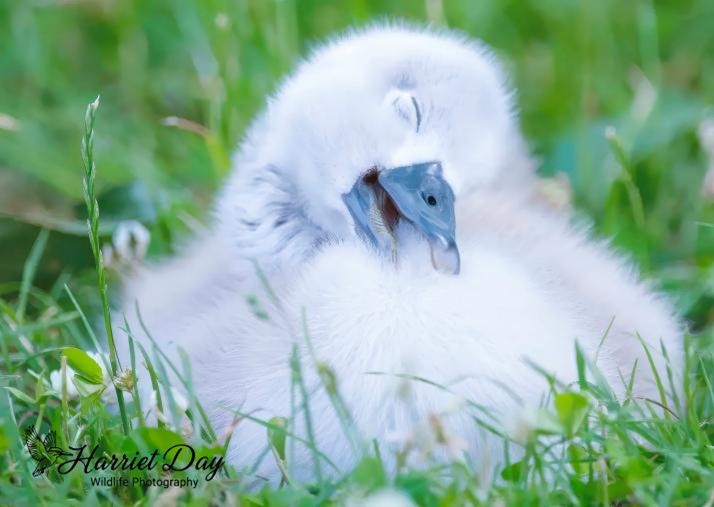
By early summer, swans will have their little fluffy cygnets following them around for food on the riverbanks – amazing to see and cuteness overload. Cygnets can swim just a couple of hours after hatching and will develop their white plumage after 18 months old.
Locally, you can often see a bevy of swans at Greasbrough, Thrybergh and Ulley country parks in Rotherham, and Cannon Hall, Elsecar and Wosbrough reservoirs in Barnsley.
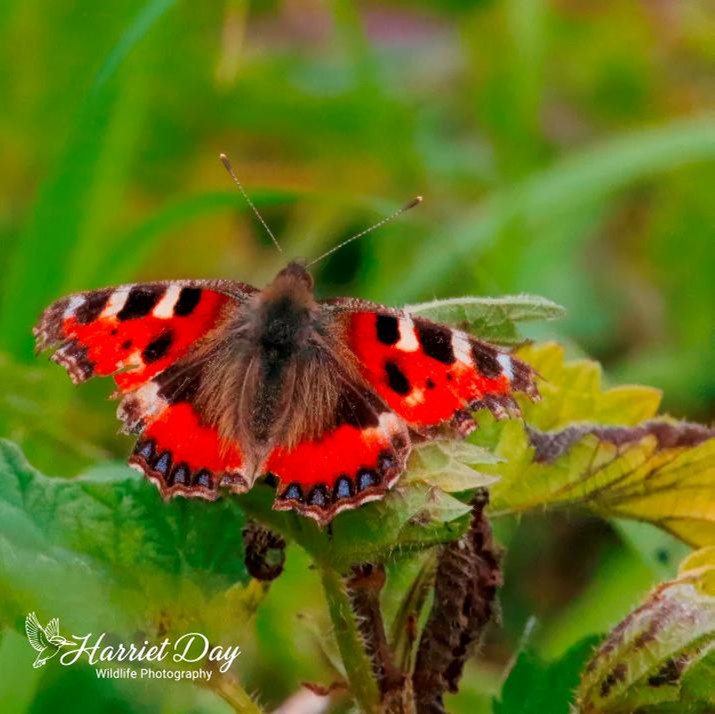
If you love to look out for the fluttering of a butterfly, peacock butterflies can be seen absorbing the sunshine in May. They love stoney paths and overgrown wildflowers. Butterflies taste with their feet and are cold blooded, so they often cannot fly without temperature being over 13 degrees.
Bats can be seen anywhere on a warm evening after coming out of hibernation ready to pair up and breed. The most common bat you might see at this time of year is the common pipistrel that emerge 15 minutes before sunset. Bats echo-locate to find food in front of them. They return back to their roosts 15 minutes before sunrise.
How to help attract wildlife in your garden
Experience the wonders of nature from the comfort of your own garden, without the need to leave your home, by following these tips.
Plant for Pollinators
Choose nectar-rich flowers that bloom in late spring and early summer such as lavender, foxglove, honeysuckle and wildflowers, or herbs like thyme, chives and mint. Plant in clusters so bees and butterflies can forage efficiently.
Add Nesting Sites
Put up bird nest boxes for breeding birds – different sizes attract different species. Place natural sheep’s wool in empty suet cages, wire feeders or twigs for birds to take for nest building. Kids might love to build a bug hotel using logs, bricks and hollow stems. You can record any birds nests you find with the British Trust of Ornithology’s Nest Record Scheme to help the BTO gather vital information on the breeding success of Britain’s birds.
Reduce Night Lighting
Artificial light disrupts nocturnal wildlife like bats and owls. Turn off unnecessary garden lights and use motion sensors or warm, low-intensity bulbs.
Let It Be a Little Wild
Nature thrives in imperfect spaces. Delay mowing parts of your lawn if you can or allow a corner to grow naturally. Avoid pesticides and chemicals can harm beneficial insects and disrupt the food chain. A few nibbled leaves is a sign your garden is alive!
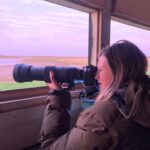
Harriet Day is a wildlife photographer and ornithologist based in Rotherham. See more of her work on Instagram.

Next