If you’re drawn to places that do things differently, Cawthorne Victoria Jubilee Museum in Barnsley is well worth a visit.
What its volunteers modestly describe as a ‘Victorian hotchpotch’ is, in truth, the museum’s greatest charm.
In this most unconventional of museums, founded in the 1880s and owned by the village, is a jumble of curios gathered over generations, where you could discover something new with every trip.
From a marching drum that appeared on TV to a two-headed lamb and the boots of a young lad once struck by lightning, the collections offer a fascinating insight into Cawthorne’s happenings over the last century.
Taxidermy makes up a large proportion of the exhibits, keeping the museum’s original ethos of natural history at its heart. A museum society was formed over 140 years ago by the parish vicar, Reverend Charles Tiplady Pratt, to encourage young people to be interested in natural history, science and the workings of the world.
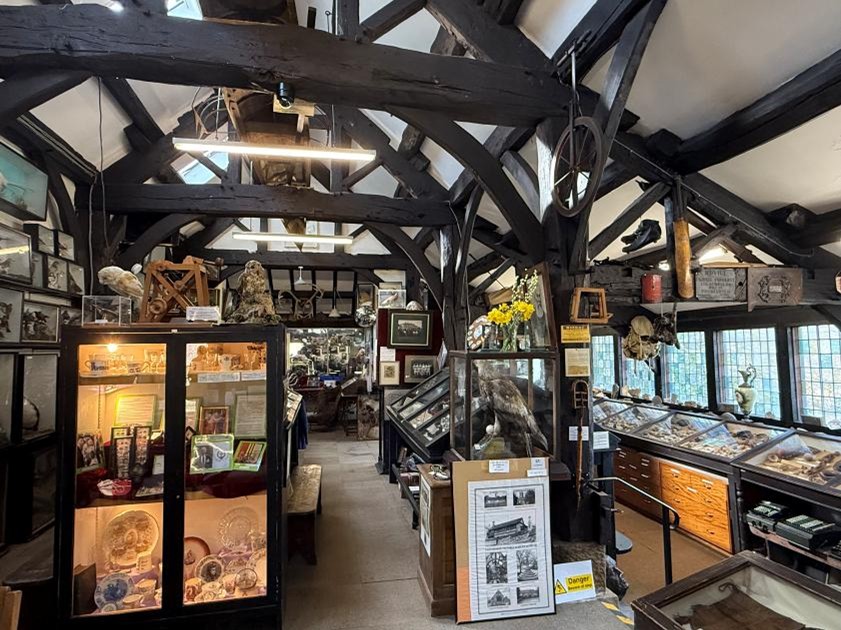
Today, the museum is alive – or stuffed – with delicate butterflies and carefully preserved animals and birds, including a cheetah, puffer fish, and a mongoose locked in combat with a cobra.
Some of these have been acquired, while others have a local tale. The famed two-headed lamb, which has become a favourite with visiting school children, was found on a farm many years ago by current trustee, Robin Herbert, when he was just a lad. He didn’t want it to be destroyed, so asked for it to be preserved for the museum which his parents, Mary and Les, were heavily involved in.
When Rev. Pratt started the museum society in 1884, he formed groups to study a collection of birds’ eggs, wildflowers, fossils, shells and grasses. He also delivered penny readings, or lectures, during the winter season. These are still part of the programme today, but for slightly more than a penny!
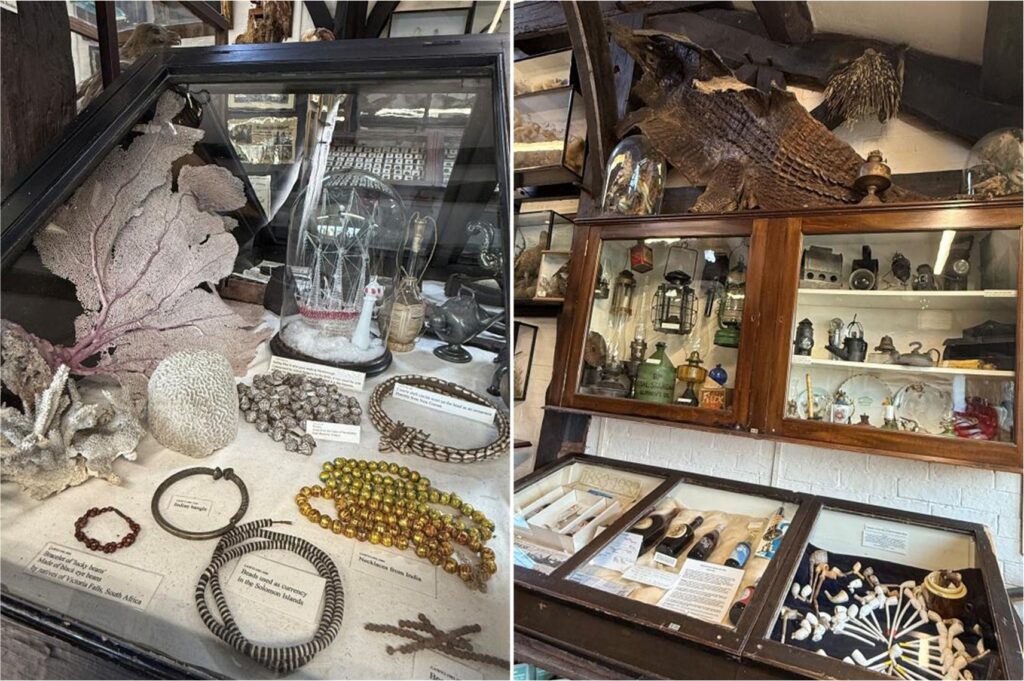
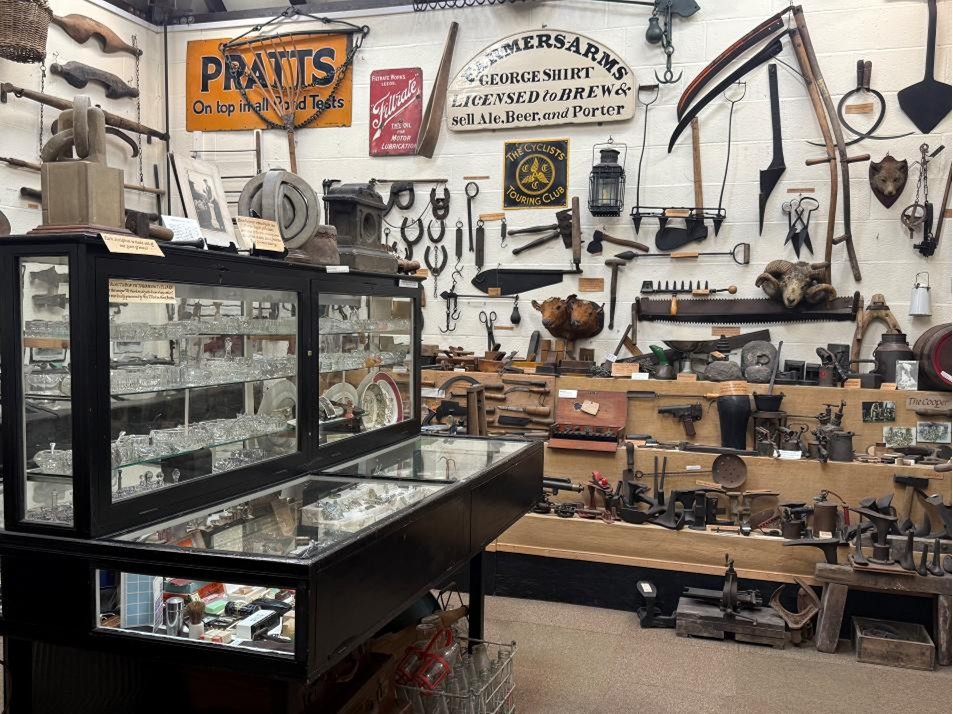
As well as natural history, Cawthorne Museum includes objects of village life, creating a space where curiosity and heritage meet. There are farming implements and blacksmith products to showcase the village’s agricultural history, including a man trap found in a nearby orchard.
Villagers have added to the collection over the years, keeping the story alive with more recent happenings. Domestic bygones and war time relics are showcased alongside old schoolbooks and a pair of battered boots belonging to Tom Parkin who was struck by lightning and lived to tell the tale.
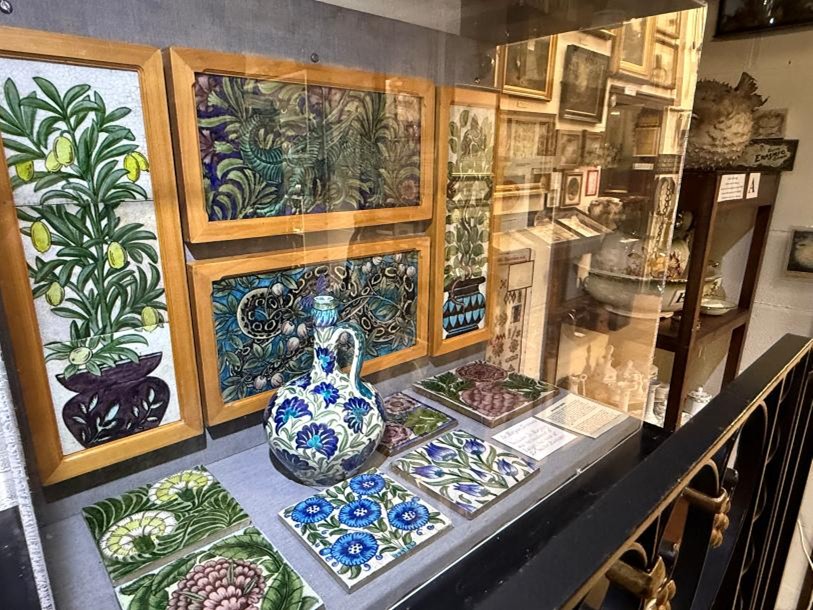
Art has always had a strong connection to the village, what with the pre-Raphaelite artist John Roddam and his niece Evelyn de Morgan being part of the Spencer-Stanhope family up at Cannon Hall. Examples of both artists’ work can be found in the museum.
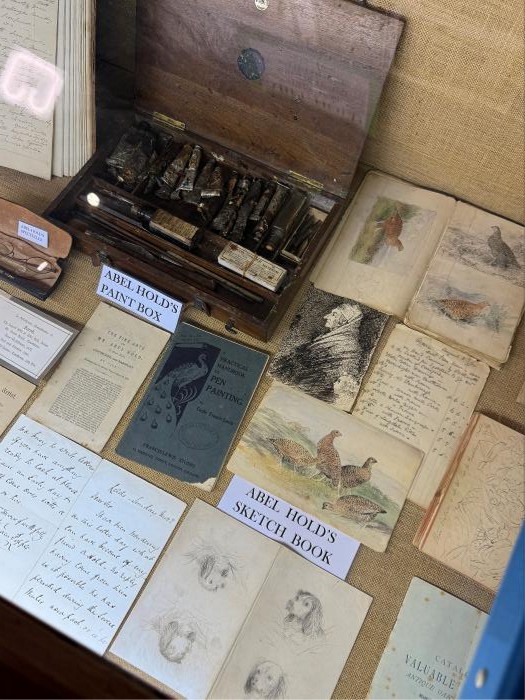
Another well-known artist connected to Cawthorne is Abel Hold who was an animal and game painter. Hold had a penchant for dead birds and nest eggs, creating graphic end-to-end portraits of unlucky pheasants, partridge and game. He moved to the village in 1852 and lived there for over 40 years until he died aged 81. Three of his seven children went on to be artists: Thomas, Benjamin and Florence.
Cawthorne Museum has various pieces of his work on display. But this year, they are hosting a special exhibition with some of his personal belongings that have kindly been donated by his descendants. These include his paint box, sketch books, reading glasses and diaries.
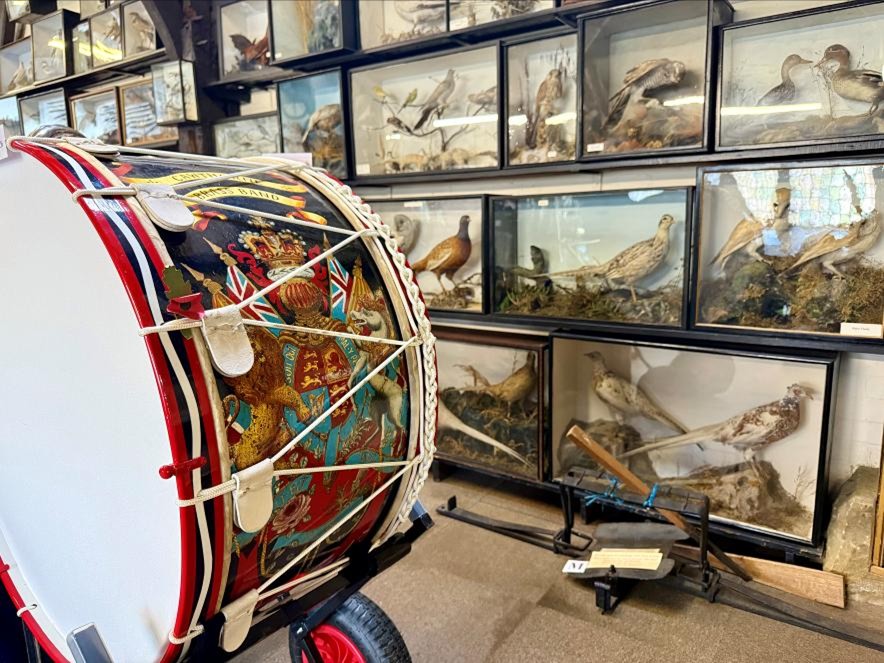
One of the newer additions is the original marching drum belonging to Cawthorne Brass Band that has been beautifully restored thanks to the team at BBC’s The Repair Shop. It was bought by the band when they formed in 1873 but burst while being tightened in 1990, so had been in storage for over 30 years. It now stands pride of place in the museum and is still used by the band for special events.
The drum was put forward for its TV appearance by Ron Carbutt OBE who hails from Cawthorne. Ron has also donated his Maundy Money he received from the then Prince Charles in 2022. Ron was invited to a special Easter ceremony at Windsor Castle where he was given two leather bags featuring specially-minted coins to represent Queen Elizabeth II’s rein of 70 years and her age – then 96.
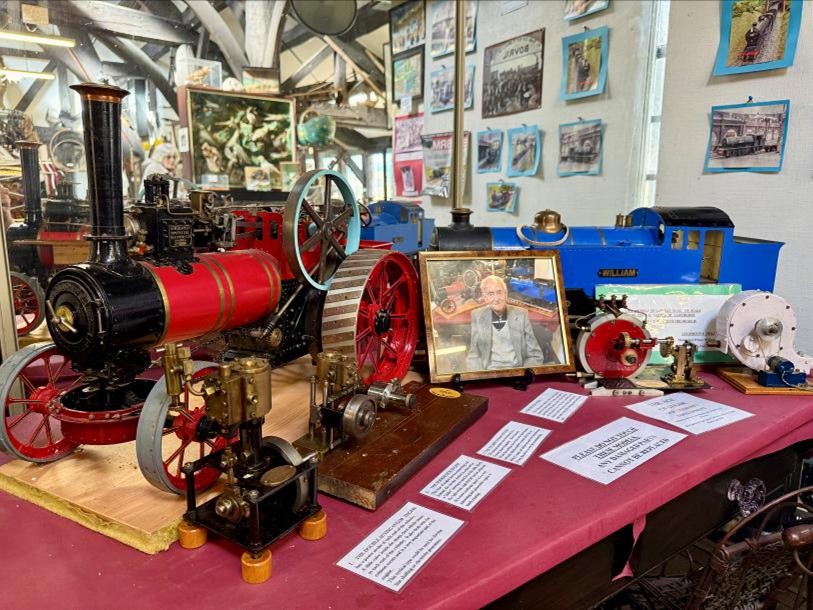
Proving that age has no limit is another villager, Victor Haynes, who has recently donated two model steam trains he made. Now 102, Victor used to be an engineer for a sewing machine company over the border in Clayton West. He built to-scale locomotives in his spare time and has since donated two to the museum to show how the age of steam affected our country’s development.
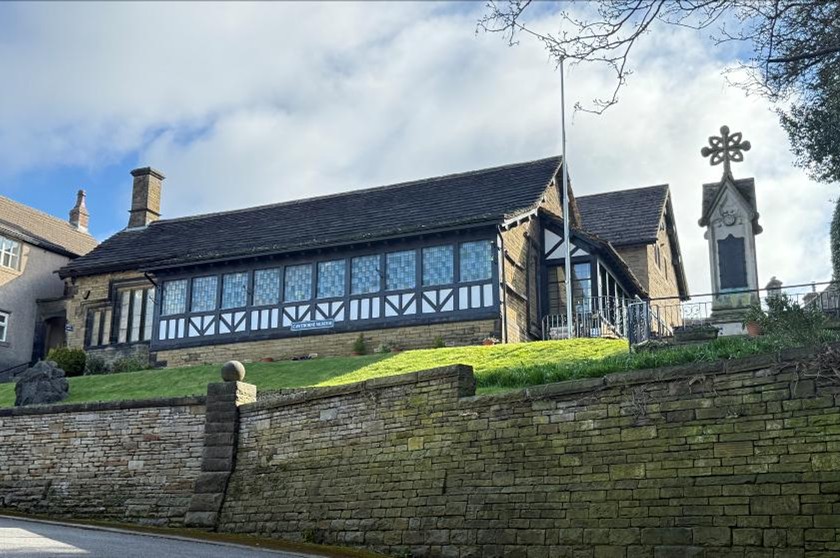
The building itself is full of historical interest, having been pieced together with materials from different eras.
It was built in the late 1880s after the collection outgrew its original cottage premises on Maltkiln Road. The reverend persuaded the squires from Cannon Hall, Sir Walter Spencer-Stanhope and his artist brother John Roddam, that the village needed a proper museum.
They’d already loaned some of their own items collected from their worldly travels to the society. They agreed with the reverend and allowed their estate workers to build the museum during quieter periods.
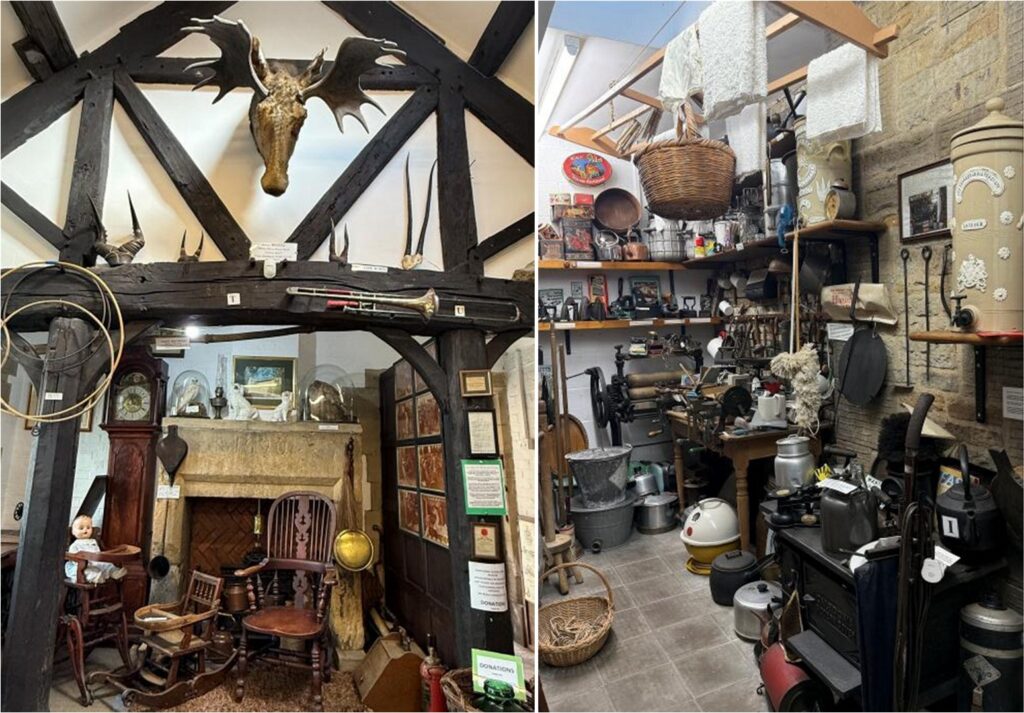
Foundations were laid in 1887 – the golden jubilee year of Queen Victoria, from which it gained its full name. The museum took two years to build, using materials from around the estate. Stone and timbers were taken from demolished properties, including a 13th century crook and a 17th century fireplace taken from an old vicarage down the road on Darton Road.
Cawthorne Victoria Jubilee Museum officially opened in October 1889 with a public tea and the new building saw the society flourish.
By the 1950s, the Spencer-Stanhopes’ only remaining relative Elizabeth had sold their family seat of Cannon Hall to Barnsley Council.
She also offered the museum to the society for a cost of £100. The society didn’t have the funds to pay, but were saved by an anonymous benefactor who gave them the money on the condition that they raise £200 over the next four years to guarantee the building’s upkeep.
The museum has been owned by the village ever since and today is run by a small team of volunteers who all live locally.
Over the last 70-odd years, the museum has continued to evolve while still keeping its eclectic nature at its core.
The building has twice been extended through grants, bequests and fundraising to house a growing collection and make it more accessible. A disabled ramp, toilet facilities and additional gallery space called the Rose Room were added in the late 1990s.
The museum opens between 2pm and 5pm at weekends and bank holidays from Palm Sunday through to late October. It is free to enter but donations are welcomed to help cover running costs. Group bookings are also available by request.
Find out more at www.cawthornemuseum.com
Cawthorne Victoria Jubilee Museum, Taylor Hill, Cawthorne, Barnsley S75 4HQ