


This summer, as football fans gather in pubs and living rooms across South Yorkshire to watch the World Cup, the spectacle unfolding in American stadiums will showcase the very best of the modern game: speed, skill, precision.
But beneath the competition lies a deeper narrative. One that begins in Sheffield, develops in Scotland and travels across the Atlantic with those who believed football could be more than just a kick-and-run pastime.
Long before billion-pound leagues and global superstars, football was a rough, chaotic game, more about dribbling through opponents than working with teammates. But here in Sheffield, the celebrated home of football, that early game began to change.
Matches were still physical and direct, but structure began to emerge. The idea that football could be organised – perhaps even strategic – took root on muddy pitches in South Yorkshire.
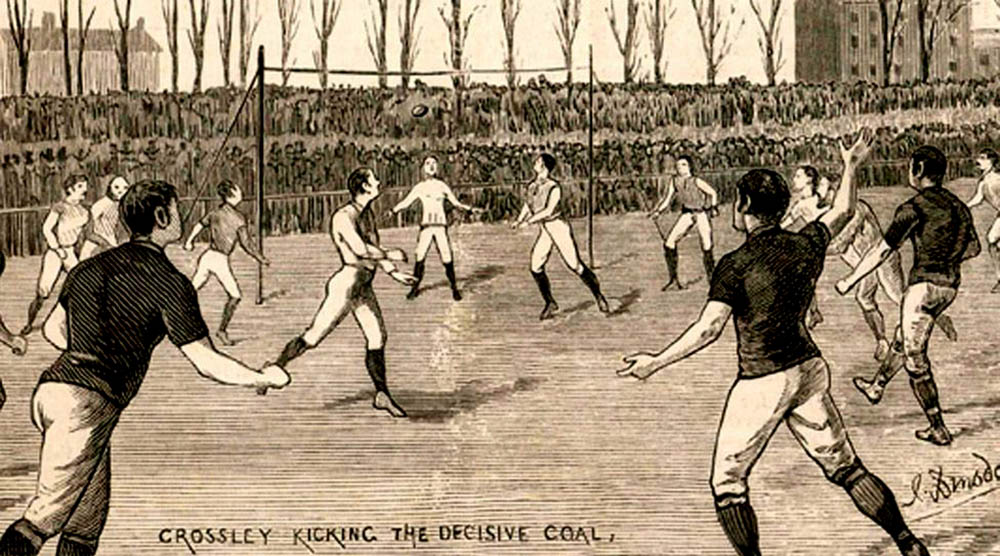
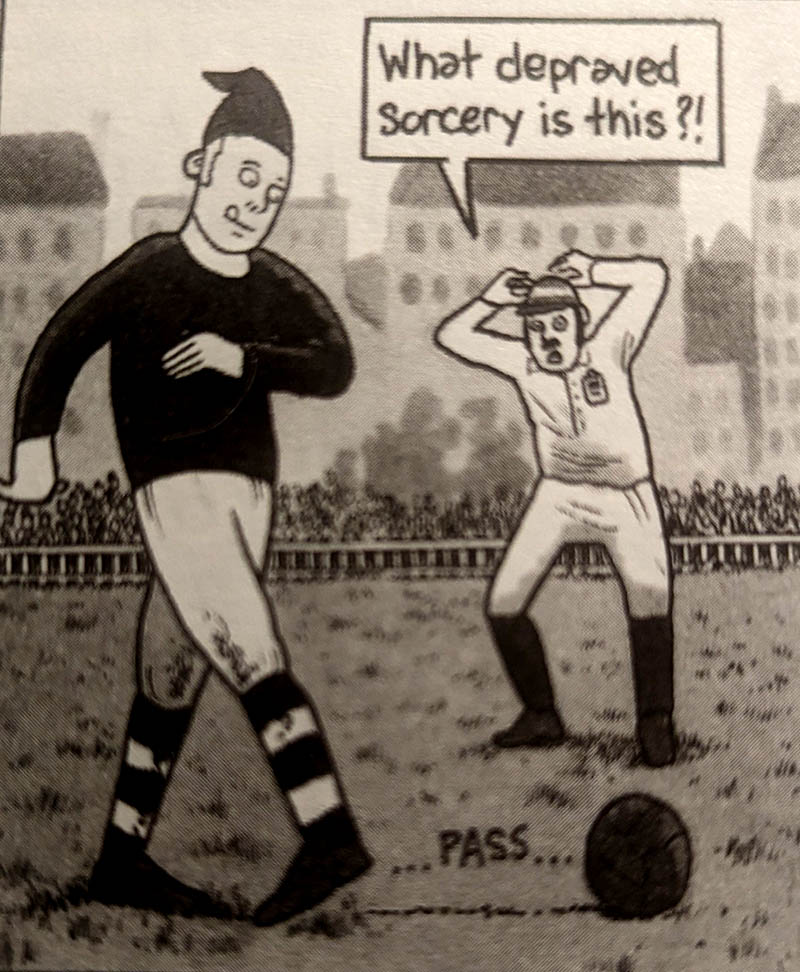
A Sheffield team, most probably Sheffield Norfolk, introduced scientific football in the 1864/65 season. The Sheffield team were described in a report as playing ‘scientifically’ and ‘kicking the ball to each other’ to get round their opponents.
This was two years before the first modern Scottish team, Queen’s Park, were formed in Glasgow, who pioneered the pyramid and triangle passing system we know today.
One English player who was a key part of football’s early tactical development was Jack Hunter who played for Heeley FC in the 1870s. Before the short-passing game became dominant, Hunter and his contemporaries were already rethinking how space could be used.
At Heeley, a more expansive and deliberate style emerged, one that spread play across the full width of the pitch, a bit like cricket, with calculated placement and positioning rather than constant running.
Hunter then moved to Blackburn where he became a player and coach of Blackburn Olympic, a team made of tradesmen. When they won the FA Cup in 1883 – the first working class team to do so – it was using the Sheffield style of long balls to the wing and precise crosses to the centre. On that team was George Wilson from Swinton who played in every game and scored in the first five rounds of the competition.
Some decades later, as workers, engineers and families left Britain for America during the industrial age, they carried that ‘scientific’ passing game of football with them.
And few stories capture that transatlantic journey better than the Pilgrims.
In 1905 and again in 1909, a touring side known as the Pilgrims went on high-profile tours of America and Canada to try and revive the sport in the States.
Soccer had fallen by the wayside in favour of American football some fifty years after it was first established.
Boston’s Oneidias FC had been the first American team to play a rugby/football variant in 1862, with a team made of prep-school graduates. The first English Association rules game was in 1866, nine years after the world’s oldest club was formed here in Sheffield.
However, the American Football Association and the National Association Football league both closed in 1898 as American football fever took over. But Americans were also becoming concerned about the violent and dangerous nature of American football which was plagued with fatal injuries back then.
The Pilgrims, made up of amateur players, were brought in to help popularise the ‘carpet football’ game, as the Americans called it.
Behind the scenes was Frederick Milnes, from Wortley, who organised the tours, and on the training ground was Jack Hudson, another son of the city from Brightside.
In cities shaped by industry – places that mirrored South Yorkshire in grit and graft – football found new life. The Pilgrims played 17 games in 1905 in places like Detroit, St Louis, Chicago, Philadelphia and New York to crowds of up to 15,000 spectators.
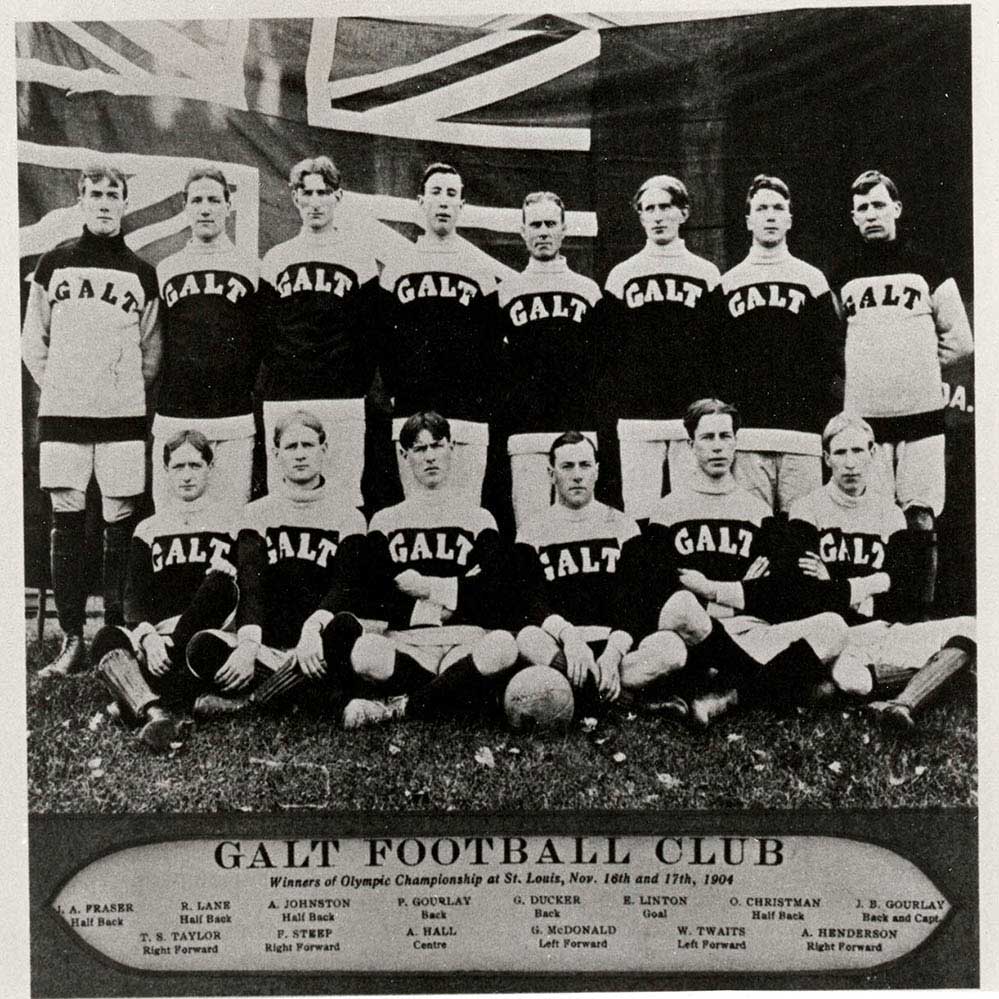
The initial tour was such a success that the AFA reopened the following year and they were invited back for a second tour in 1909. On that trip, they played 21 games in the same states as before as well as Baltimore, Cincinnati, Illinois and New Jersey.
Another son of Sheffield, Nathan ‘Nat’ Agar, also had a significant impact on soccer. Leaving England at just 17 in the early 1900s, Agar built a life in the United States as an accountant and successful businessman. He became a founder member of the United States Football Association in 1913. However, saw how football could bring in big bucks, so he founded a professional team, Brooklyn Wanderers, and entered them into the American Soccer League.
Perhaps most remarkably, Agar helped bring some of the world’s biggest names to American shores, including Real Madrid and the Uruguay national side. These visits exposed American audiences to elite-level football, accelerating the sport’s growth and credibility in a time where it was still emerging.
If Sheffield built the stage, Scotland talent performed most admirably on it. Scottish professors and players dominated the American Soccer League in the 1920s and ‘30s to the point where it was colloquially known as the Scottish Soccer League. The Scots made a huge contribution as both players and coaches to the evolution of the American soccer dream.
Today, the United States is no longer a footballing outsider. Stadiums fill, people take up the sport in huge numbers, and Major League Soccer continues to grow in stature and ambition.
And now, with both England and Scotland stepping onto the world stage this summer, there is a sense of history circling back on itself. Every pass completed on American soil carries, in some small way, the imprint of those early innovators.
It is also a reminder that football’s story is not just written by superstars but by workers, migrants and communities who carried the game with them across oceans and generations.