

For centuries, Cannon Hall in Barnsley has watched the world go by. Visitors have admired it, locals have walked past it and history has settled quietly into its walls, but the family who once called it home has often remained in the background.
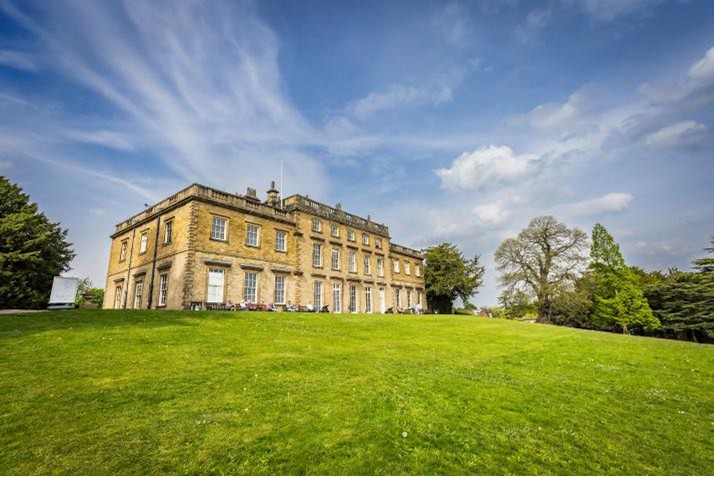
This May, a new exhibition brings them into focus, tracing more than 300 years of the fascinating and creative lives of the Spencer Stanhope family who owned the former stately home.
From artists and politicians to a rumoured British spy, Cannon Hall: A Story of a House and its Family will explore how the different generations of the Spencer Stanhope family left their mark here, shaping not only the building itself but the stories embedded within it.
Many people will associate Cannon Hall with the Pre-Raphaelite artist John Roddam and his brother Sir Walter Spencer Stanhope, but what about the other personalities from this private world of privilege and power?
Welsh hay-rake maker, John Spencer, moved to Cannon Hall in 1658, relocating his family to Yorkshire from the Welsh borders. His descendants became active in the iron and coal industries, building a monopoly from which they funded the rebuilding of Cannon Hall between 1698 and 1710.
Further extensions were done in the late 1700s by the first Walter Spencer Stanhope and wife Mary to make room for their fifteen children. They were a sociable family who regularly entertained Walter’s fellow politicians including the abolitionist, William Wilberforce.
Mary was a fashionable and intelligent woman who campaigned to expand the vote to some women in the early 19th century. Their portraits were painted by the famed artist, John Hoppner, and these will take pride of place in the dining room throughout the exhibition, overlooking the room where the couple entertained many important people.
The exhibition will also showcase historic objects from the Napoleonic wars. During this period, Walter’s son, John Spencer Stanhope was travelling to Greece because of his interest in Classical architecture.
During his travels, he was arrested and handed over to Napoleon’s troops. He was held as a Prisoner of War in Paris but was eventually released by order of Napoleon himself. It has often been rumoured that John was in fact a spy. His passport, signed by Napoleon, will be on display in this fascinating exhibition.
Evelyn De Morgan was an important artist in the Victorian period and was the niece of Sir Walter Spencer Stanhope. Evelyn spent a lot of time at Cannon Hall with her uncle John Roddam who taught Evelyn and her cousins to paint and draw.
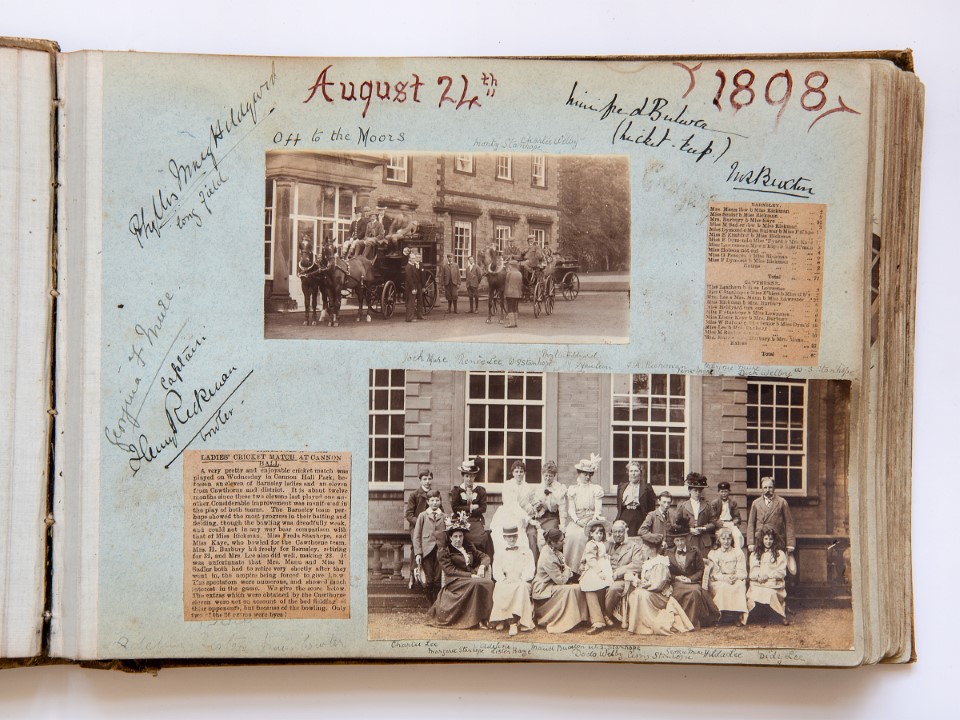
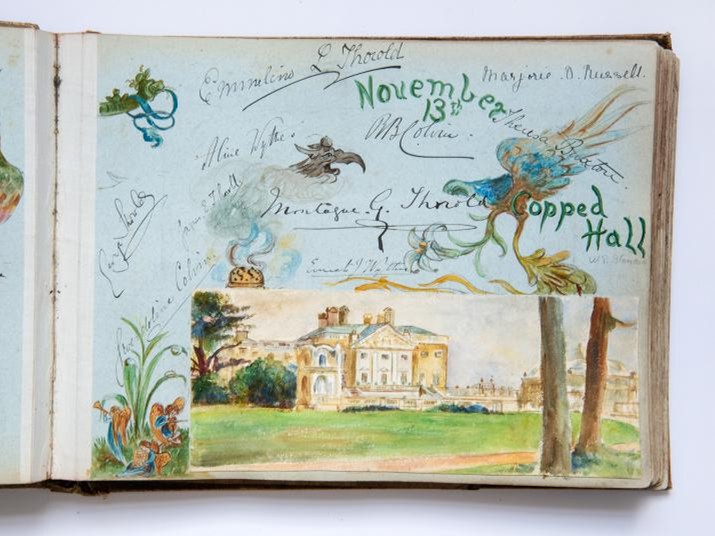
Another of John Roddam’s creative nieces was Winifred Spencer Stanhope who compiled beautiful sketchbooks of photographs, signatures and drawings reflecting family life in the 1890s and 1900s, both at home and their many travels across the country. These have been digitised and will appear on a screen in the exhibition.
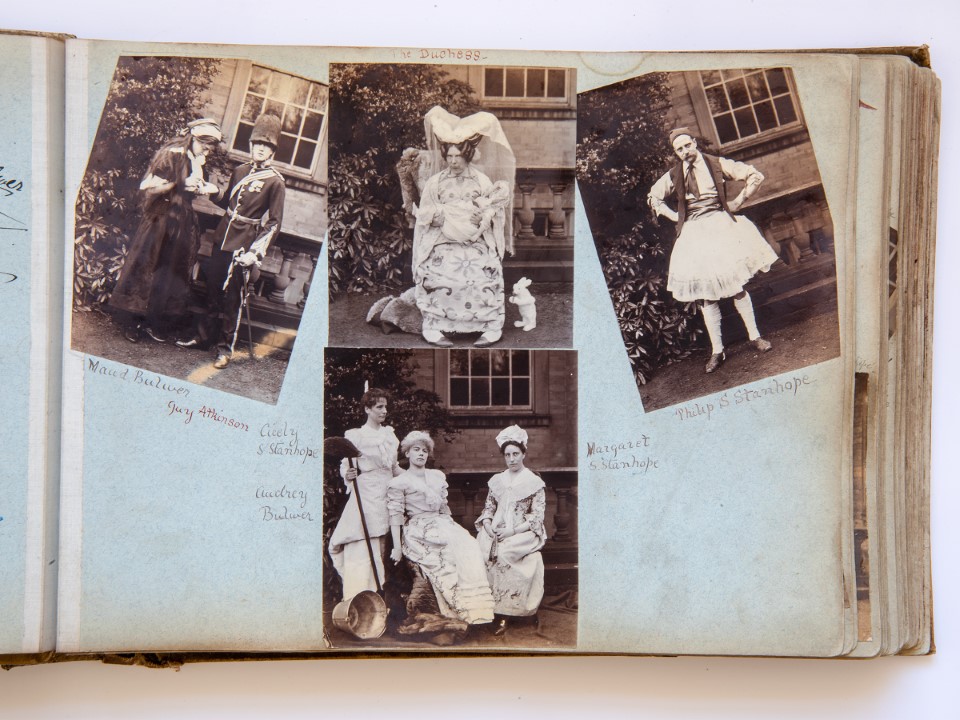
Some of the photographs show the family in fancy dress for parties and theatre shows. There will be the opportunity to dress up and take a ‘selfie’ as though you are part of the family.
Cannon Hall: A Story of a House and its Family is on from Saturday 23rd May to Sunday 20th September. The museum is open Thursday to Sunday, 11am until 4pm during term time and seven days a week in school holidays.Bark House Lane, Cawthorne, Barnsley S75 4AT
Find out more online.