




Many of us will happily compare cholesterol levels, discuss dodgy knees or show off the latest sleep or fitness trackers but one mention of bladder health will leave you looking a bit flushed.
As September is urological diseases awareness month, it’s the perfect time to shine a light on a topic that many people still find difficult to talk about.
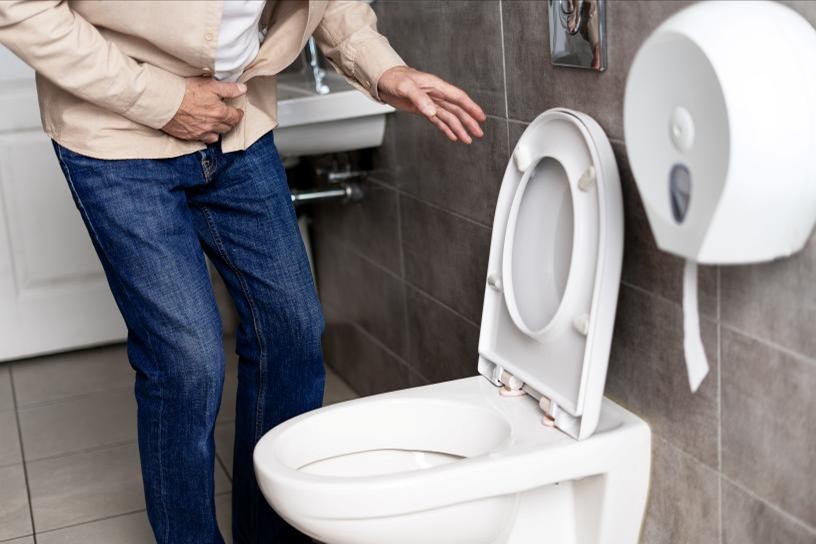
Whether it’s embarrassment or the belief that bladder problems are “just part of getting older”, too many people delay seeking help. But one in two people will experience a urology condition, whether that’s UTIs, incontinence, kidney stones, or a related cancer.
Paying attention to changes in your bladder habits, staying hydrated and seeking medical advice when something doesn’t feel right can improve your quality of life, prevent problems from worsening and, in some cases, lead to the early diagnosis of more serious conditions.
What’s considered normal?
The urinary system helps the body remove waste and excess water via urine.
Everyone’s bladder is different, but most adults pass urine between four and eight times a day. Factors such as how much you drink, your age, medications and even caffeine intake can all affect how often you need the toilet.
It’s normal to notice occasional changes, but if your bladder habits have altered and the symptoms persist, it’s worth speaking to your GP.
Common urinary conditions
Urinary health problems affect both men and women. Many are manageable and can improve with treatment, but some can lead to more serious complications such as kidney injury or sepsis if not treated promptly.
Urinary tract infections (UTIs)
These are the second most common infection after chest infections and can cause pain when passing urine, a frequent urge to go, or cloudy urine. UTIs are usually caused by bacteria entering the urethra and are more common in women. Pharmacists can treat UTIs in women aged between 16 and 64 with prescribed antibiotics as part of the Pharmacy First scheme without seeing a GP.
Urinary incontinence
This is the accidental leaking of urine and is far more common than many people realise, affecting one in five adults. It can be stress (when you cough, sneeze or exercise), urge (intense need before you make it to the toilet), or both. It can be caused by a weak pelvic floor, hormones, medication, nerve damage, UTIs or health conditions. Although it becomes more common with age, it isn’t an inevitable part of getting older and effective treatments are available, such as pelvic floor exercises or bladder training.
An enlarged prostate
This is a benign, non-cancerous growth of the prostate gland more common as men get older. Increasing size puts pressure on the bladder, making it harder to empty the bladder fully, leading to more frequent trips to the toilet, especially at night. The cause is unknown but one theory is an increase in prostate cells due to changing hormones.
Kidney stones
These are hard deposits of minerals and salts that form in the kidney. They affect one in ten people but are more common in men aged 30 to 60. Stones can either stay in the kidney or travel down into the ureter. Large, unmoving stones can cause sudden, severe pain and may require prompt medical attention. They can be caused by dehydration, too much or too little exercise, sodium, sugar and protein intake, or medicines and supplements such as vitamin C, laxatives and antacids.
Signs you shouldn’t ignore
- Blood in your urine, even if it only happens once
- Pain or burning when passing urine
- Needing to urinate much more often than usual
- Sudden, urgent trips to the toilet that are difficult to control
- Difficulty starting or maintaining a flow of urine
- Frequent urinary tract infections (UTIs)
- Persistent pain in your lower back or side.
These symptoms don’t automatically mean something serious is wrong, but they do deserve to be checked by your GP.
If something has changed and it’s worrying you, don’t put it down to age or hope it will simply go away. Feeling embarrassed is understandable, but healthcare professionals deal with these concerns every day. Your GP is there to help and no symptom is too awkward to mention.
Looking after your urinary health
Simple lifestyle choices can help keep your urinary system healthy:
- Drink enough water throughout the day, around six to eight glasses. Limiting fluid intake makes symptoms worse as it reduces bladder capacity and irritates the bladder due to a strong concentration of urine.
- Limit excessive caffeine and alcohol if they irritate your bladder. Some foods can also irritate it such as artificial sweeteners, citrus fruits, tomato-based foods and spicy food
- Stay physically active and maintain a healthy weight
- Don’t smoke, as smoking increases the risk of bladder and kidney cancer
- Don’t ignore the urge to empty your bladder regularly. Try to be relaxed and take your time on the toilet as rushing means the bladder won’t be fully emptied.
- Pelvic floor exercises can help strengthen the muscles that support the bladder, particularly after pregnancy, during menopause, following prostate treatment or as we get older.