



With wildlife photographer and ornithologist, Harriet Day
September & October: When autumn begins to roar
As summer fades and the first golden leaves begin to appear, South Yorkshire’s countryside enters one of its busiest seasons.
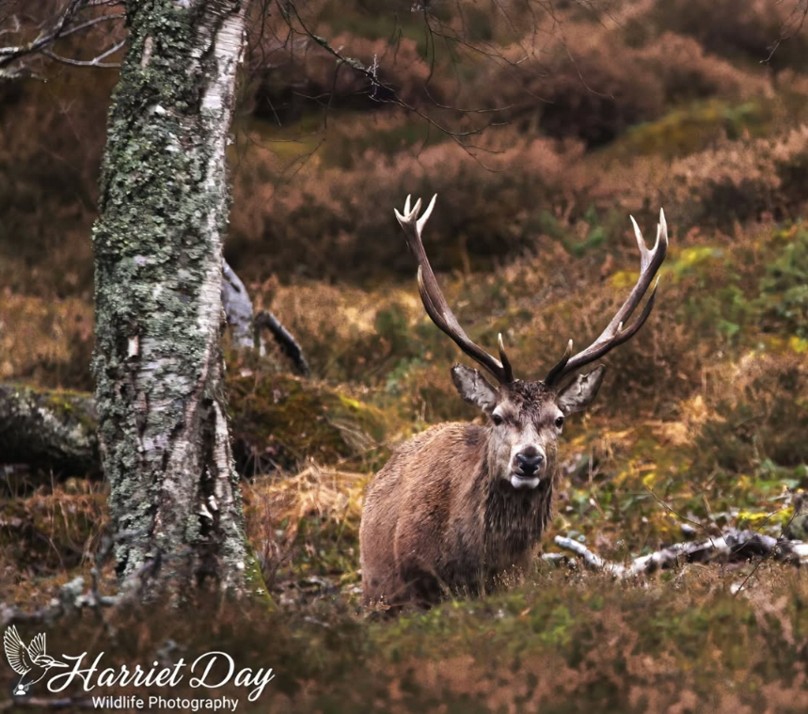
September and October are all about preparation: animals are fuelling up, finding shelter and making the most of the last abundance before winter arrives.
Look and listen closely and there’s plenty to discover.
The deer rut
Few autumn wildlife spectacles are as dramatic as the deer rut. From September to November, red, fallow and sika deer compete for the attention of females following a surge in testosterone.
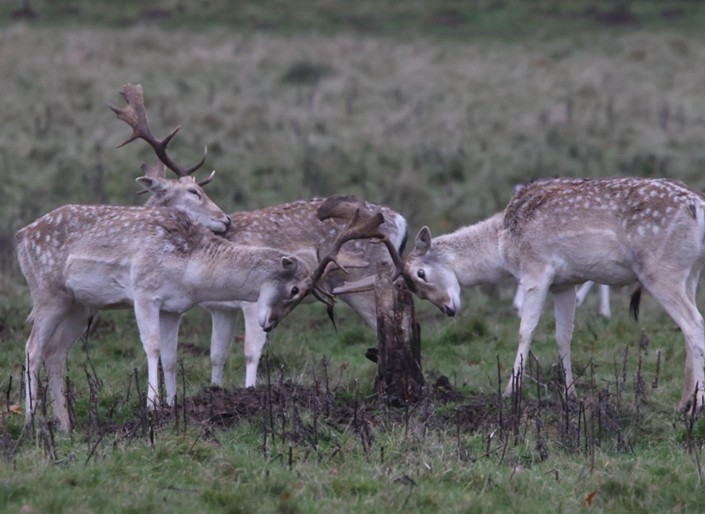
You may see males walking side-by-side as they size each other up, rubbing their antlers against trees to mark their territory or, if neither backs down, locking antlers in a fierce contest of strength. Their deep roars echo across the countryside, so you may hear a stag before you see one.
Top tip: Watch from a safe distance and never approach rutting deer – they can be unpredictable at this time of year.
Butterflies
Warm September days can still bring plenty of butterfly activity for species like Red Admirals, Commas and Small Coppers. Late flowering plants such as ivy and sedum provide an important source of nectar, while fallen and over-ripe fruit like apples and plums offers another tempting energy boost.
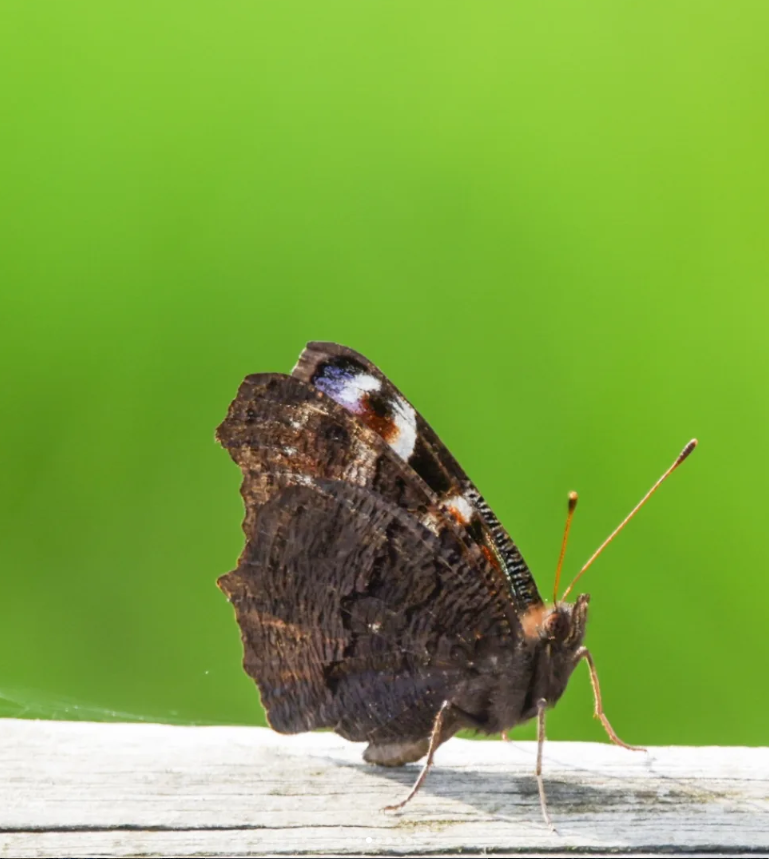
As the temperatures drop, butterflies then seek sheltered places like tree hollows, caves, log piles, sheds, and leaf litter to enter diapause until spring.
Badgers
Autumn is a busy time for badgers as they gorge on nuts, seeds, berries and fallen fruits to build up fat reserves for the colder months.
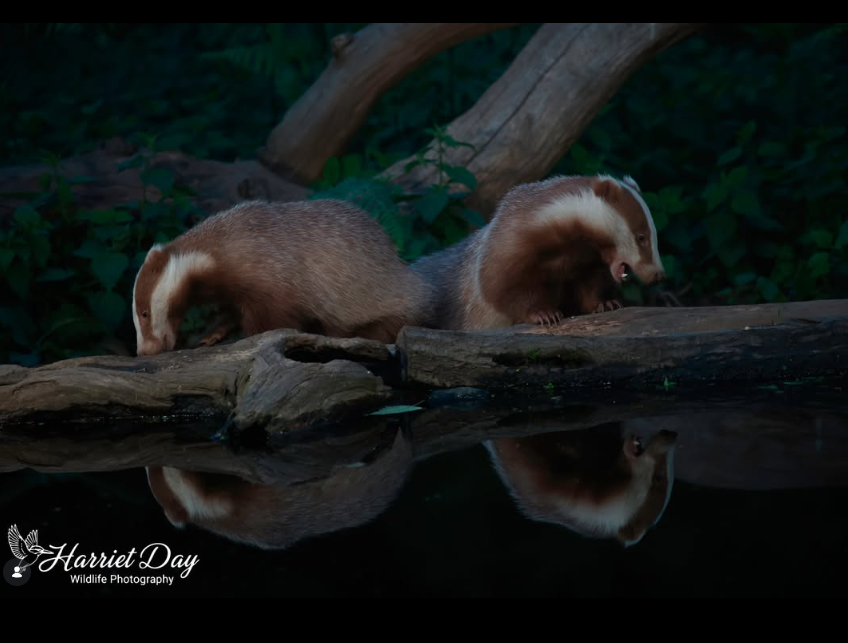
They are also busy preparing their cosy underground homes, carrying dry grass and leaves into their setts to create fresh, comfortable bedding.
Your best chance of seeing one is around dusk, so keep your eyes peeled on quiet evening walks, making sure to watch quietly from a distance.
Bats
On mild autumn evenings, look towards the sky at dusk for bats swooping over gardens, woodland edges and ponds in pursuit of insects. As temperatures fall and food becomes scarce, bats spend increasing periods in energy-saving torpor before winter hibernation.
If outdoor temperatures rise, bats wake to forage. Females delay fertilisation through the cold months, becoming pregnant in spring when insect prey returns.
Hedgehogs
October is a crucial time for our prickly garden visitors as they focus intensely on foraging worms, beetles and other invertebrates, while also building waterproof winter nests from leaves, grass, and moss under sheds or compost heaps.
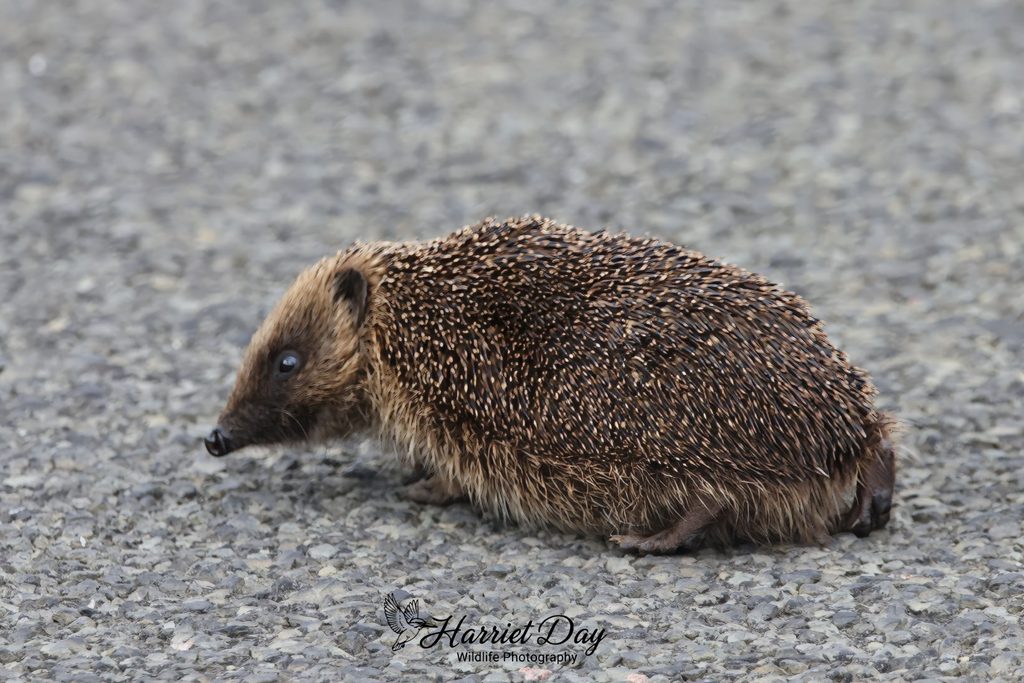
As natural food becomes harder to find, leaving out meaty pet food and a shallow dish of fresh water can make a difference.
And if you spot one out and about on a chilly autumn evening, don’t assume it necessarily needs rescuing – healthy hedgehogs can remain active surprisingly late in the season.
Squirrels
Ever wonder why squirrels frantically dig up garden beds in autumn? They’re storing food for winter.
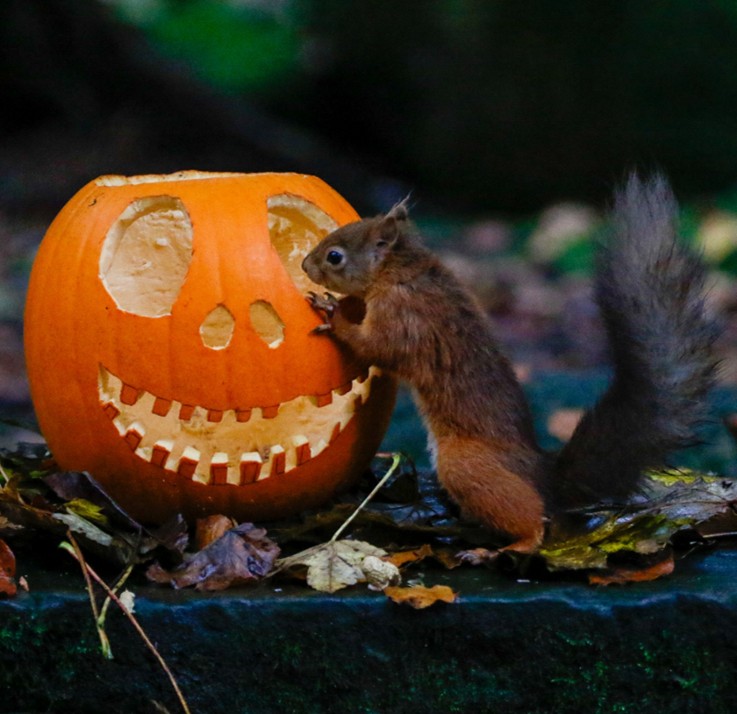
Squirrels don’t hibernate but they do bury nuts, acorns and seeds, relying on scent to find them later—even through snow. Clever squirrels even dig fake holes to trick watching thieves.
In October, they shed summer fur for dense, thick coats to brave the cold.
Fungi season
Cool, damp autumn weather brings fungi to life, with mushrooms appearing across woodland floors, grassland and fallen timber.
Fungi are not plants – they belong to their own kingdom and play a vital role in breaking down dead material and recycling nutrients back into the ecosystem.
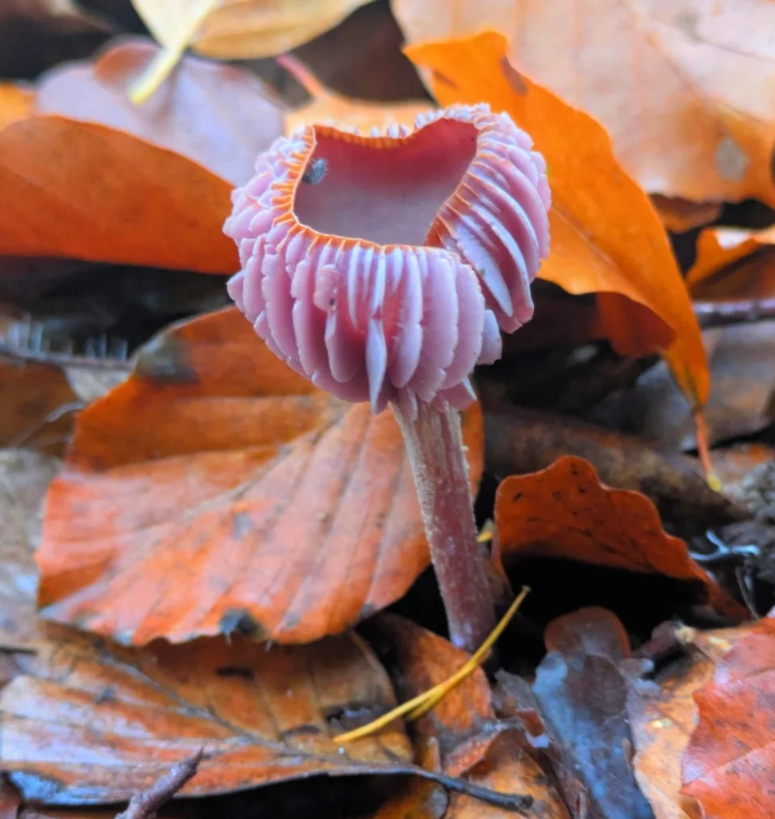
Look near birch or pine trees for Fly Agaric with its iconic red-and-white cap, colourful fan-shaped Turkey Tail on dead wood, rubbery Jelly Ear on elder, delicate white-tipped Candlesnuff on stumps, and impressive Giant Puffball spheres in fields and meadows.
Remember: some fungi are poisonous, so admire and photograph rather than pick unless you are certain of the species.
Three South Yorkshire nature spots to explore
King’s Wood (Laughton-en-le-Morthen): Peaceful woodland trails, rich birdlife, and scenic historic links.
Hoober Stand (Wentworth Estate): Woodland walks, fungi and the chance of late butterflies on sunny days.
Wentworth Parkland: Free-roaming Red & Fallow deer during the rut; watch for badgers and hedgehogs at dusk.
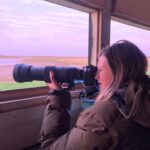
Harriet Day is a wildlife photographer and ornithologist. She will be at Penistone Show on Saturday 12th September with her work on display. Or follow her on Instagram