
For most of his life, Barnsley man Richard ‘Adam’ Shaw saw stomach cancer as a tragic pattern in his family history.
Three of his father’s siblings died from the disease within 13 years, the youngest being just 38. Although each loss raised questions, there were no clear answers as to why stomach cancer kept striking his family.
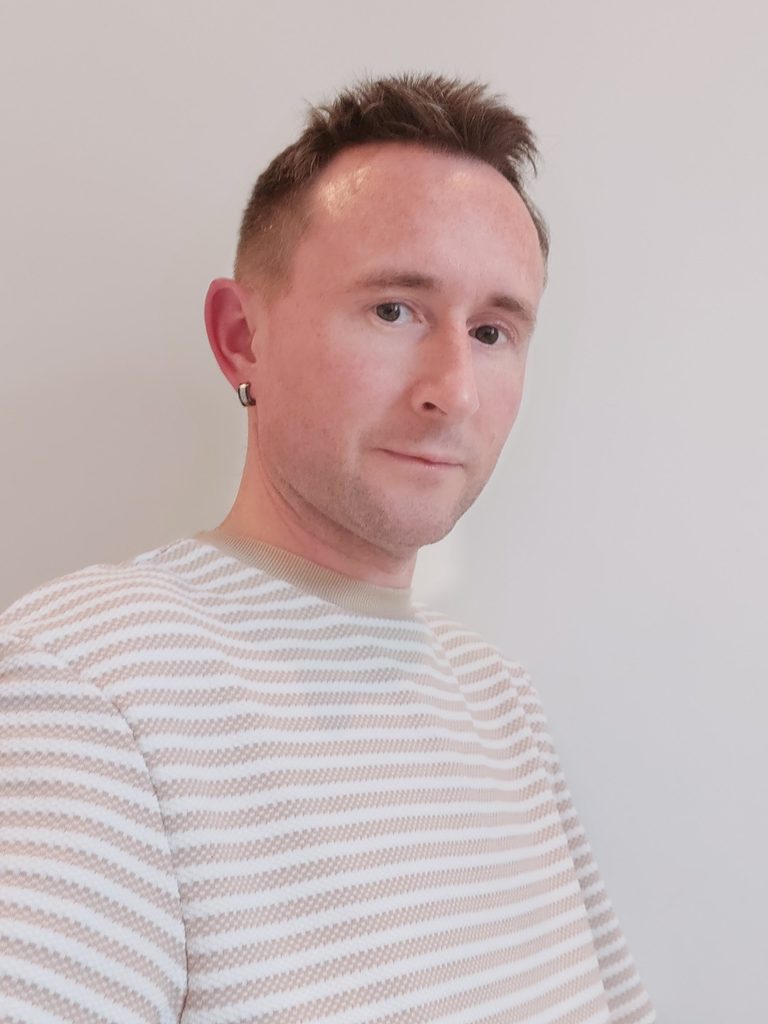
In 2017, aged 33 and with no symptoms or reason to suspect anything was wrong, Adam underwent genetic testing alongside several relatives including his father.
Doctors discovered Adam, his father and two of his cousins had inherited a mutation in the CDH1 gene. This rare genetic alteration is linked to hereditary diffuse gastric cancer, an aggressive form of stomach cancer that can develop undetected until it has reached an advanced stage.
Rather than forming a distinct tumour that can be easily identified on scans, cancer cells often develop within the stomach lining itself, remaining hidden from conventional imaging and endoscopic examinations.
The diagnosis did not automatically mean they had cancer, but they did have a significantly increased risk of developing it, especially at a younger age.
“Doctors advised me to have my stomach removed as a precaution to reduce the risk of developing cancer, but I was initially hesitant because of my age,” says Adam.
Faced with a life-altering decision, Adam and his mum did some research and came across a professor in Cambridge who was doing a study on CDH1. She agreed to see Adam where she undertook specialist surveillance including biopsies of his stomach lining.
Although he had no symptoms and felt perfectly healthy, the results revealed Adam already had evidence of signet ring cell gastric adenocarcinomas within his stomach lining.
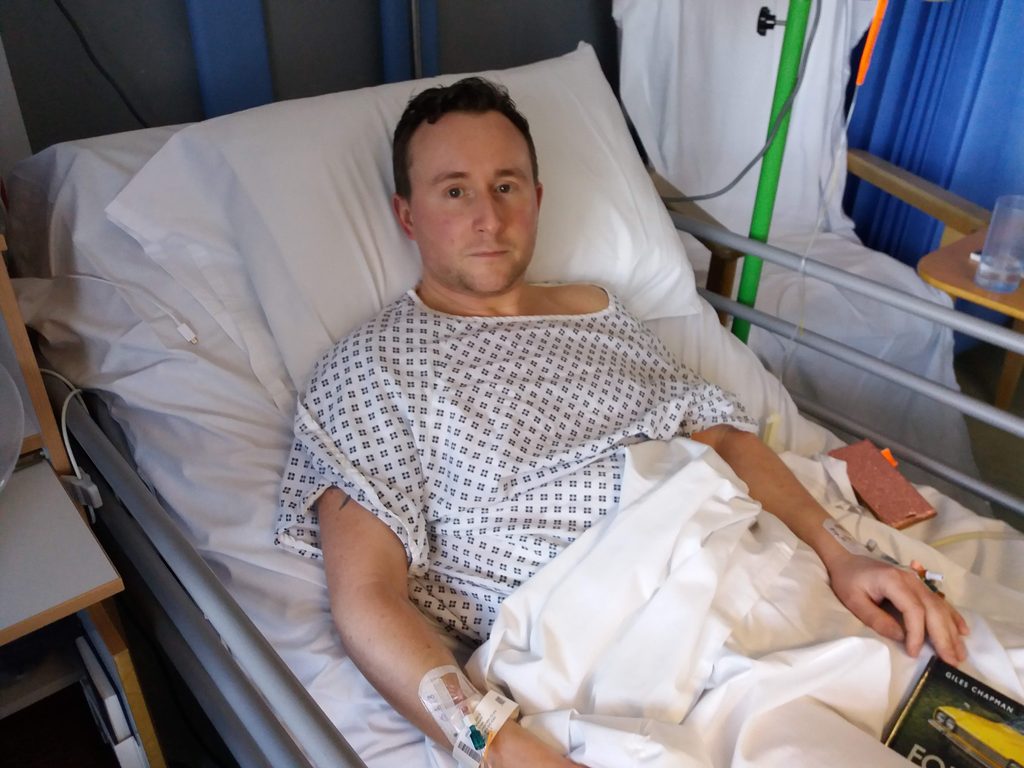
“They told me I’d have around two to three years to live unless I had the total gastrectomy to remove my stomach. I had the surgery in February 2018.
“It wasn’t an easy decision, but I wanted to give myself the best chance of a future. After they removed my stomach, they found 52 areas of cancer so it was a good job I did. Fortunately, it was contained to the stomach and hadn’t spread elsewhere.”
You might be wondering what life is like without a stomach and what happens to a person’s diet?
Following a total gastrectomy, the oesophagus is connected directly to the small intestine, allowing food to continue through the digestive system. However, without a stomach to store and gradually release food, eating becomes a carefully managed part of everyday life.
“It’s like an extensive gastric band,” says Adam. “I can only eat little and often and I never feel hungry which is a weird sensation. I used to have a very sweet tooth but since the operation I’ve gone more savoury.”
Initially, his recovery was relatively positive. Although he experienced episodes of dumping syndrome – a common side effect of stomach removal that can cause nausea, dizziness, sweating, abdominal discomfort and diarrhoea after eating – the symptoms were manageable.
However, the surgery that saved his life was followed by an ordeal that nearly cost it.
Two years ago, Adam suffered a rare complication when part of his bowel became strangulated. He had 13 feet of colon removed and was in a coma for some time.
Despite this, Adam knows he made the right decision. His dad and two cousins who also carry the CDH1 mutation all had precautionary gastrectomies without complications.
Now 42, Adam is sharing his story to raise awareness of CDH1 and encourage people with a family history of stomach cancer to seek advice about genetic testing and specialist screening.
“We often think cancer always comes with symptoms, but that’s not always true. I felt healthy. I was carrying on with life as normal. Yet cancer was already there.
“If my story encourages somebody to get tested, ask questions or understand their risk, then something positive can come from everything that’s happened.”
The gene mutation itself wasn’t discovered until 1998 when numerous cases of stomach cancer were noted in the New Zealand Maori tribe.
Stomach cancer is relatively uncommon in the UK with around 6,500 diagnoses every year. Between one and three percent of those cases are caused by an inherited syndrome like CDH1.
Up to seventy percent of men and sixty percent of women with CDH1 will develop stomach cancer. Women are also more likely to develop lobular breast cancer so yearly MRI scans and mammograms are advised from age 30.
“This condition may be rare, but for the families affected by it, the consequences are enormous. The more people know about it, the more lives could potentially be saved.”