
For generations, Rotherham’s identity was forged in coal mines, steelworks and heavy industry.
Those industries shaped communities, created skilled jobs and built the town’s reputation around the world. But as those industries declined, so too did many of the career opportunities that once seemed guaranteed.
Today, however, a different kind of industrial revolution is taking place – one built not on coal and steel, but on artificial intelligence, robotics, cyber security, advanced manufacturing and digital engineering.
It may not look like the factories of the past, but it could prove just as significant for the town’s future.
That future has taken another step forward with the announcement that RNN Group has been selected as one of just five education providers across England to become a Defence Technical Excellence College (DTEC).
While the title might suggest military training, the reality is something much closer to home.
“It’s not about training people for the front line,” explains Daniel Stanbra, RNN Group’s vice principal for adult education, commercial and partnership strategy. “It’s about developing the skills and technologies that support both defence and civilian industries.”
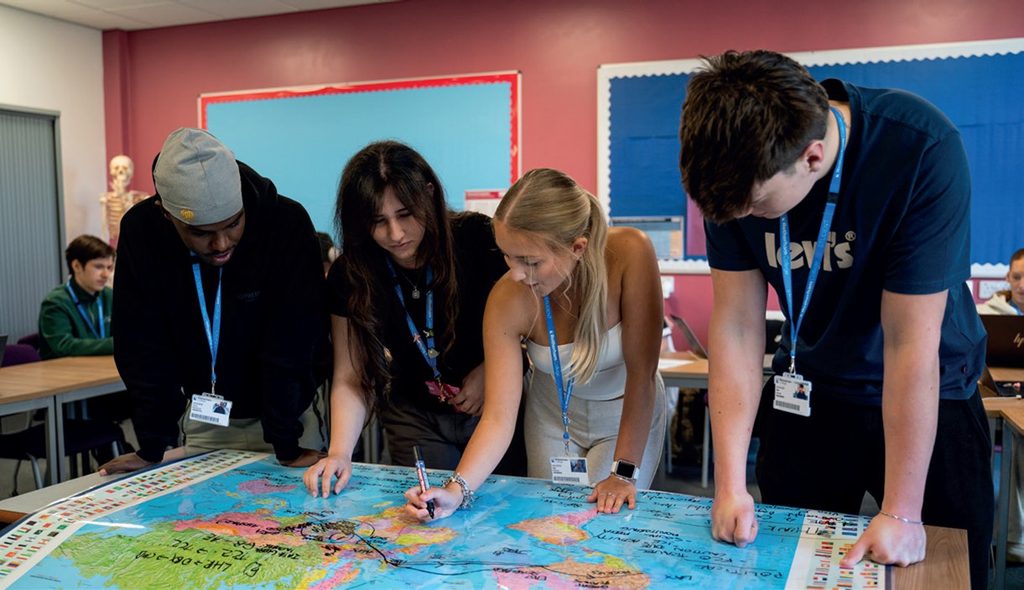
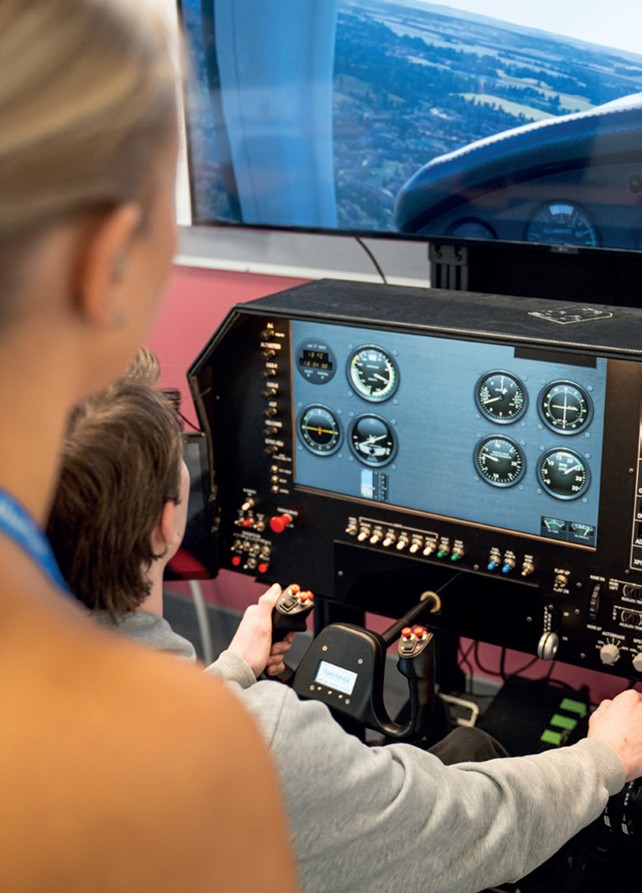
Those technologies include cyber security, AI, drone technology, advanced engineering, fabrication, robotics and digital manufacturing – sectors already growing rapidly across South Yorkshire.
In fact, South Yorkshire wasn’t chosen because of military bases or historic defence links. Instead, the government recognised the region’s strengths in advanced manufacturing, engineering innovation and emerging technologies, making it one of five priority areas for investment in the UK’s future skills pipeline.
The programme brings with it £10 million in funding over the next few years. For Daniel, who was born and raised in Rotherham, the announcement is about much more than a new government programme.
“This investment isn’t just for the college. It’s for the whole region.”
That regional approach has been central to the bid from the beginning. Working alongside other colleges, universities, employers and South Yorkshire Mayoral Combined Authority, RNN Group successfully led the application by demonstrating the area’s expertise in advanced manufacturing and digital technologies.
As technology evolves faster than ever, traditional qualifications can quickly become outdated. But rather than creating courses in isolation, the college’s approach has been to ask employers what they actually need.
“Retraining is a big barrier. Trying to release people from the shop floor is just not viable for many employers. They don’t want long courses, they want short, bite-size training.”
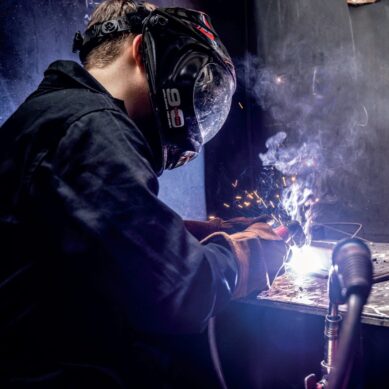
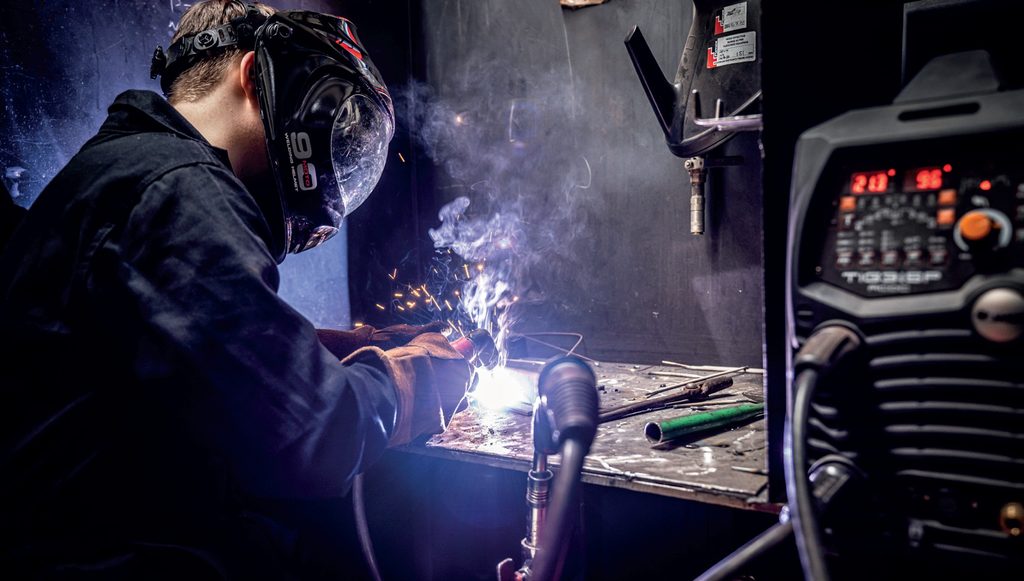
Instead, the new programme aims to develop shorter, flexible accredited training, particularly at levels four to six, that allows both young people and experienced workers to gain the skills employers need now – whether that’s programming industrial robots, analysing cyber threats, operating drones or mastering advanced welding techniques.
That’s especially important at a time when many manufacturing businesses face an ageing workforce. Experienced welders, machinists and engineers are approaching retirement, while new technologies continue to reshape industries faster than traditional education can keep pace.
By responding directly to employers’ needs, RNN Group hopes to help solve those skills shortages while opening new career pathways for school leavers, apprentices, adult learners and those looking to retrain.
And the opportunities are growing.
Many people still picture engineering as dirty overalls and noisy factory floors. In reality, today’s manufacturing environments are increasingly automated, clean and technology driven. Modern engineers might spend as much time programming machines or analysing data as they do using tools.
Some of the careers emerging through these sectors include robotics engineers, cyber security specialists, CAD designers, drone pilots, AI analysts and advanced manufacturing technicians.

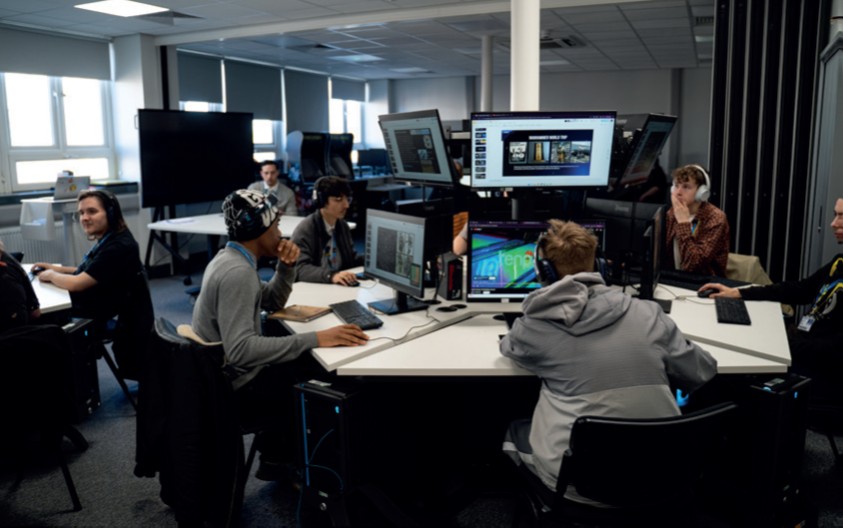
Even esports – something many people would never associate with engineering – has a role to play. Skills such as decision-making, teamwork, simulation and situational awareness are increasingly valued in industries where technology and rapid problem-solving are essential.
It’s a world that would have seemed unimaginable when Rotherham’s blast furnaces dominated the skyline.
For local people, these are highly skilled careers with real earning potential and, crucially, they can be built here in South Yorkshire.
“If somebody qualifies in welding, they can generally complete the training in under a year. They can go from being unemployed to working on a shop floor earning £50,000 a year,” says Daniel.
The DTEC programme, which is launching this academic year, will also bring investment into specialist facilities across the college group.
Plans include enhanced engineering and fabrication facilities at Rotherham College, expanded drone technology provision at Dearne Valley College, and a new Defence Engagement Hub at University Centre Rotherham showcasing the technologies shaping the future of industry.
But Daniel is keen to stress that this isn’t simply an investment in one college. The RNN Group is part of the South Yorkshire Colleges Partnership, so there are plans for satellite DTEC hubs at Barnsley College, The Sheffield College and DN College Group.
Working alongside employers, universities, local authorities and education providers across South Yorkshire, the ambition is to strengthen the skills pipeline for industries that are already expanding.
Perhaps most importantly, this is a story about changing perceptions.
For too long, many people have believed the best careers exist somewhere else. But South Yorkshire is increasingly becoming a centre for advanced manufacturing, clean technologies, aerospace, digital innovation and engineering excellence.
Companies are investing, new industries are emerging, and employers are looking for skilled local people to fill highly paid technical roles.
The industries may have changed, but the town’s reputation for making things, solving problems and developing skilled people remains as strong as ever. Rotherham’s first industrial revolution helped build Britain’s past. Its next one could help shape Britain’s future.