

With Harriet Day, licensed bird ringer and ornithologist
When most people think of an industrial estate, wildlife is probably the last thing that comes to mind. But tucked away among the factories on Aldwarke Road is one of Rotherham’s most remarkable summer visitors – the sand martin.
At 3am one morning at the end of May, I found myself at Minteq, a refractory of ceramic products just past the railway bridge, waiting for sand martins to begin swooping through the half-light.
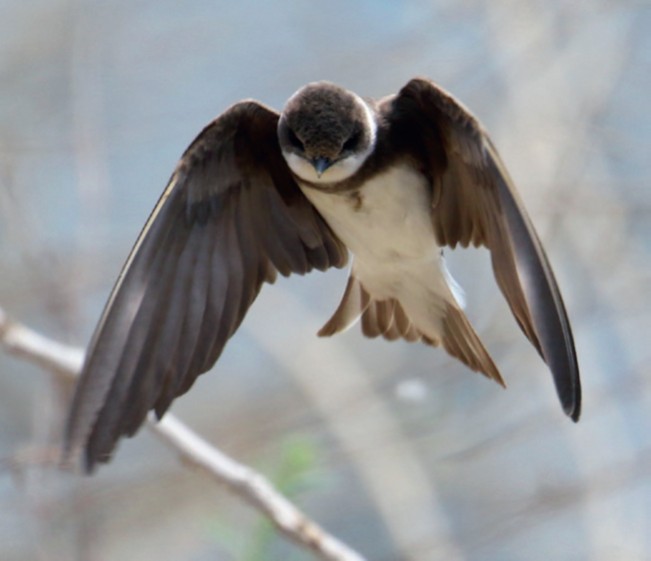
A colony of sand martins has nested in the factory’s natural rock walls, having relocated due to the construction of the nearby Parkgate Link Road.
Weighing little more than a dozen grams – about the same as two teaspoons of sugar – these tiny birds complete an astonishing 5,000-mile journey from sub-Saharan Africa every spring to raise their young here in South Yorkshire.
This year, alongside fellow licensed bird ringers from the Sorby Breck Ringing Group, I visited the colony to ring and record the birds as part of a long-term scientific study.
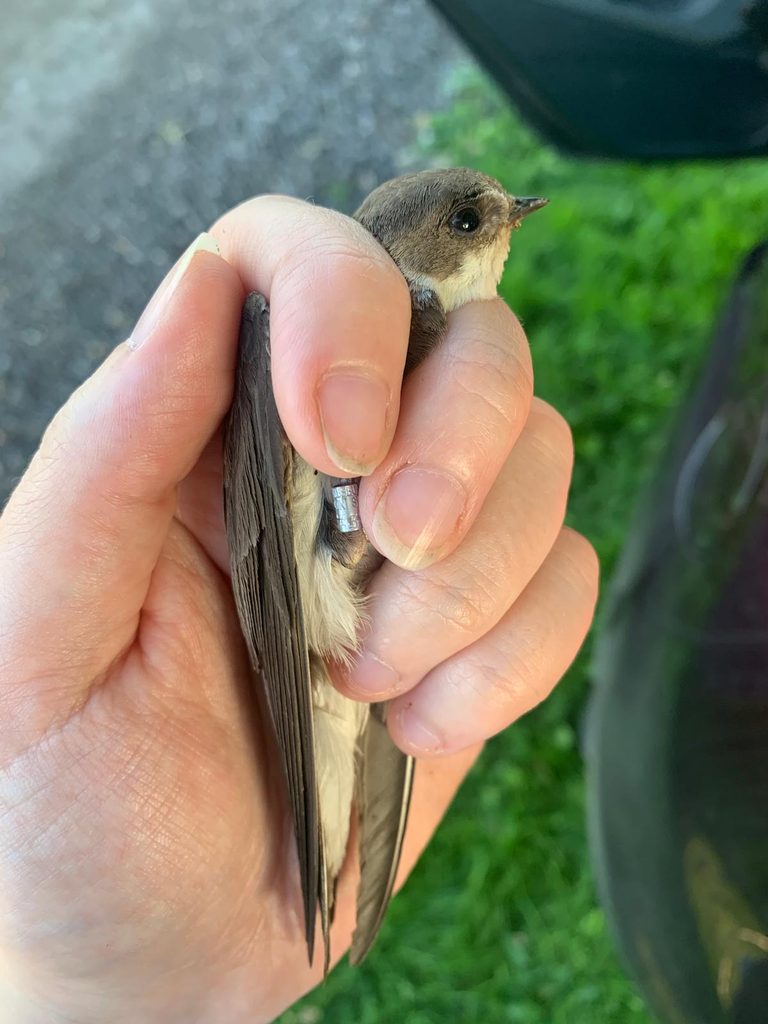
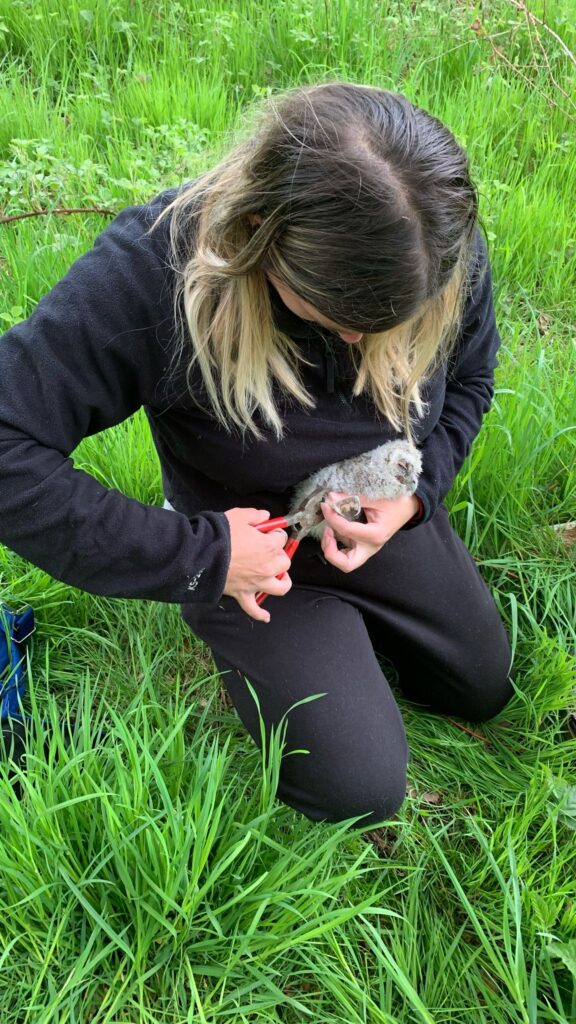
Bird ringing is carried out under strict licence and every bird is carefully measured, examined and released unharmed. The information we collect helps us understand where birds come from, how long they live, how successful they are at breeding and how populations change over time.
Setting up a 60-metre mist net, we caught and ringed 11 adult sand martins. Although they all looked remarkably similar, their measurements told a fascinating story. Most had wing lengths associated with breeding populations stretching across Sweden and eastern Iran, while others matched measurements linked with Finland.
So why have sand martins chosen an industrial site instead of the sandy riverbanks they usually favour?
The answer lies in Rotherham’s changing landscape.
Before the Parkgate Link Road was built, the area around Aldwarke contained quarry-like sandy banks that provided ideal nesting sites. Sand martins normally excavate burrows, digging horizontal tunnels up to a metre long before creating a small nesting chamber lined with grass and feathers.
For generations they have relied on these natural habitats, but like many species they have had to adapt as landscapes have changed. As those habitats at Aldwarke disappeared, the birds found an alternative in the natural rock face at Minteq.
Each tunnel is dug with the birds’ tiny claws over a period of around two weeks. Males begin excavating the nesting burrows before pairing with a female to complete the tunnel together.
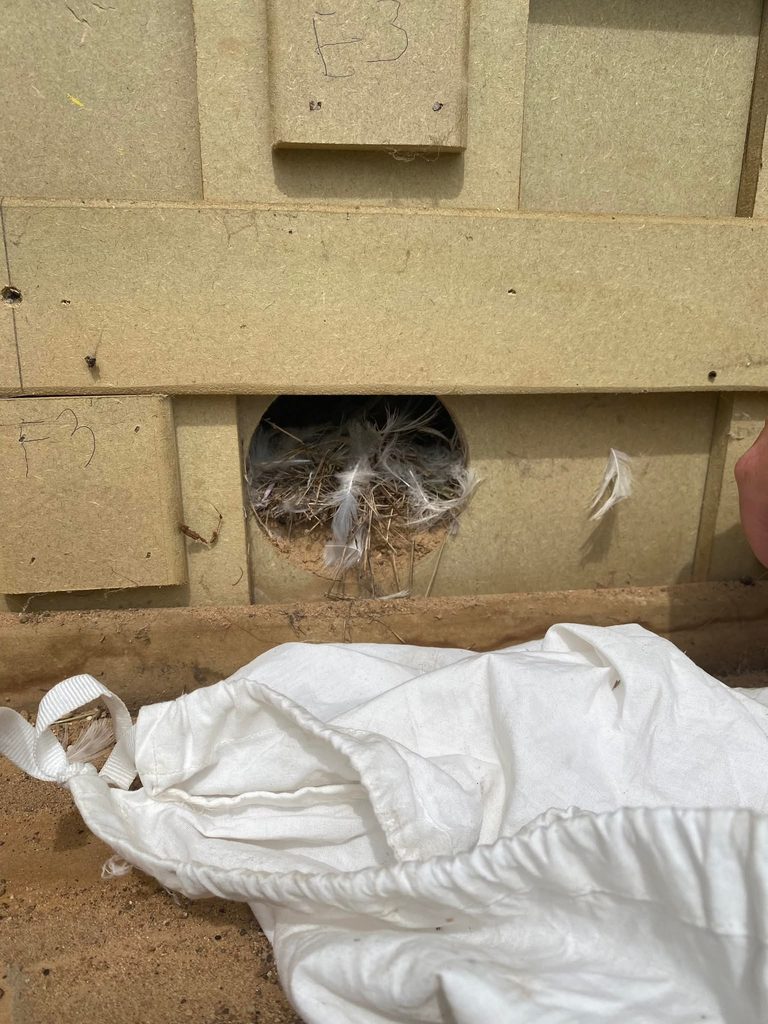
Most pairs will raise two broods during the breeding season and, in a successful year, up to ten youngsters from each nest will make their first incredible journey back to Africa alongside their parents.
Their annual migration is one of nature’s great endurance tests. These birds, weighing barely more than a £1 coin, arrive in Britain each spring after crossing continents and deserts, guided by instinct, the sun and the Earth’s magnetic field. At the end of summer, they gather in flocks before tackling the Sahara Desert on their return journey south.
Ringing allows us to follow these remarkable lives in ways that simple observation never could.
One of the most rewarding moments came during work at Hooton Lodge near Kilnhurst in 2023, when we caught a sand martin already carrying a ring. It had first been ringed as a chick at an artificial nesting bank in Lincolnshire almost four years earlier before turning up in South Yorkshire as a breeding adult.
Records like this show that young sand martins do not always return to where they hatched and help us build a clearer picture of how colonies develop and spread.
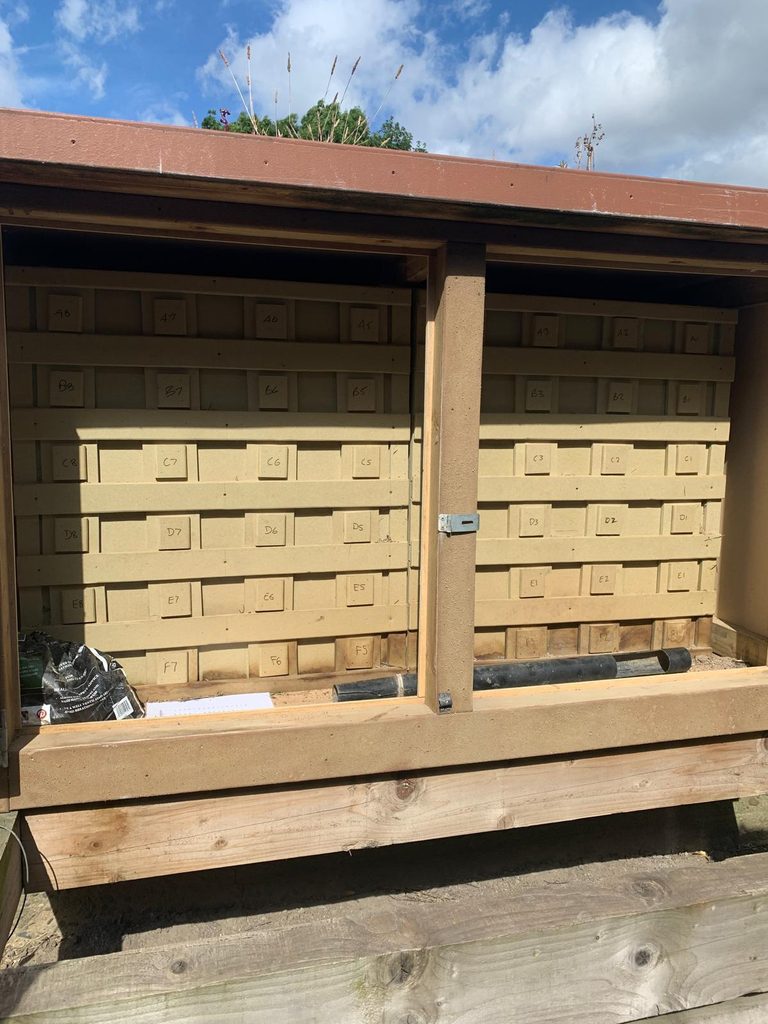
The work taking place in Rotherham also contributes to a much wider conservation effort. Artificial sand martin nesting banks have already proved successful at Gripple, Kelham Island and Forge Island, replacing habitat lost to flooding and development. While new research at Manchester Metropolitan University is investigating whether pollution and declining insect populations could affect the birds’ future breeding success.
For me, the colony at Aldwarke is proof that conservation is not just something that happens on remote nature reserves. Sometimes it happens on an industrial estate, where a small colony of determined birds has found a way to thrive despite the changing landscape around it.
Every bird we ring helps us understand that story a little better and, we hope, ensure that these remarkable migrants continue returning to Rotherham for many years to come.
With thanks to Minteq manager Thomas Lee for access to the site, Adam Liversidge at the Station Pub Hotel for use of the car park, and local volunteers Leah Smith and Wayne Glossop for their invaluable help monitoring the colony.