
Every life has its own excavation. Some discoveries are made beneath desert sands; others begin much closer to home.
For Professor Joann Fletcher, the foundations of an extraordinary career were laid not on the banks of the Nile, but in an ordinary Barnsley childhood. Long before she would step inside royal tombs or uncover stories of forgotten queens, there were parents who encouraged curiosity rather than dismissed it.
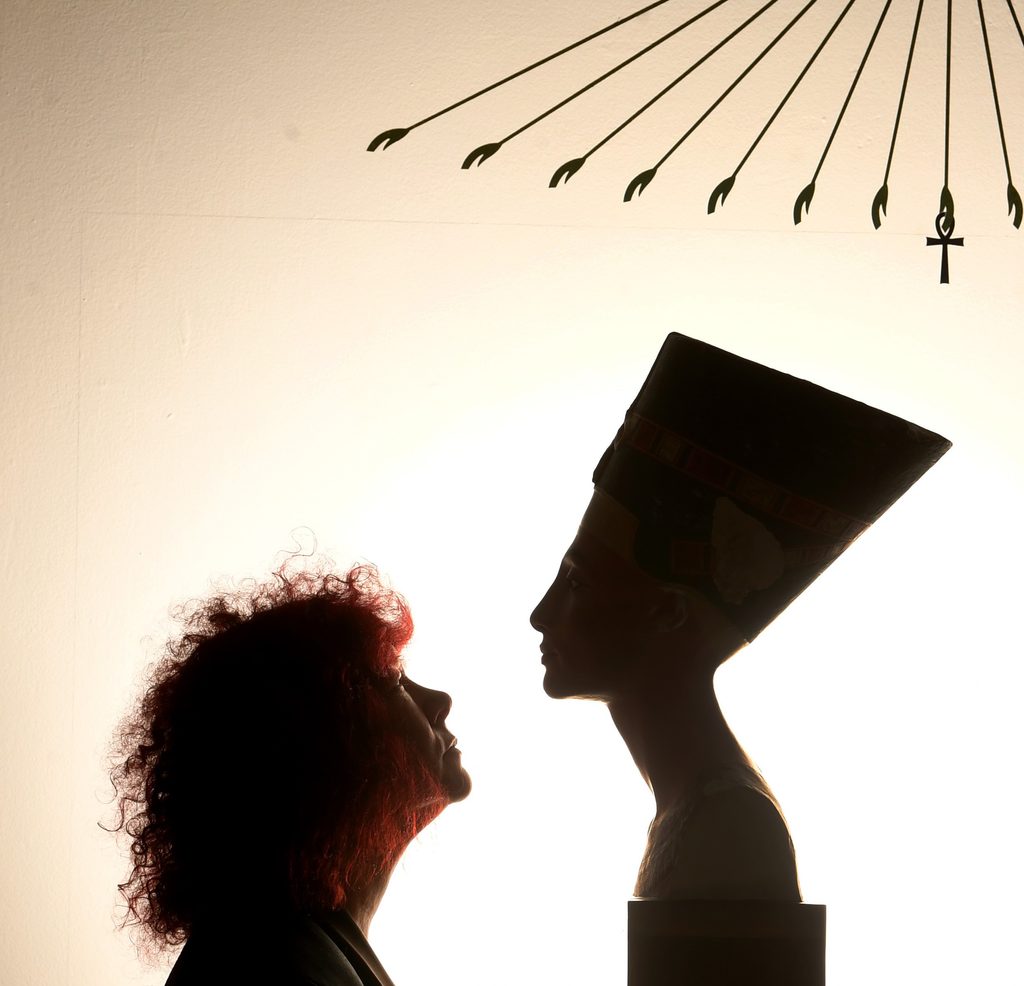
That curiosity found its defining moment watching TV coverage of the Tutankhamun exhibition in 1972. Aged six, she was spellbound seeing footage of his treasures in the British Museum. While over 1.6 million visitors admired the gold of a long-lost king, the little girl from Barnsley saw something altogether different: a future waiting to be unearthed.
Encouraged by her mother, who saw more than a passing childhood fascination, she decided there and then that she would become an Egyptologist.
More than half a century later, that childhood promise has carried her from South Yorkshire to the sun-scorched sands of the Valley of the Kings where she has spent a lifetime peeling back the layers of history, revealing stories buried beneath millennia of dust.
Her work has taken her from Barnsley classrooms to university lecture halls, from television screens to international excavations, where each discovery has added another chapter to one of humanity’s oldest surviving civilisations.
She has travelled the world in search of the people behind the monuments, proving that history is never truly buried, it simply waits for the right person to uncover it.
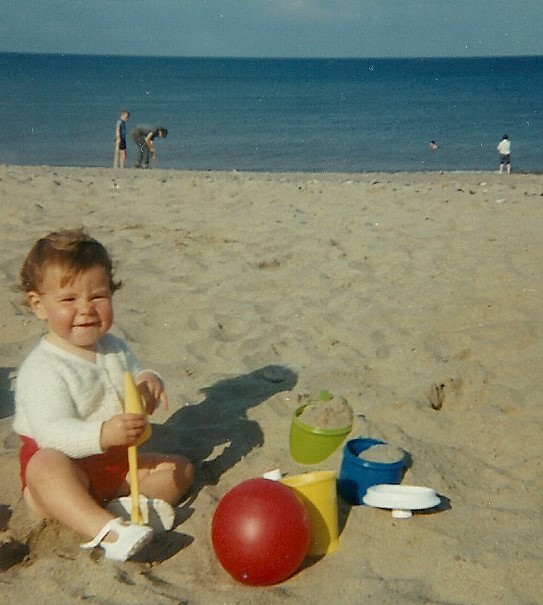
Joann’s interest in the ancient world started when she was just a young girl who loved to read. She grew up in a home where books were readily available, thanks to her parents, but says she was also a permanent resident at Barnsley Library.
It was the striking images in books about the ancient world that made such an impression on her as a small child.
“Ancient Egypt grabs most young kids as their art is so powerful. It’s colourful, graphic, you can see what they’re trying to do, and everyone looks so happy. When you’re little, smiley people in primary colours go a long way. I remember being completely besotted before I could even read, then when I could read I never looked back,” she says.
From such a young age, Joann had her heart set on being an Egyptologist. After a visit to the British Museum, her mum had told her that if she really liked it, and she worked hard enough at school, she could do it as a job. So that was all the encouragement she needed, although she says other people tried to squash her ambitions.
“People would tell me that nobody from Barnsley would become an Egyptologist. I could be a nurse or a teacher, but never that. But I’d just say, ‘Well my mum thinks I can so why can’t I?’”
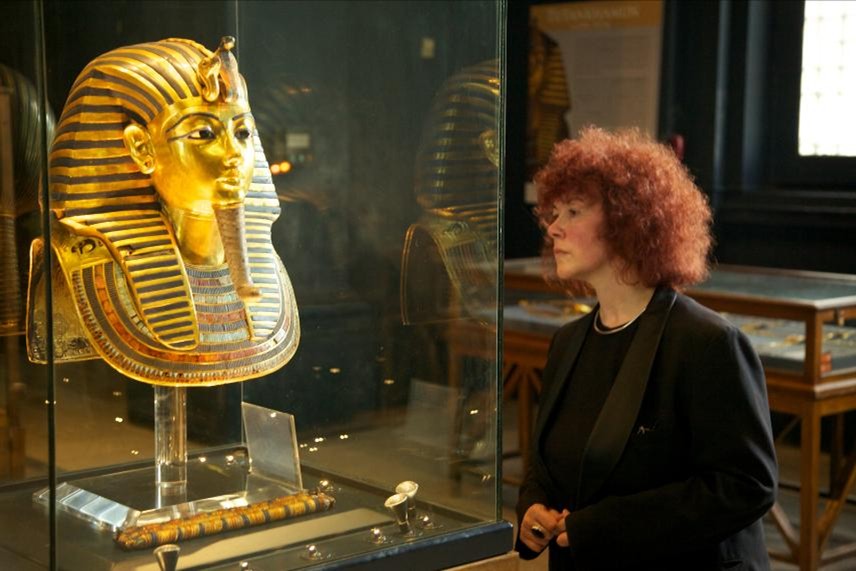
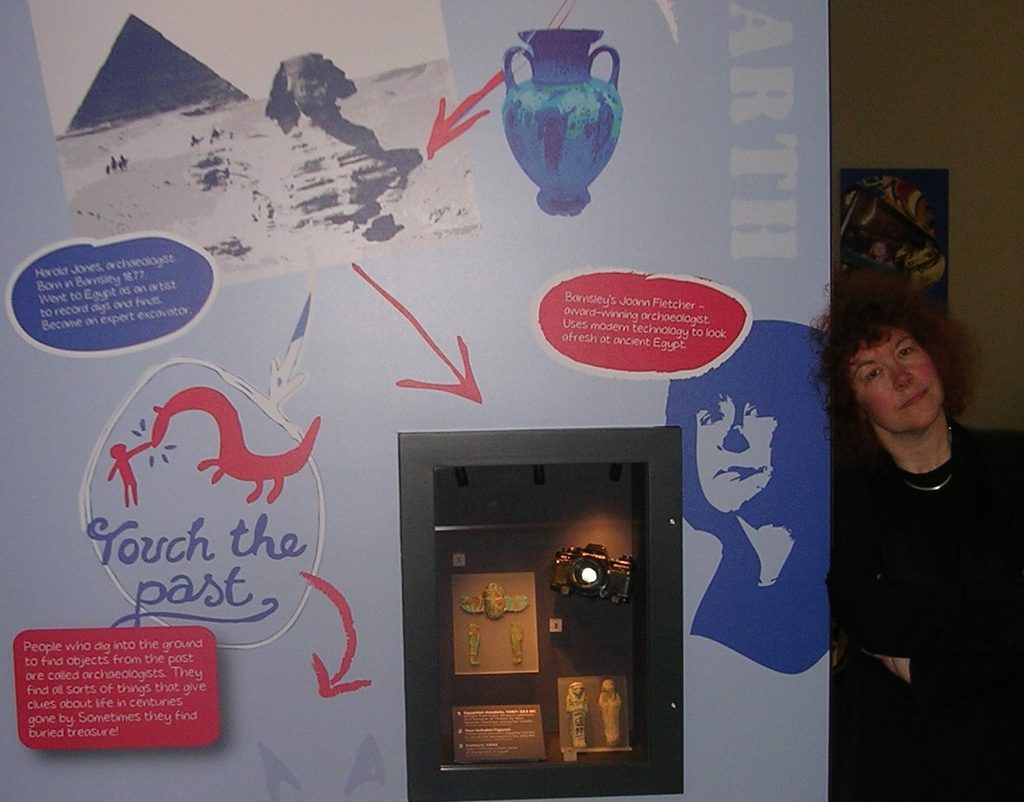
Plus, her doubters were wrong. There had already been an Egyptologist from Barnsley in the form of Harold Jones. He was born on Sackville Street and recognised the name of Tutankhamun in the Valley of the Kings before anyone else.
Thankfully, Joann ignored what others had to say and kept her sights set on a career in academia. She went to Barnsley Girls’ High School on Huddersfield Road and then on to do four A levels and an extra O level in archaeology there when it changed to Barnsley Sixth Form.
“Barnsley was a great place to get a really good education as we had some first-class teachers who encouraged us all.”
A self-described ‘anorak’ in her teenage years, Joann was also part of a short-lived archaeology society that would meet at Barnsley’s beautiful new library on Shambles Street.
Then in the 1980s she said goodbye to Barnsley for a while and moved to the capital to study a degree in ancient history and Egyptology at University College London. She specialised in the Ptolemaic dynasty and Cleopatra, going on to do a PhD in ancient Egyptian hair and wigs at the University of Manchester.
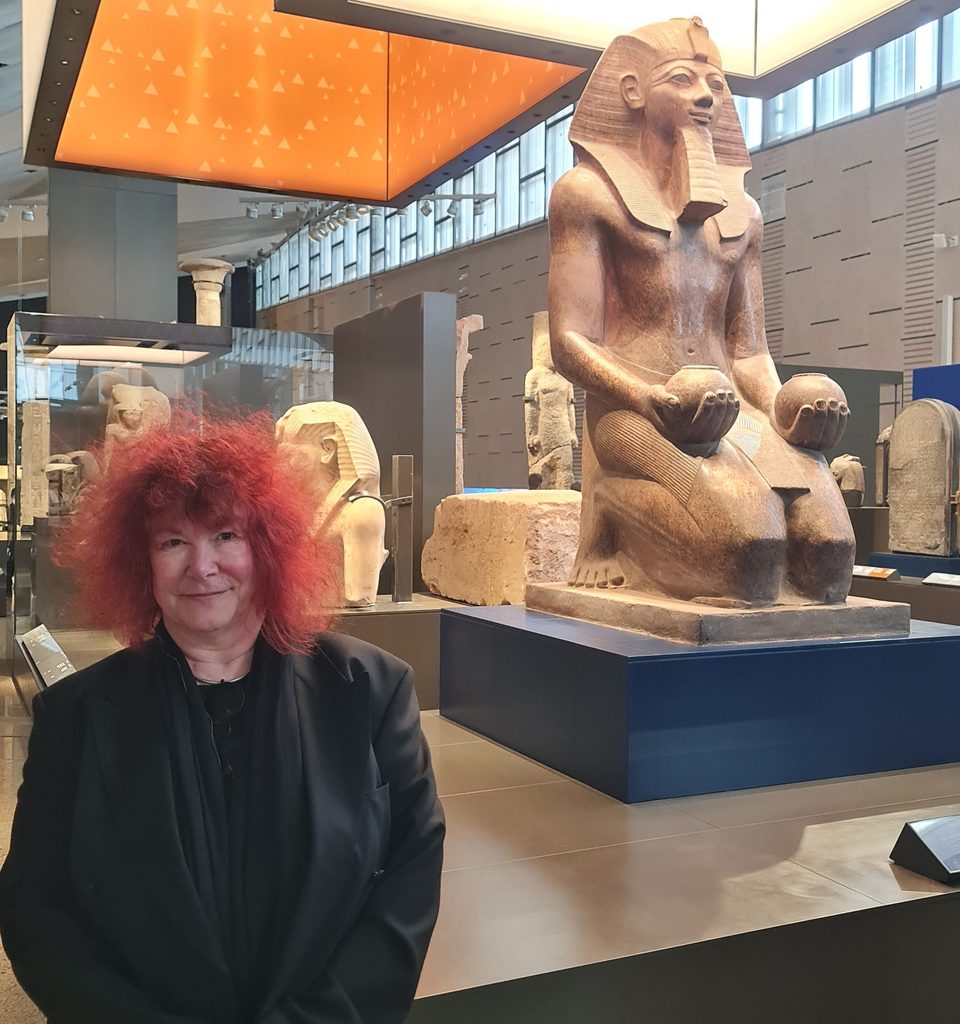
The female story has long been one of her main focuses, brushing away centuries of assumptions to reveal women who had been buried twice: once by time, and again by history.
“The female story means a lot to half the population. Tutankhamun and the pyramids are what everyone always talks about, but ancient Egypt is much richer than that. There are far more stories we should be telling.”
But it wasn’t just ancient queens whose voices had been muted. Early in her own career, Joann found herself navigating an academic world still dominated by older men, where youth, a Yorkshire accent and a refusal to conform could count against her.
Many wanted her to polish away her Yorkshire edges, but she held on to the parts that made her different and relatable – and thankfully the dinosaurs who had those outdated beliefs are no longer dominant.
“I’m old now so they can’t dismiss me as that young northern girl like they used to do,” she jokes. “But I hope young people take from my story not to let any knockbacks like that affect their ambition.
“I never quite got the memo that if you’re an academic you’ve got to be serious. You don’t have to wear a tweed suit or speak a certain way. History belongs to all of us and it’s only right as a democratic society that we should all be contributing.”
If history belongs to everyone, then Joann has made one of Yorkshire’s most remarkable contributions to it. Not only through academic research and archaeological discoveries, but by making the ancient world accessible, relatable and, above all, human.
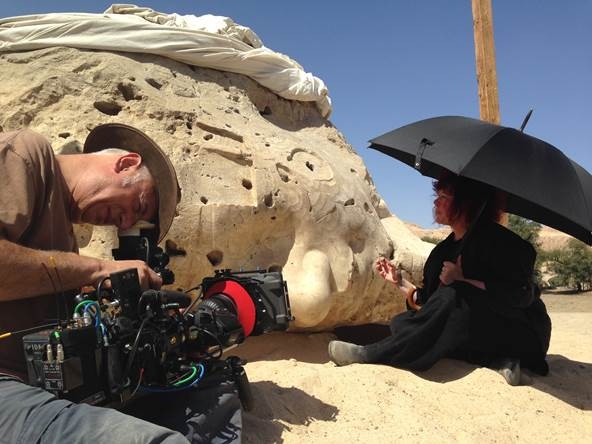
Her work reaches beyond the excavation trench, inviting others to step inside it via television programmes that have gained her both fans and friends from across the world. Even a trip to the supermarket isn’t without someone approaching her to say, ‘You’re that lady off the tele that loves Egypt.’
So, what is it about ancient Egypt that still captures imaginations?
“There’s always an air of mystery about Egypt. It is still a very young subject. Hieroglyphics were only first deciphered in 1822 so only 200 years ago, where most historic subjects have been going forever. We will never know everything, but less than twenty percent has been discovered so it’s just the tip of the iceberg. There is constant intrigue and fascination as to what will come up next.”
For Joann, solving those mysteries has always demanded more than archaeology alone.
History, she believes, is at its richest when it is viewed through both the humanities and the sciences – a philosophy that has shaped not only her research but also her life.
Working alongside her partner, archaeological chemist Dr Stephen Buckley, the pair have spent decades combining forensic science with historical interpretation, even building a laboratory at home where chemistry and culture meet.
The pair met in the late 1990s when Joann was doing a study day at Leeds Museum. Stephen was in the audience and asked her a question and the rest, as they say, is history.
They have worked together on many projects, from academic papers to television programmes and excavations in the Valley of the Kings. While Stephen’s scientific analysis provides the physical evidence, Joann weaves it into the stories of the people who once lived, ruled and were remembered.
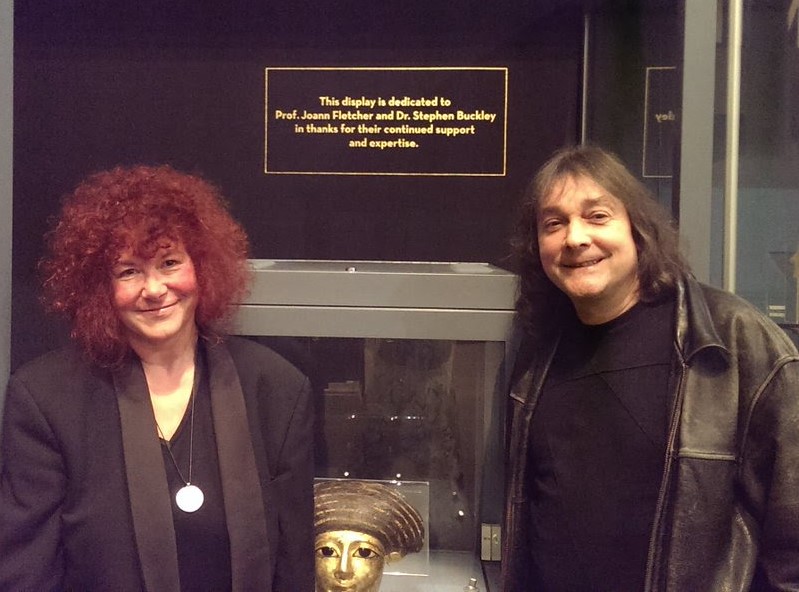
“It’s been fantastic to work together and have someone who understands it all but comes at it from a totally different angle. Science will always be impartial and it’s important to me to back up what we are saying with scientific evidence.
“The science side has come on so much in the last ten or twenty years that it’s now like forensic science. Having access to that is like a secret weapon as we are able to crack cases using the same techniques that are used in unsolved crime cases. Only by understanding the past can we work out where we’re meant to be going as a species and not make the same mistakes in the future.”
One of their most recent projects has given voice to the distant past in literal ways. They created a 3D scan of the preserved larynx, or vocal tract, of an ancient Egyptian priest to recreate his vocal tone.
The technique had been developed for people who’d lost their voice due to illness or accident, replicating exactly how they used to sound. Joann and Stephen applied this to a mummified priest who’d been in Leeds Museum for over 200 years.
“Some people said it was unethical but the priest on his coffin had hieroglyphics saying that he wants to speak again in the next world, he wants to speak to the gods to tell them his name. We were conforming to his wishes.”
One of their most widely recognised projects is the mummification of taxi driver Alan Billis for a television documentary they did in 2011. The experiment was designed to test ancient Egyptian embalming techniques, with Stephen having done his PhD in mummification materials, but for Joann it became something far more personal.
Undertaken while she was coping with a personal bereavement, the project transformed the way she thought about mortality. Ancient Egyptians believed that preserving the body was inseparable from preserving memory, and through Alan she found herself reflecting not only on death, but on the lives people leave behind.
“It helped me understand how the ancient Egyptians felt and why they mummified their loved ones. You’re not burying them or cremating them; you’re keeping them with you. That can help in the grieving process very much. I remember Alan’s widow saying she felt the need to hold his hand and that he would have loved it.”
The mummification process was a success, and Alan’s family can still visit him in the medical museum where his body is based. The preservation of his body is also used as a case study for medical students from Guy’s, St Thomas’ and King’s College to better understand what happens to the human body after death.
The project introduced Joann to new people, from medical professionals to a Home Office pathologist, as well as winning multiple awards including a BAFTA in the specialist factual category.
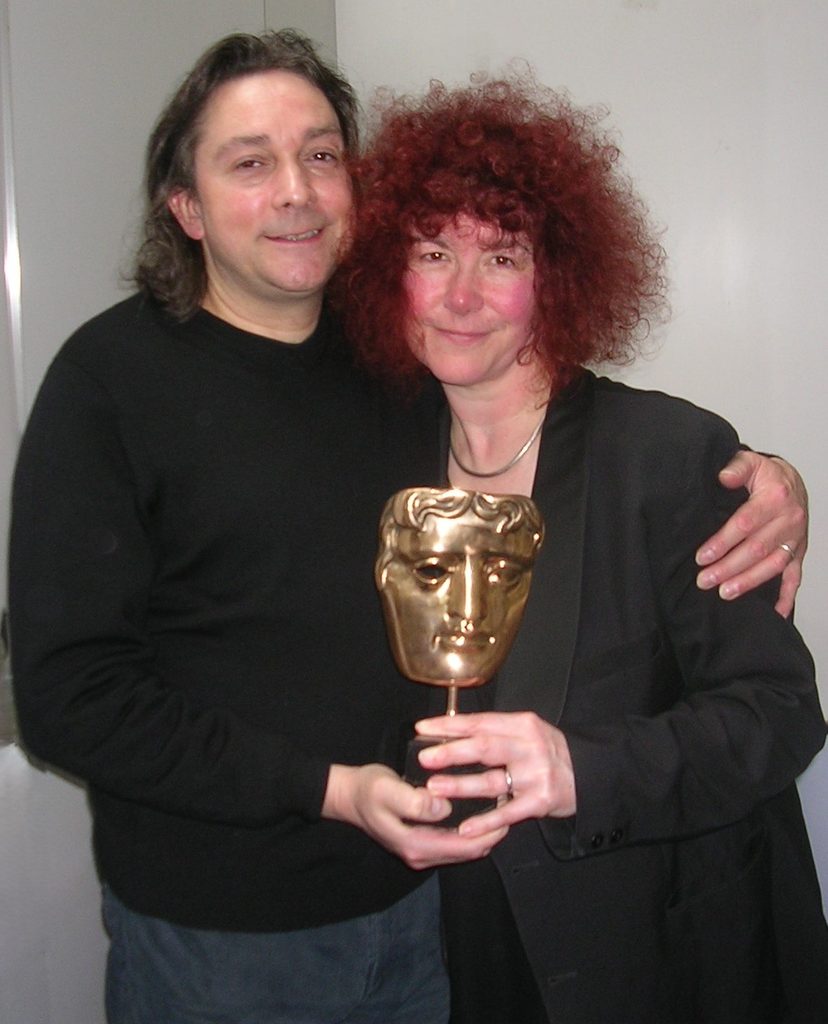
For all the scientific advances, there are still moments that make her as emotional and excited as she felt in the beginning.
While filming her most recent television series, Joann was granted access to the tomb of her favourite pharaoh – a chamber that had never been opened for filming. Standing before walls painted more than 3,000 years ago, she found herself unexpectedly overwhelmed.
In that instant, the professor disappeared and the six-year-old girl from Barnsley returned.
“It was like a sensory overload. The images were so beautifully preserved and everything I loved as a child: the visuals, the smiley people, the stunning artwork.
“I was so overcome with emotion that when the film crew asked me to say what I saw, I couldn’t get my words out. All I could think was how lucky I was to be stood there looking at that. It’s a charmed life and I can’t imagine swapping places with anyone ever.”
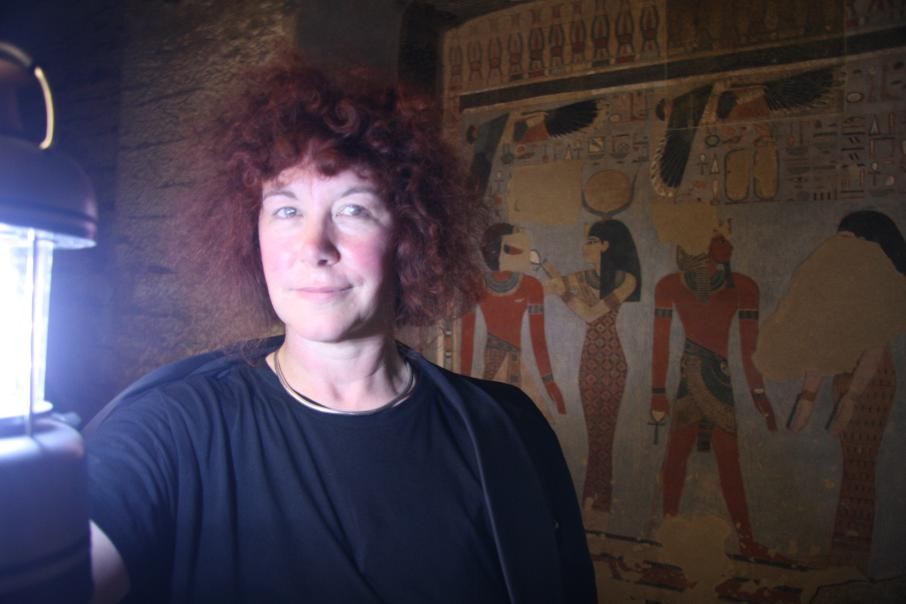
For Joann, nothing compares to returning to Egypt. Twice a year, in February and again in the autumn, she leads specialist tours along the Nile, taking visitors beyond the guidebooks to the great temples, museums and archaeological sites that have shaped her own career.
Thanks to decades of work in the field (or desert), the groups are sometimes granted access to places closed to the public – sites where Joann herself has previously filmed documentaries, allowing travellers to experience ancient Egypt through the eyes of someone who has spent a lifetime interpreting its history.
Yet even after years of exploration, Joann’s map of the ancient world is still expanding. This autumn’s tour is a new one looking at places not usually visited by the public.
“There are a couple of places on the itinerary that even I’ve not been to as they’re that remote, so I’m dead excited for that.”
Having also visited places like Yemen and Sudan, one destination she is particularly keen to visit next is Algeria, where the story of Cleopatra does not end with the queen’s death. Her daughter, Cleopatra Selene, married King Juba II of Mauretania and made her home there, commissioning statues and monuments that honoured her mother’s memory.
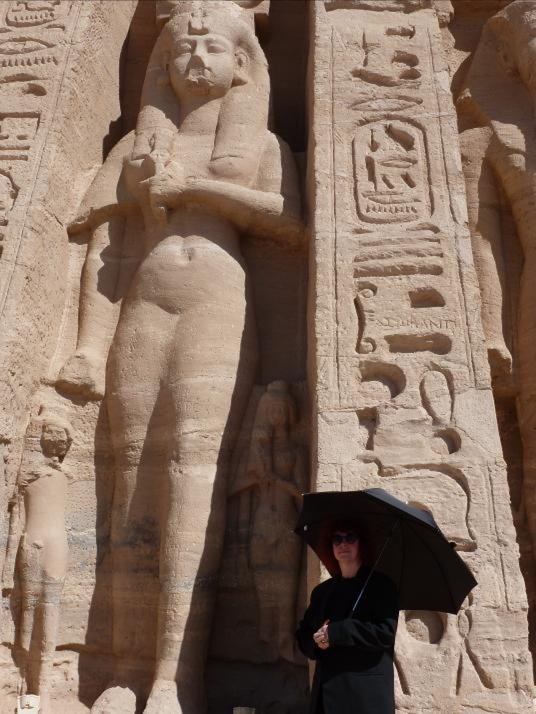
While she may have travelled across the world, Joann has also spent her lifetime building a bridge across four thousand years and nearly three thousand miles, proving that ancient Egypt isn’t as distant from Yorkshire as people might imagine.
Since she graduated from her bachelor’s degree in the late 1980s, she’s been looking at the links back to Yorkshire, something she says has left the biggest impression on her.
“I’ve found that Yorkshire has more links to ancient Egypt than any other county. As early as 1615, people from our part of the world were going over to Egypt and writing the first accurate accounts of the pyramids, identifying that they were royal tombs.”
Although she no longer lives in Barnsley after her family had to relocate with work, she’s still happily settled in Yorkshire and she teaches at the University of York. Her parents moved over there in the mid-90s and both became city guides then worked at York Minster. Her sister also works in one of the city’s museums, so history is in the Fletcher blood.
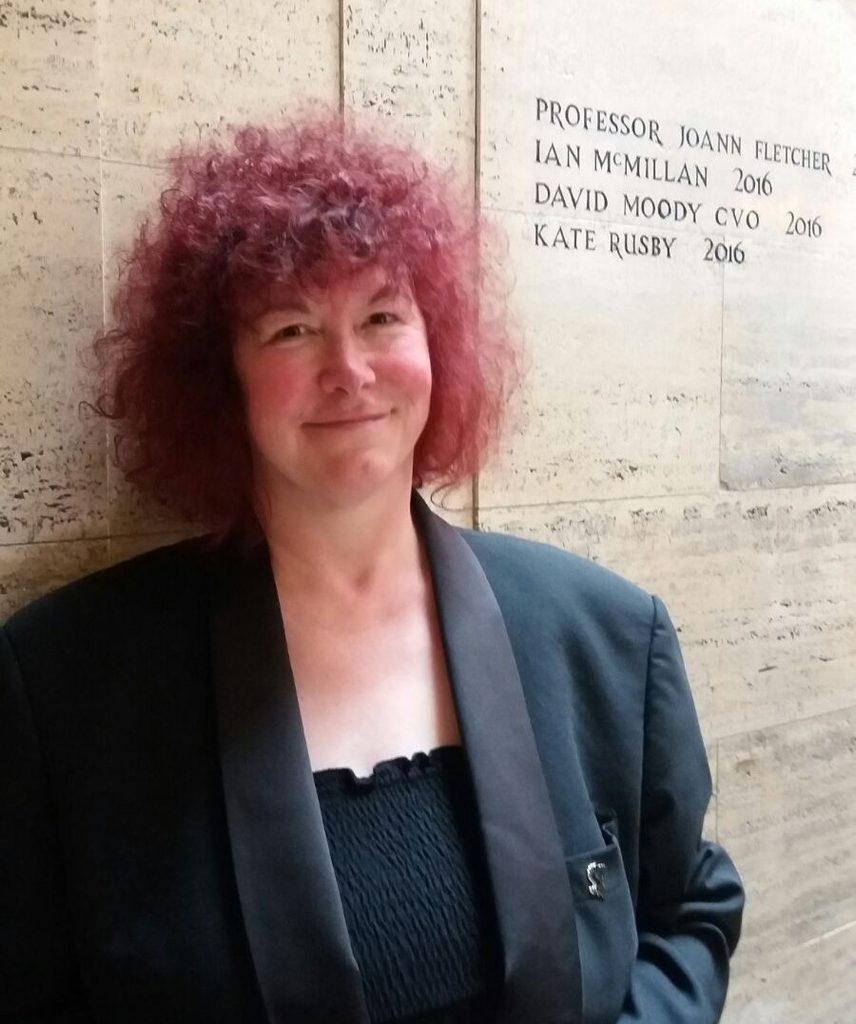
Joann has also continued to bring Egypt back to Barnsley through various exhibitions with the Barnsley Museums’ team. Her latest one, Cleopatra and the Queens of Egypt, goes back over 5,000 years to tell the story of some of ancient Egypt’s most influential women whose achievements have too often been overshadowed.
“They all go under the radar except Cleopatra. Everyone knows her as she was so famous. But much of her life was inspired by her predecessors. She was looking back at these great and powerful women like Nefertiti, Hatshepsut and Neithotep, and using them as role models in the same way that we now look back at her.”
The exhibition, which is currently on at Experience Barnsley until February, traces a female lineage that stretched across generations of queens and rulers. These were women who governed kingdoms, commanded armies, commissioned monumental buildings and shaped the course of history – all while also being mothers.
Motherhood and leadership were never mutually exclusive.
Cleopatra herself is perhaps the greatest example. During her two decades on Egypt’s throne, she had four children, outmanoeuvred political rivals and became one of Rome’s most formidable adversaries.
Thousands of years later, working mothers can still find their achievements eclipsed by discussions about their family lives, while questions rarely asked of fathers continue to be directed at women.
For Joann, the exhibition has been a chance to restore balance, allowing visitors to see these remarkable women in full – not simply as wives or mothers, but as rulers who happened to be both.
“The women could do everything a man could do, plus extra. As a mother myself, the maternal side was something I was keen to look at. I wanted to know what the mums and the grandmas did as it makes it far more powerful.”
She also looks at a subject that has long fascinated her: the elaborate wigs, cosmetics and adornments of ancient Egyptian royalty.
Far from being mere decoration, they were carefully crafted symbols of authority. In a civilisation where fewer than one per cent of people could read, appearance became a powerful language in itself.
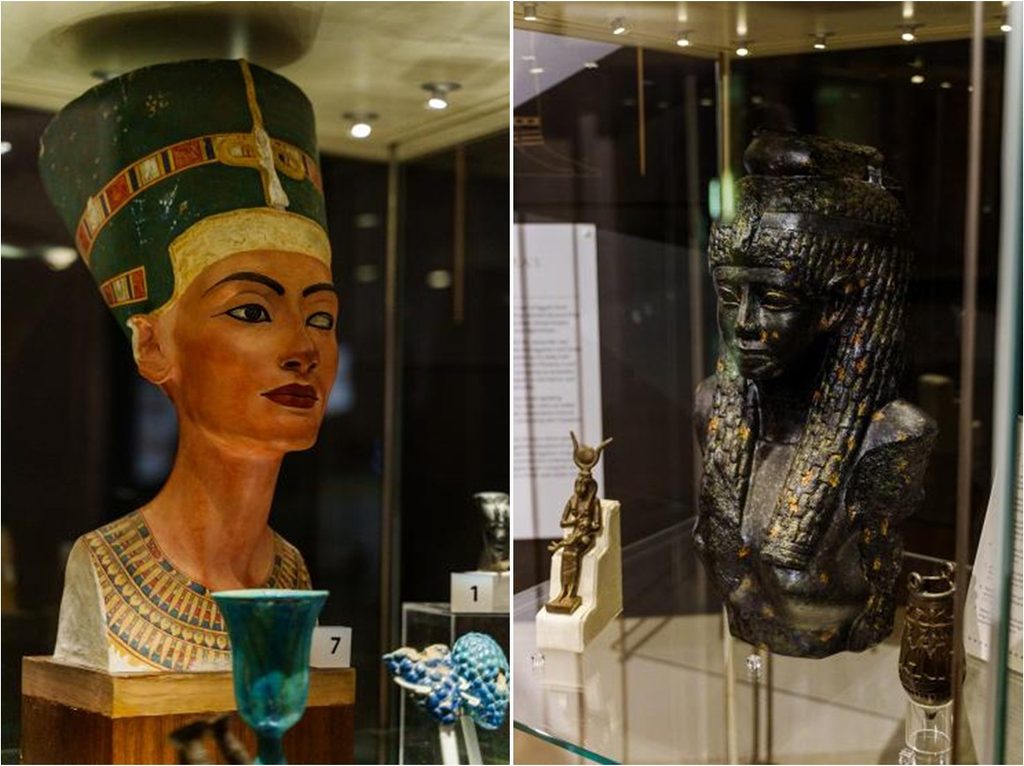
Queen Tiye’s distinctive hairstyle, Nefertiti’s particular shade of lip colour or Cleopatra’s ornate headdress instantly announced their status, divinity and power.
While monuments stand still, she points out, it is people who move through history, carrying ideas, fashions and identities with them.
“If you do yourself up in a certain way, you can travel around and be instantly recognised. People would line the Nile to watch these women travel up and down the river. They were the celebrities of their day.”
Among the exhibition’s most intriguing objects are delicate gold hairpins similar to those worn by Cleopatra. To modern eyes they are beautiful ornaments. To Joann, they are clues.
One type of pearl-topped hairpin has long fascinated her. While popular culture has immortalised the image of Cleopatra dying from the bite of an asp, Joann believes the evidence points to another explanation. Rather than her searching for a venomous snake in a basket, she argues that poison – possibly cobra venom- could have been concealed within a hollow hairpin before being administered deliberately.
There is also a reconstruction of how Cleopatra actually looked, created by a colleague in New York. Instead of the black wig that we all relate to the famous queen thanks to Elizabeth Taylor’s iconic portrayal, Joann and other Egyptologists are almost certain she was a redhead and would usually wear her hair in a more practical bun secured with these gold hairpins.
While many of the objects on display have been loaned from Bolton Museum or the British Museum, there are also artefacts that have a Barnsley connection, including coins found in Darfield.
These were minted by Cleopatra and Marc Anthony to pay their troops in the Battle of Actium in 31BC and somehow ended up in Barnsley. They were discovered in several hordes of Roman coins that were uncovered in the Barnsley village around 1947.
“Isn’t that bonkers? People often joked that I wouldn’t be happy until I’d proven Cleopatra came from Barnsley but this is tangible proof that people in our part of the world knew about these great characters thousands of years ago.”
Joann is also excited that they have the largest known watercolour painting by Howard Carter, kindly loaned by the Egypt Exploration Society. Carter was the archaeologist who discovered Tutankhamun’s tomb in 1922. The painting depicts a pharaoh with his mother and was painted by Carter when he was just 19 in 1894.
After three years of planning, Joann says it’s been cathartic to pull information together from across her career in an accessible way that anyone can plug in to.
“To be able to do the Cleopatra exhibition in my own town, in the town hall, a building I’ve known since being tiny, is dead emotional. I’m also proud that these exhibitions continue to bring people from across the world into Barnsley to see how fabulous it is.”
As visitors discover the queens, mothers and rulers whose stories Joann has spent a lifetime bringing back into the light, somewhere among them may be another child whose imagination is captured in the same way hers once was all those years ago.
History, after all, belongs to everyone.