
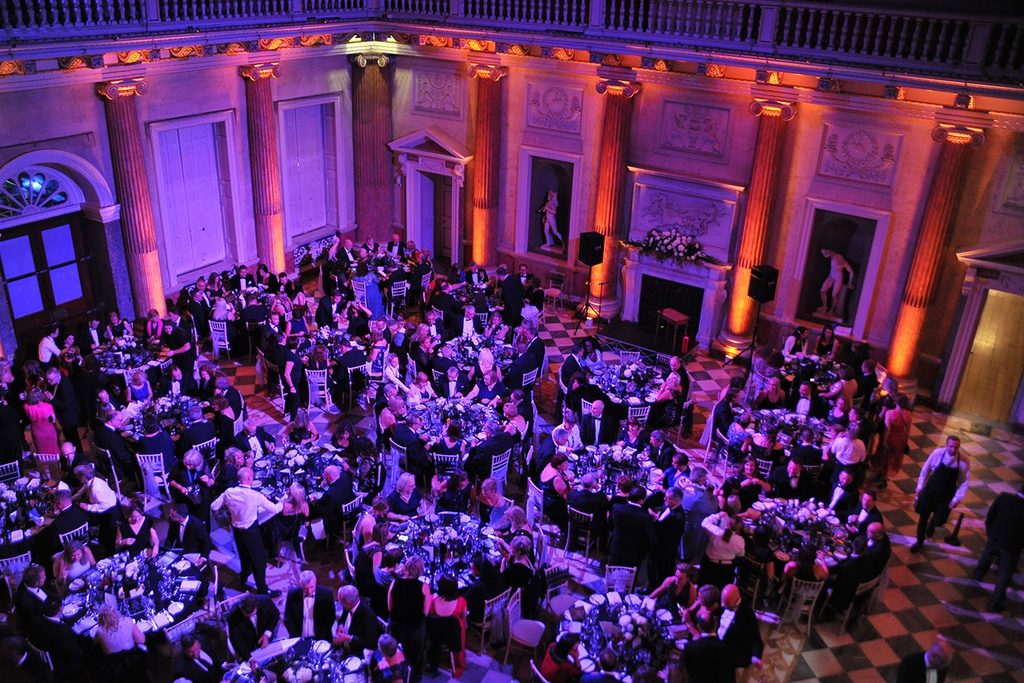
Guests arriving at Wentworth Woodhouse for this year’s Black Diamonds Ball will be stepping into a scene that has been played out in the magnificent Marble Saloon for more than 250 years.
Music. Dancing. Fine food. Famous guests. Lavish surroundings. It’s exactly what the house was built for.
But while today’s guests can simply enjoy the spectacle, the great parties of Wentworth Woodhouse’s past depended on an extraordinary workforce operating largely out of sight.
That hidden world is now being brought to life in Echoes of the House: Stories in Light and Motion. The latest exhibition in the State Rooms explores the lives of the servants, estate workers and staff who kept one of England’s greatest houses running – and those who do that today.
Immersive digital storytelling and contemporary art installations tell the hidden human stories and aim to strengthen community pride and family connections.
Wentworth Woodhouse was designed to impress. The Marquesses of Rockingham instructed their architects to create grand spaces for entertaining, balls and banquets– opportunities not only to display their wealth and status, but also to build relationships and exert political influence.
When the house passed to the Earls Fitzwilliam, the tradition continued. Their guest list included royalty and the celebrities of their day, from Winston Churchill to Ginger Rogers and Charlie Chaplin, while performers were brought from London to entertain at lavish weekend gatherings.
Author Catherine Bailey described the sheer scale of these occasions in her bestselling book Black Diamonds.
The 6th Earl Fitzwilliam would entertain up to 50 aristocratic guests at private parties, but his son, the flamboyant 7th Earl Billy, took entertaining to another level.
His weekend parties could run from Thursday to Tuesday, with guests changing outfits several times a day. And somebody had to deal with all those clothes.
On Thursday morning, the Pillared Hall would be crammed with luggage sent ahead by the guests. Sixty servants searched trunks, gun cases and hat boxes for their owners’ initials to make sure everything reached the correct bedroom, while another 40 footmen waited for guests to arrive.
And that was before the party had even started.
Keeping guests comfortable was also an immense undertaking that came at a price.
Wentworth Woodhouse had no running water and was heated by fireplaces. Electricity did not arrive until 1904, meaning maids, lamp men and water men worked around the clock.
When the 2nd Marquess of Rockingham hosted the Prince of Wales in 1789, 8,250 oil lamps illuminated the Marble Saloon. There was a sumptuous dinner, followed by another huge meal at midnight that kitchen staff had to prepare.
More than a century later, in December 1899, Lady Alice Fitzwilliam hosted an orchestral concert for 300 people, with more than 100 members of the Hallé Orchestra performing in the Marble Saloon. Around 1,000 gas jets illuminated the gallery, while palms, ferns, lily of the valley, Roman hyacinths and white chrysanthemums transformed the room.
Then came the famous royal visit.
When King George V and Queen Mary arrived in 1912, the Fitzwilliams had to find beds for around 75 people, including guests and their staff.
Even the royal bedroom required careful preparation, with an expensive mattress ordered from London.
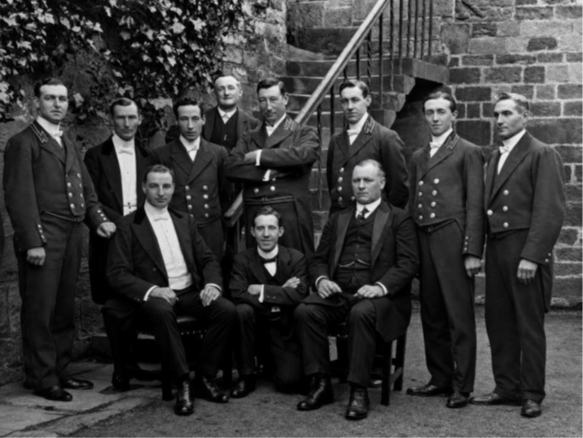
Research undertaken by Wentworth Woodhouse’s volunteers and staff for the latest exhibition has revealed fascinating details – and overturned long-held stories.
For decades, it was believed that celebrated Russian ballerina Anna Pavlova danced in the Marble Saloon for the King and Queen in 1912. But researchers have discovered this isn’t true.
The ballerina was actually LydiaKyasht, another pioneering Russian dancer. A specially built suspended wooden floor was installed over the Marble Saloon’s precious marble for her to perform on.
Other discoveries have been equally intriguing. A supposed fishpond in the cellars, thought to have provided the first Marquess of Rockingham with fresh trout and bream for his dinner parties, is now believed to have been a water storage and purification system.
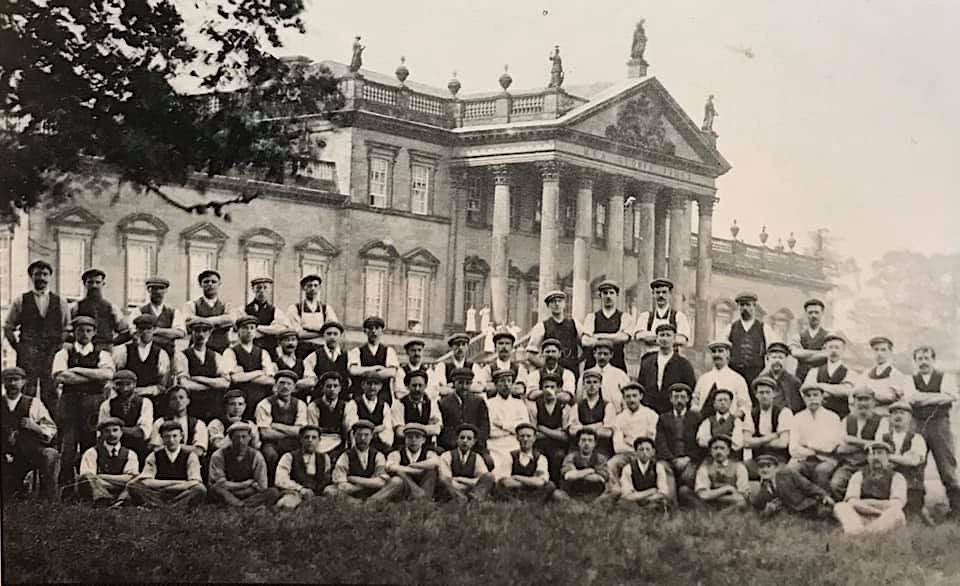
For all the stories of aristocrats, royalty and famous entertainers, Echoes of the House asks us to look towards the thousands of people whose work made this extraordinary lifestyle possible.
Kitchens, laundry rooms, bedrooms, cellars, stables and gardens all had to operate like a vast, highly organised machine.
The people running that machine rarely appeared in the portraits of the great and famous. But Echoes of the House puts them back into the picture.
One of the exhibition’s most remarkable stories is of a painting found in a family attic.
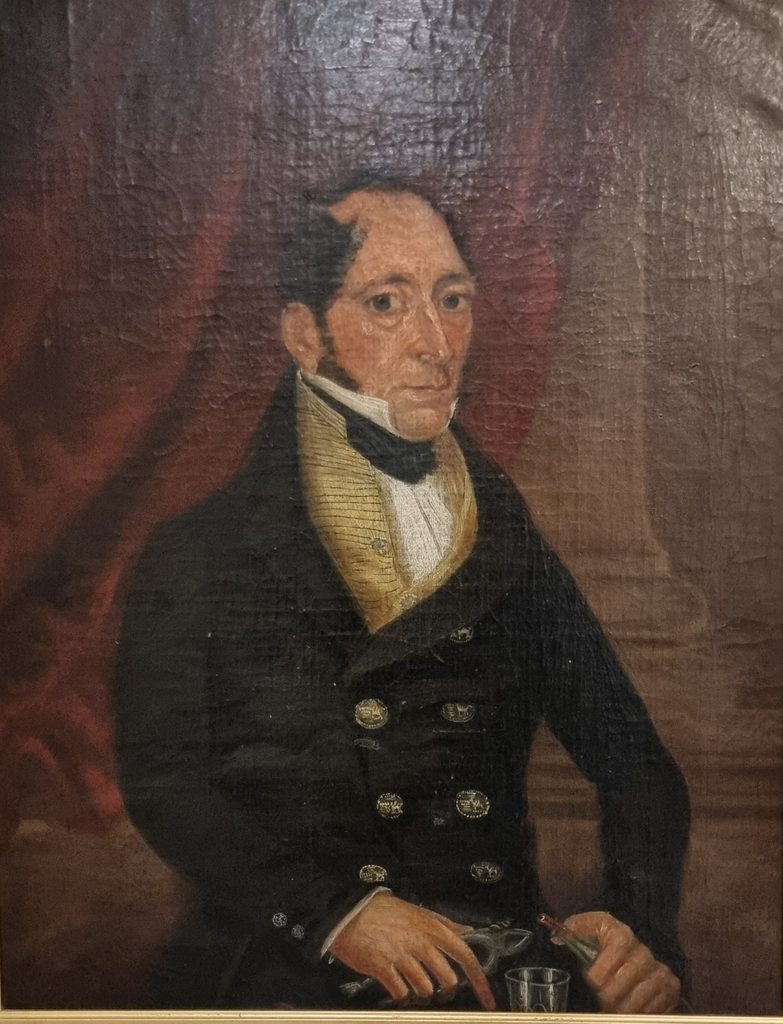
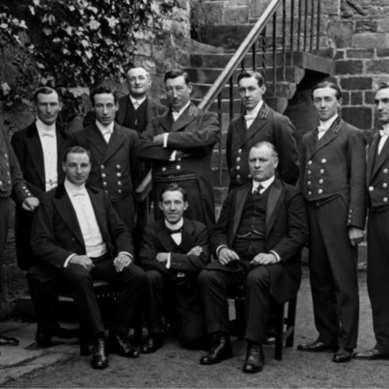
The portrait shows Victorian butler, William Denton, resplendent in Wentworth Woodhouse livery. His descendants brought it forward after the Trust appealed for memories and artefacts relating to servants and estate workers.
Born in 1801, William is believed to have started in service to the Fitzwilliams as a boot boy at 14. He rose through the ranks to become a footman and eventually a butler, travelling with the family between Wentworth Woodhouse and their other homes.
By 1857, he was earning £35 a year as a senior male servant responsible for supervising the footmen, organising dinners, managing the wine cellar, greeting guests and ensuring high standards of etiquette throughout the household.
William’s portrait gives a rare glimpse of a working-class person from the Victorian era – and a face to a life that might otherwise have disappeared into the archives.
Not an Earl. Not a celebrity. Not a royal visitor. A man whose working life helped make the world of Wentworth Woodhouse possible.
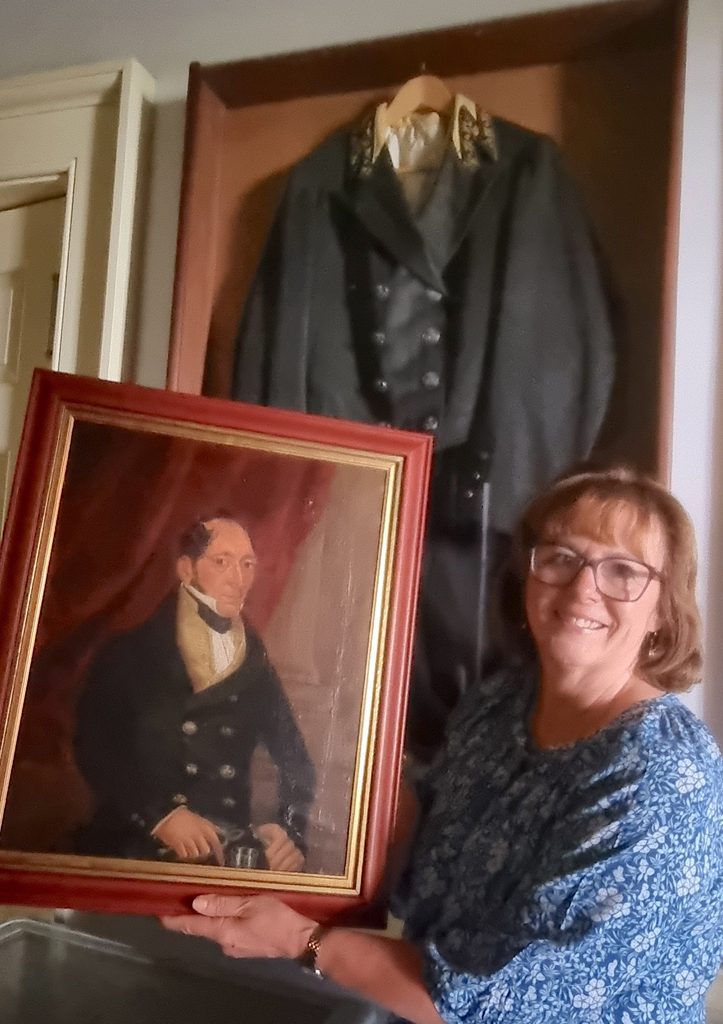
And there are many more stories like his.
James Swift worked for the Fitzwilliam family for 50 years. He started as a stable boy before becoming a coachman, mechanic and then chauffeur for four Earls.
His wife Margaret was a lady’s maid and the pair met at the House. They went on to have daughters and lived in the Stables.
Family stories paint a vivid picture of James’ life in service. One recounts the 7th Earl calling James in the middle of the night to take him to London after his wife Countess Maud had locked the bedroom door.
Within minutes James was preparing the motor car for a journey that could last until dawn.
Such was the nature of service.
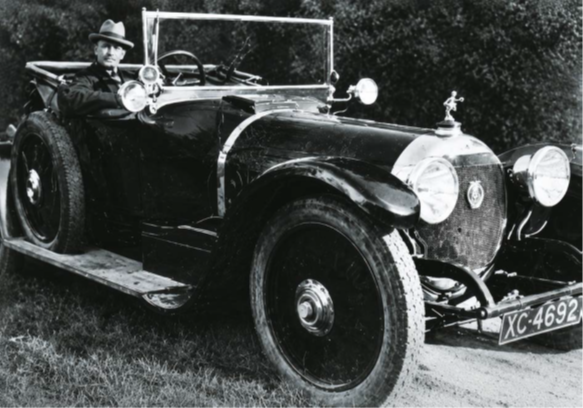
The family’s relationship with the Fitzwilliams was marked by mutual respect. When the 8th Earl died in 1948, he left James a legacy in his will.
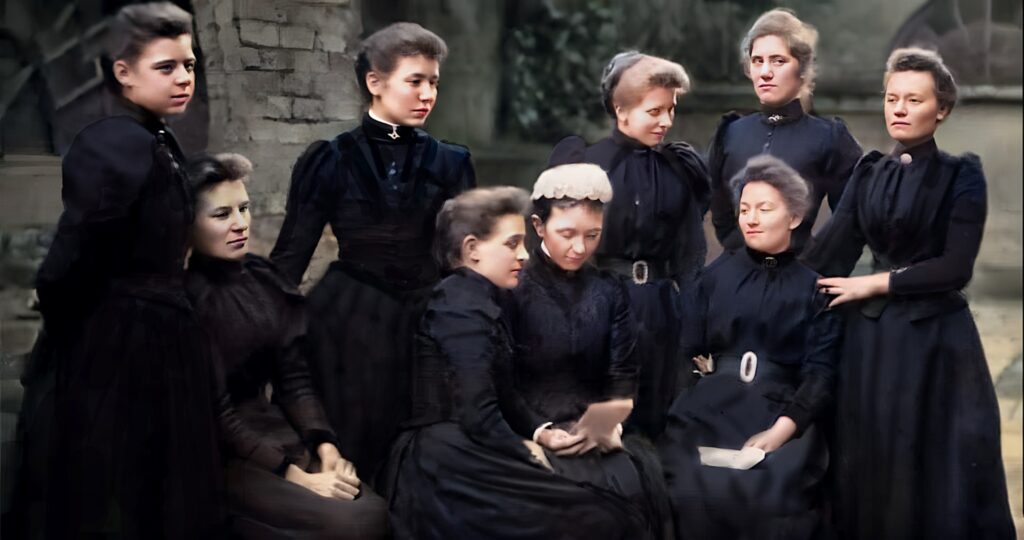
Other research has uncovered stories of servants from diverse backgrounds, the challenges faced by female staff, and the daily realities of those who cleaned, cooked, carried, polished, gardened, cared for the house and estate, and even cleaned up Countess Maud’s parrot droppings from the carpet.
History, it seems, is not always glamorous.
Glamour will be on display this year, though, as the Black Diamonds Ball returns with what promises to be the most spectacular ball yet.
On Saturday 10th October, guests will gather in the Marble Saloon for an evening of food, music and dancing to support the Dame Julie Legacy Fund.
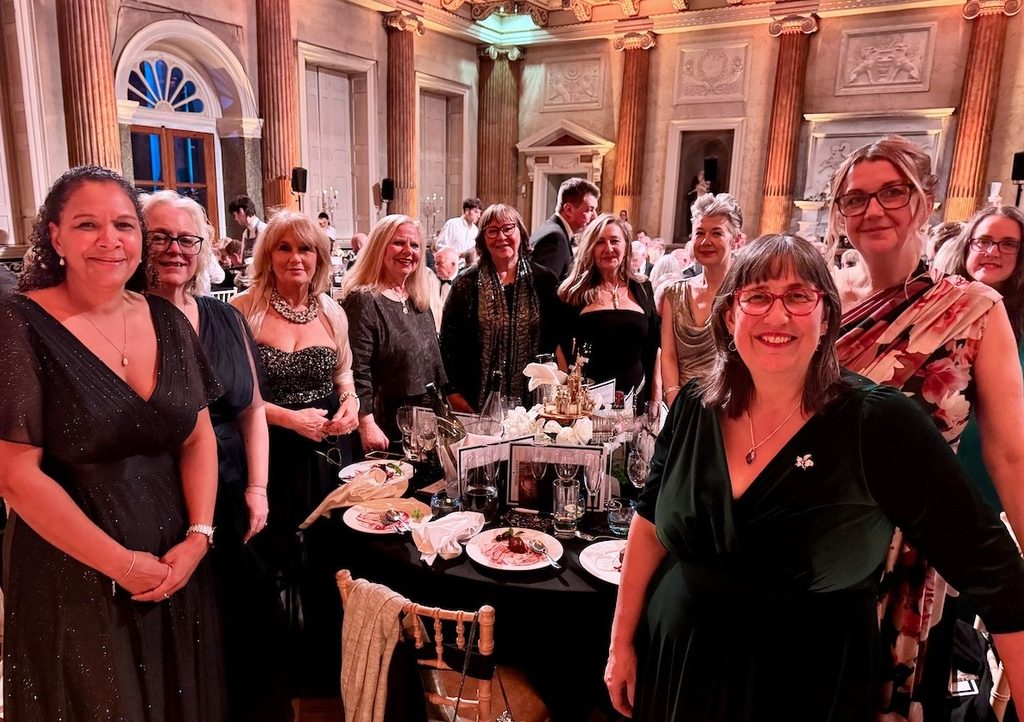
With a drinks reception, a sumptuous three-course dinner and an evening of Northern Soul and Motown entertainment, guests will enjoy the grandeur that generations of owners intended their guests to experience.
But when the music starts at this year’s Black Diamonds Ball, spare a thought for the generations who came before.
The footmen waiting in the Pillared Hall. The servants searching through luggage. The maids carrying water. The workers tending fires and lamps. The cooks preparing yet another midnight feast.
The people whose names may never have appeared on the guest list – but without them there could have been no party at all.
The guests may have changed. The technology certainly has. But after more than two centuries, the Marble Saloon still knows how to put on a party.
Guests can try their luck in the raffle or bid for items in the silent auction, with luxury prizes including two unique jewellery items handcrafted by the Jewellery Studio in Bakewell.
Jeweller Richard Croft has createda set of platinum cufflinks set with 60 round, brilliant-cut black diamonds, as well as a one-of-a-kind diamond and platinum pendant featuring a round, brilliant-cut, 1.6 carat black diamond and 56 brilliant-cut white diamonds.
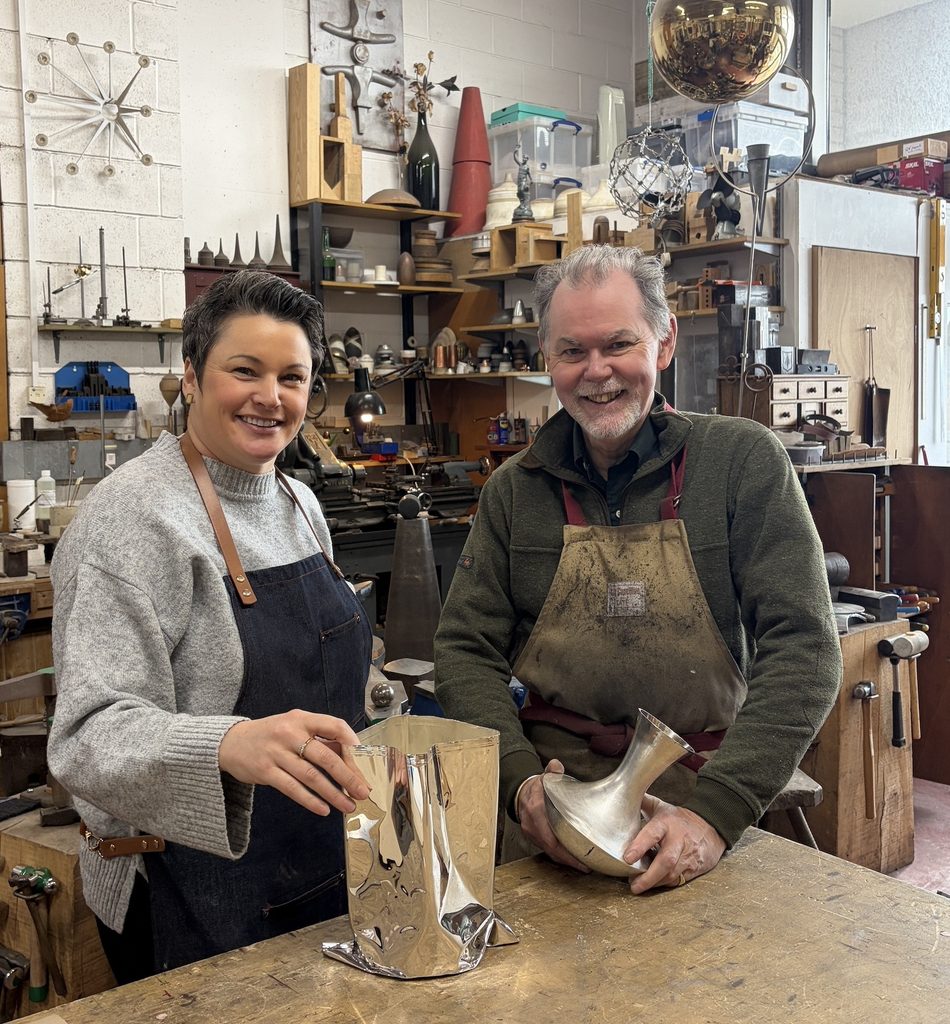
This is also a rare opportunity to learn about the craftsmanship and heritage behind Sheffield’s celebrated silversmithing traditions at a workshop run by two award-winning makers who are the founders of the annual Goldsmiths North fair at the Cutlers’ Hall.
Participants will create their own silver keepsake, and the prize also includes tickets to the first-ever Goldsmiths North Show to be staged at Wentworth Woodhouse on 13th November.
Other prizes include a weekend stay at the new Lonk retreat in Lancashire, a curators’ tour of Raby Castle in County Durham, a behind-the-scenes experience for six people at the Crucible and Lyceum theatres in Sheffield, and a private function for up to 40 guests at Wentworth Woodhouse’s Camellia House.
Most importantly, every penny raised will support the Dame Julie Legacy Fund, continuing her vision to make Wentworth Woodhouse a beacon of opportunity and positive change for the region she loved.
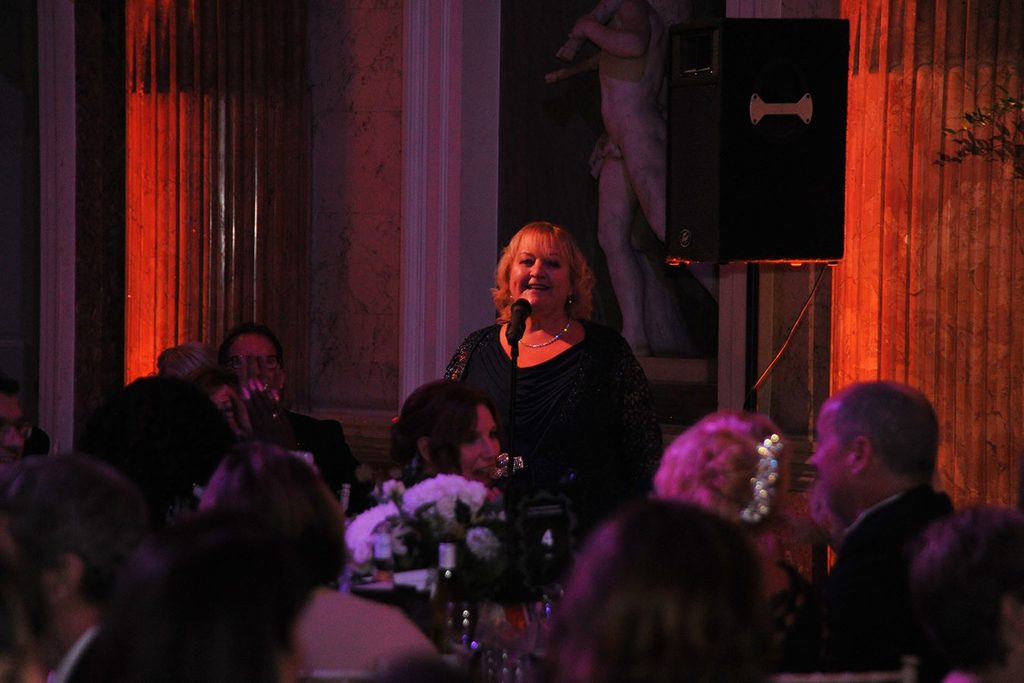
The late Dame Julie Kenny founded the event in 2019 and it has served as the Preservation Trust’s premier fundraising event ever since, helping preserve the future of this historic mansion.
Tickets are now available to buy online from www.wentworthwoodhouse.org.uk
Echoes of the House: Stories in Light and Motion runs until 8th November 2026 and is included in the general house and garden admission price which is £19.50 for adults and free for children up to 16 years.