
There is a story John Kelly tells about himself that is probably as good an introduction to the man as any.
“Somebody said to me I wasn’t born – I was knitted at the age of 15,” he laughs.
It is typical John: self-deprecating, slightly mischievous and delivered with the confidence of someone who has accumulated enough stories over the years to keep a room entertained for hours.
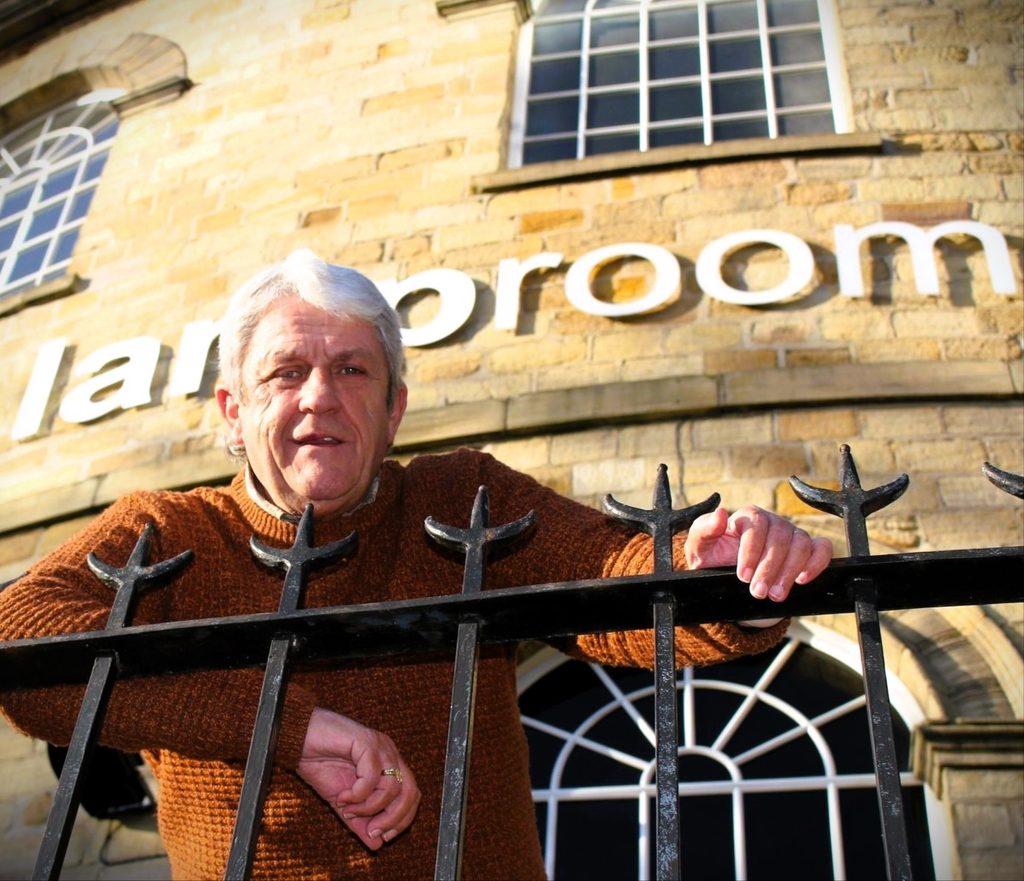
Because wherever he has worked, wherever he has lived and whoever he has met, he seems to have been collecting characters.
The Irish boy who arrived in England as a toddler. The bright spark teenager covered in coal dust from the pits. The psychiatric nurse with a white coat and a dream. The businessman. The football director. The broadcaster. The arts correspondent. The playwright. The father who watched his children follow paths he once thought were beyond his own reach.
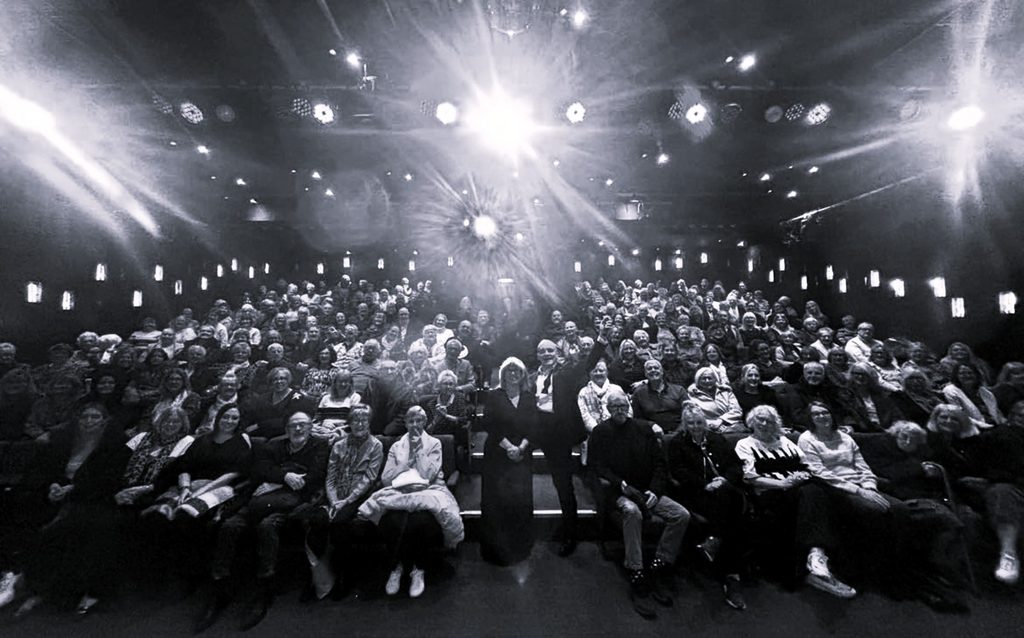
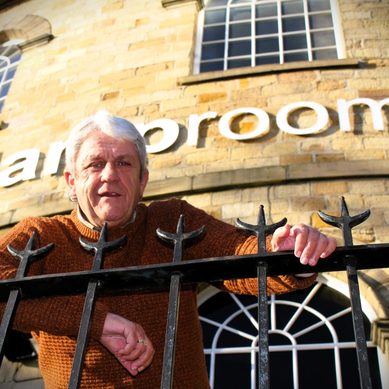
And eventually, the man who bought a derelict building and turned it into The Lamproom Theatre because he couldn’t bear the thought of Barnsley entering a new millennium without somewhere for those characters to come alive.
The Lamproom is perhaps his most visible legacy. But it is only one chapter of a much bigger story.
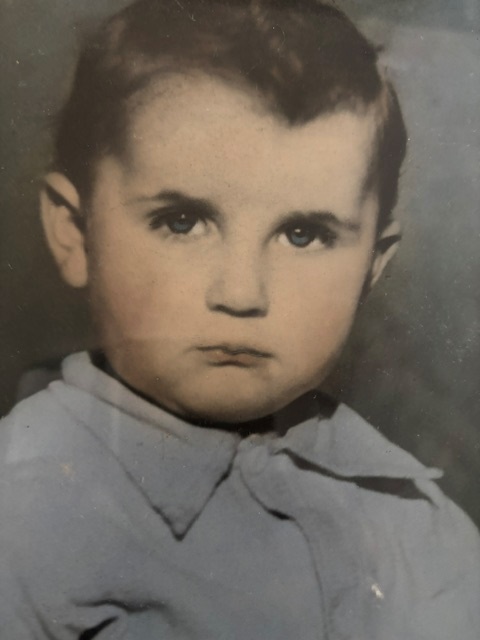
John was born in Roscommon in the west of Ireland. His mother, from Killarney in County Kerry, had come to England after the war through NHS recruitment to train as a nurse in Herefordshire. His father, from Roscommon, had also travelled to England for work, where he was employed as a navvy.
The pair met at a dance, married and returned to Ireland where John was born two years later.
But Ireland in the 1950s offered little security for a young family with limited money and limited work prospects. The Kellys decided to return to England, where his father found work in the coal industry over the Pennines in Boothstown in the Manchester suburbs.
They lodged in a small, terraced house with an elderly widower who promised them the house if John’s mother cared for him, but John’s father wasn’t keen on the area.
Then he saw a sign advertising for new three- and four-bedroom houses for colliers prepared to transfer to Yorkshire.
And so, the Kelly family moved to Grimethorpe, with John’s father taking a job at Grimethorpe Colliery.
When the deputy manager at Grimethorpe was offered his own colliery, Monckton 3 & 4 in Wakefield, he told John’s dad he would up his wages if he came with him.
“Well, my dad would have thrown himself off the top of Mount Everest for sixpence,” says John.
So off they went, with John growing up in Havercroft, a small village near Royston. It was a proper working-class upbringing, with John and his younger siblings, Josephine and James, finding ways to entertain themselves on a shoestring.
“I remember once finding a magnet out of a radio and going round the gutters collecting iron filings. I learned to entertain myself and I think if you’re a child that can do that, your imagination flourishes.”
By the time he was 15, everyone around him seemed to have an idea about what he should do next. But John made a decision that surprised – or perhaps horrified – everybody including his teachers and the parish priest. He left school and went down the pit like his dad.
His teachers believed he was bright enough to take ten O levels, continue to A levels and eventually go to university. John, however, had a more immediate ambition.
“I said bugger O levels. I didn’t want to be leaving university penniless when I was 22 or 23. If I was to go down the pit, I could be earning some good money as a young lad.”
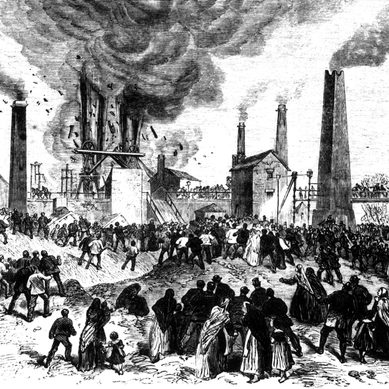
So in 1966, aged just 15, he became a mining apprentice at Monckton, then, when it closed that Christmas, he relocated to Ferrymoor Colliery in Grimethorpe. Every morning at around 5am he’d be on his bike cycling the five miles from Havercroft to be underground for six, then cycle home again after his shift.
“It’s like that Monty Python four Yorkshiremen sketch. ‘You try telling the young folks of today and they won’t believe you.’ But it’s true. That’s the sort of things we were doing. We must have been mad.”
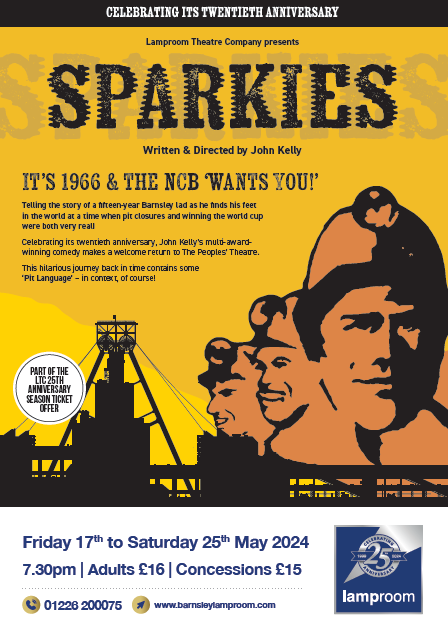
John took to mining like a duck to water and was even named Mining Apprentice of the Year in 1966 by the National Coal Board.
The men covered in muck. The banter. The personalities. The stories. Years later, when he began writing Sparkies, those memories would become material for a play set in a fictional colliery called Rycroft, named after Ryhill and Havercroft. He even used his own apprentice of the year photo as the play’s artwork.
Underground, he also found his first cast of characters.
It was The Lamproom’s first sell-out show, filling the place for a fortnight, and went on to tour in theatres across Yorkshire.
All good stories need a plot twist and, as art imitates life, a chance encounter underground would see John’s journey head somewhere else entirely.
He’d been involved with St John Ambulance from about the age of 12. One day, somebody who had taught him saw him at Ferrymoor. The man’s reaction was blunt.
“He said to me, ‘What the hell are you doing down here?’ I told him I was working and he told me to get out and get a proper job – go become a nurse.”
John didn’t even know men could be nurses back then. But the seed had been planted.
Then, a visit to drop some cigarettes off to a patient in Stanley Royd Psychiatric Hospital in Wakefield brought the idea into focus.
John spotted a former schoolmate there in a white coat, training to be a nurse. That was all the encouragement he needed. In 1968, he left mining to become a trainee psychiatric nurse, qualifying in the early 1970s.
But there were more characters waiting for him in psychiatric nursing.
Night-shift staff with their schemes and dreams. Men who were convinced they were going to open businesses, invent things or change their lives once they got out.
“I was an 18-year-old student doing a three-month block of nights and realised very quickly that the sanity of the night-shift staff was dubious. They’d say, ‘I’ve got an idea, I’m going to open a market stall or I’m going to start selling parts for motorbikes.’”
John remembered them and decades later they became ‘Dreamers’, the play he still considers his favourite.
“When you write a play, it’s the loneliest thing in the world. You’re in an office or a room somewhere typing away on the old keyboard. And you think ‘That might be funny, I’ll try it that way.’ It’s a very ego satisfying moment when you sit at the back of a theatre and listen to people howling with laughter at something that once existed only inside your own head.”
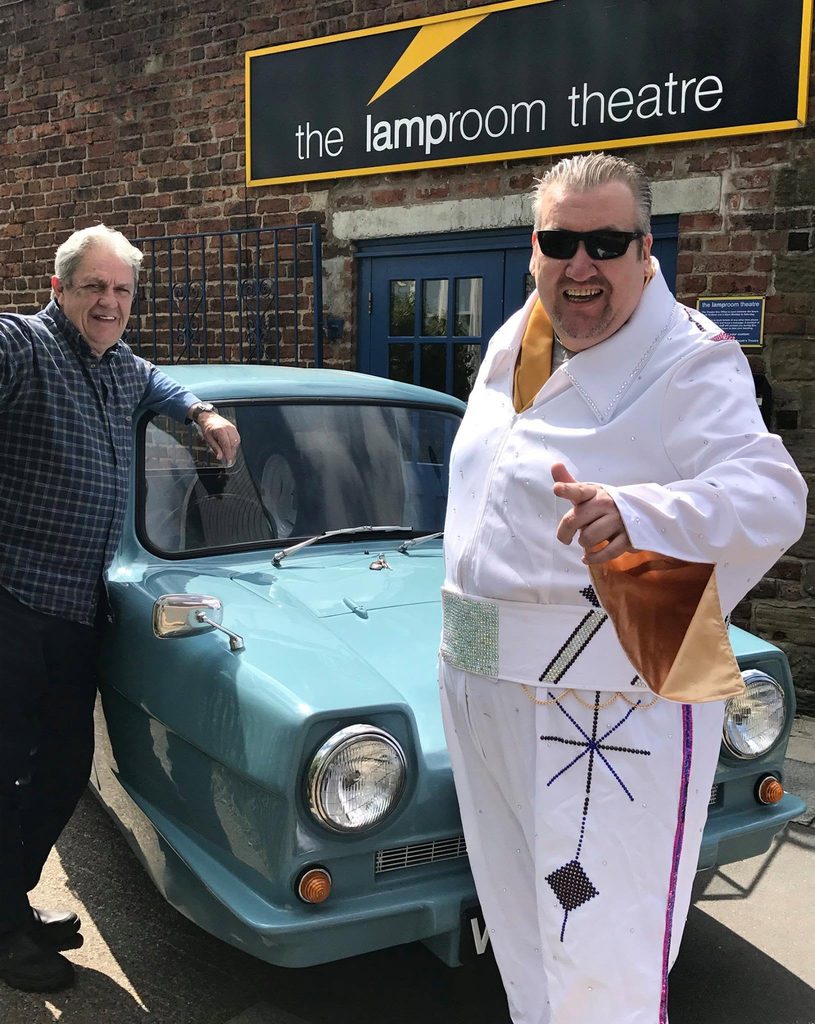
Soon into his nursing career, John realised he’d need to be doubly qualified to earn a decent living, so he came to Barnsley to complete his general nursing training to become a charge nurse.
It was a decision that would change the course of his life. John was appointed assistant capital planning and project officer to open Barnsley’s new hospital at Pogmoor in the 1970s.
It came with a lot of responsibility in getting the two huge buildings ready. With millions of pounds worth of equipment waiting to be shipped in, John was tasked with staffing each unit and making sure they had everything they needed before opening day.
“That was my first claim to infamy.”
There was something about responsibility, about taking something complicated and making it work, that clearly suited him.
Years later, that same instinct would see him standing inside another enormous building, except this time there would be no hospital equipment waiting to be installed. Just water running down the walls and drugs that certainly didn’t come with a prescription.
Before that, however, John discovered he had a head for business.
He had been living in terraced house in Barnsley and, by his own admission, was skint. Then came another lightbulb moment when he saw an electrical shop while driving through the town centre.
“It made me question why I ever left the pit. Why didn’t I stay and complete my training as an electrician?”
The more he thought about it, the more he realised nursing was just as much a trade as being an electrician. So he decided to put his nursing skills to commercial use.
John established what he believes was Barnsley’s first private nursing agency, operating initially from his terraced house close to the hospital.
He put a plaque up outside their home, advertised in the newspaper and began supplying nurses to work in people’s homes.
Before long, the business was thriving and he had a team of ten nurses working for him. Then came nursing homes, with the business buying existing properties or converting buildings for care.
It was the beginning of a period of considerable financial success, but the interesting thing about John is that he rarely talks about money for very long. His stories are nearly always about what the money, the opportunity or the position allowed him to do next.
In the 1990s, that included Barnsley Football Club.
He had supported the club since childhood, but when directors began asking him to join the board, he initially declined because he was too busy.
Eventually, in 1992, a phone call came while he was sitting at home watching television. This time he said yes.
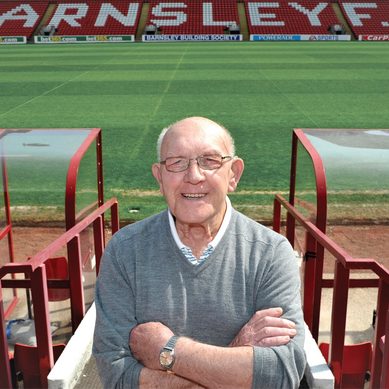
He became a director during one of the most memorable periods in the club’s history, when Barnsley reached the Premier League. Chairman John Dennis gave him the portfolio of ground development, and John was involved in the creation of new stands at Oakwell.
Oakwell, he recalls, was almost like a Victorian football ground. It was another building that needed somebody to imagine what it could become.
“New hospital, new football ground,” John says with a smile. “Not bad for a thick Paddy from Roscommon, is it?”
But football wasn’t his first love. Theatre was.
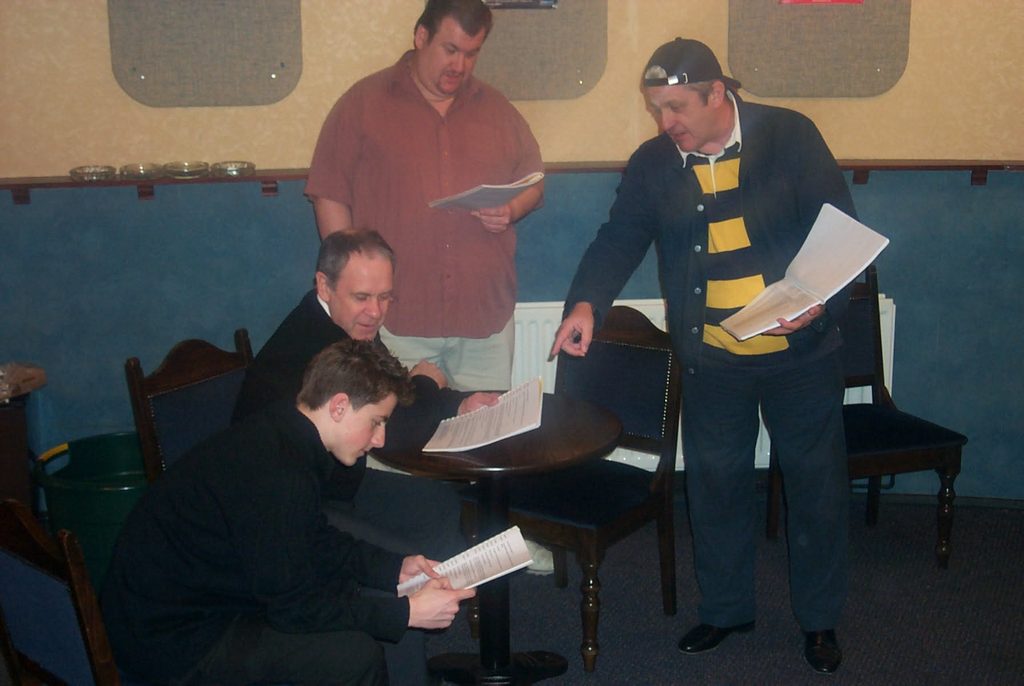
John had wanted to act since he was a teenager. He once found a book in Barnsley Library explaining how to become a professional actor, only to discover that the conventional route involved London and drama school.
He knew it would be financially unrealistic for a lad from a family like his so, like so many times in his life, John found another route.
He became involved in community theatre, performing with local groups over in Horbury and Wakefield before coming to Barnsley.
That’s where he met his wife Anne, in the musical Oklahoma! John, with his long, shiny black curls back then, played Curly while Anne was his Laurey. And oh, what a beautiful life it became.
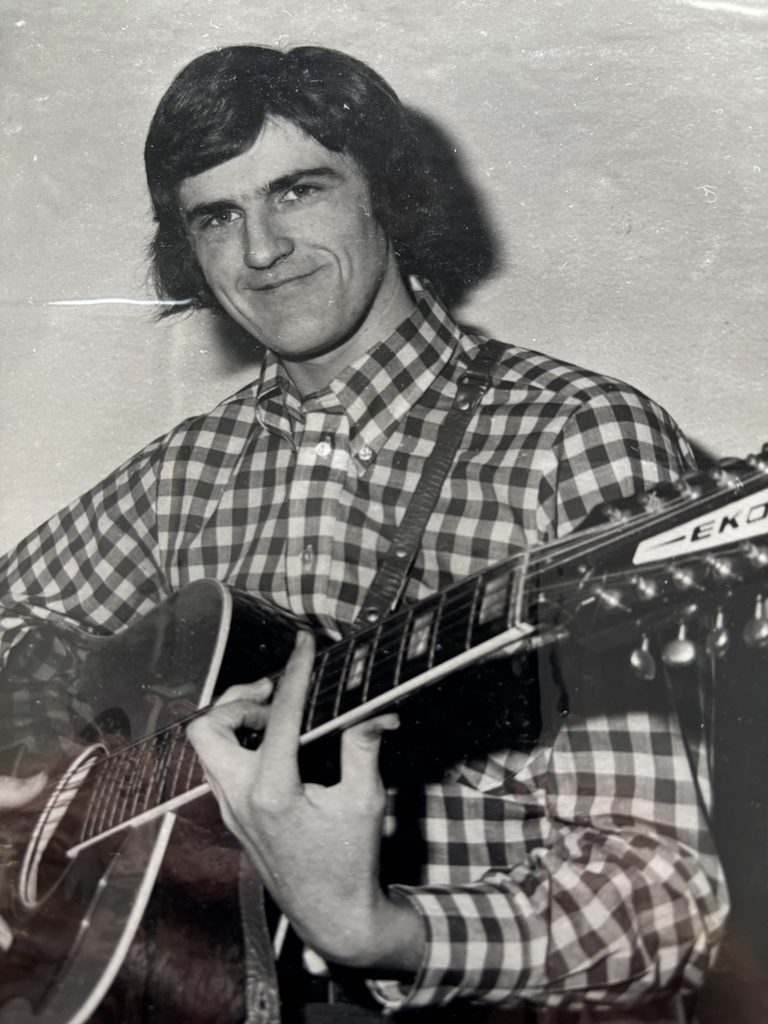
The pair married in the 1970s and toured the working men’s and folk clubs together as a double act, with Anne singing while John, nicknamed the songwriting nurse, played the banjo and guitar. Those club days inspired his third play Turns.
The trilogy soon turned into seven plays and John now has 16 to his name, with two more buried inside his 75-year-old brain waiting to come out.
“I could never write a novel but plays are easy as they’re just conversational. I’ve got two stormers in my head that I need to sit down and actually write but I’ve been struck with a terrible condition called CBA…”
After more than 60 years of writing, it’s no surprise he’s been enjoying a break from the grind. He began writing when he was only 13 or 14, but says it really took off in the early 1980s when he was asked to be involved with Worsbrough Mystery Plays that they performed every three years in St Mary’s church yard.
John went from playing Jesus in ‘83, to directing in ’86 and being asked to personalise the script in ’89. What followed was another nine years of writing plays for local community actors to perform, littered with Worsbrough-themed Medieval idioms.
He also saw a lot of young talent come through the school, including John Hudson who went on to become one of the country’s leading tenors. When The Lamproom opened, Hudson and his cousin Paul, a bass baritone, were the opening act.
John’s writing was shaped by an early lesson from Frances ‘Fanny’ Cox, a former BBC producer he met at Wakefield Little Theatre. He gave her some of his early scripts to look over and provide feedback.
“She asked me if I had ever walked across the Sahara being pursued by men with machine guns. I said no. Had I ever escaped from a prisoner-of-war camp? Again, no, I was just into war films. She said, ‘Then what the hell are you writing about those things for?’ She had a way with words, I tell you.”
Her point might have been direct, but it made sense. Write what you know. And John has never forgotten it.
His plays draw on the worlds he has actually inhabited. He writes about miners because he was one. He writes about nurses because he was one. He writes about Barnsley because he belongs here.
Another of his plays, Penny Crusades, was inspired by his time working as an arts correspondent at Barnsley Chronicle in the 1970s and ‘80s. It’s about a young journalist who gets killed after investigating what she believes to be an underhanded deal by the council to strip a family of their land to build houses on.
“I got dozens of letters from the public thanking me for that one, even though it ended with her brain all over the table.”
There’s another play John could easily write with his eyes closed. The Man Who Gave Barnsley a Stage.
Because, in the late 1990s, that’s exactly what John Kelly did.
Having spent a lifetime in theatre as a writer, director, producer and actor, he was becoming increasingly concerned about what was happening to the theatrical arts scene in his adopted hometown.
The Civic Theatre had been closed by the local authority. Another small theatre, The Globe, had been demolished to make way for a through-road. Barnsley was losing its performance spaces.
John couldn’t accept that the town should enter a new century – and a new millennium – without a theatre space.
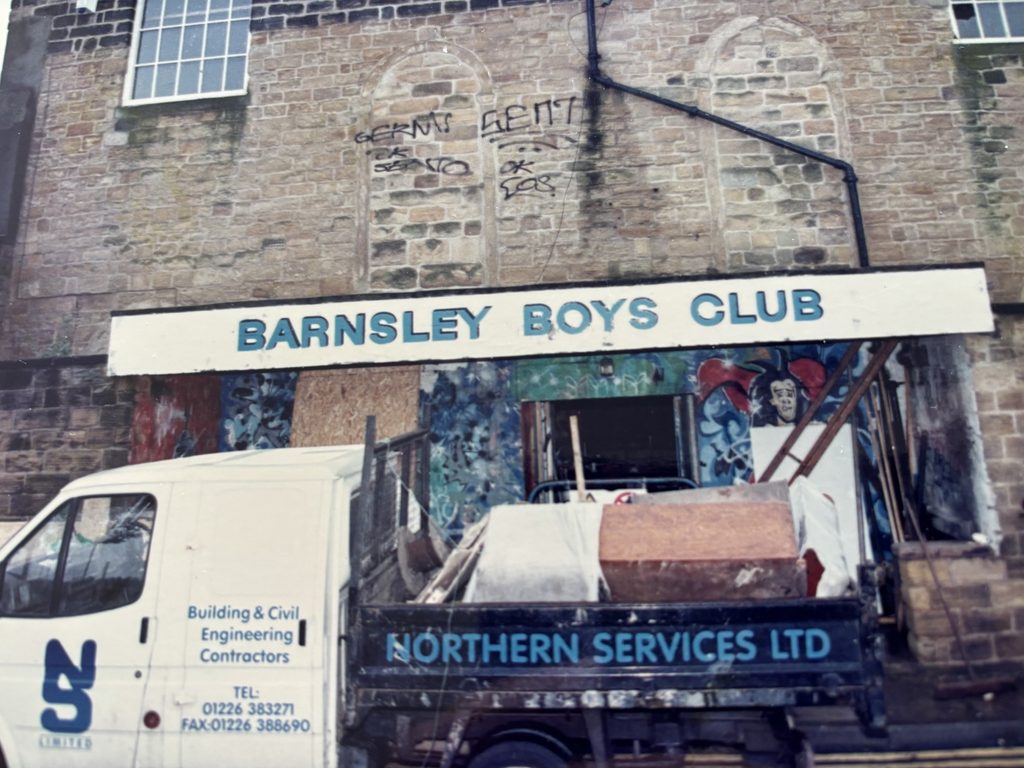
Then he saw a derelict building advertised for sale in the Chronicle’s real estate pages. It was the old Boys Club building on Westgate, a grade II listed former methodist chapel dating back to 1794, but it had become, by any reasonable assessment, a terrible building.
It was badly neglected, with the detritus of drug use inside.
An estate agent asked John what on earth he intended to do with it.
“I told him I was going to get Barnsley kids on a stage, entertaining people, rather than whatever had been happening inside that building. People thought I was unhinged.”
John laughs about it now. But he meant every word.
He brought together people involved in theatre, established a trust and, when the time came, transferred the building to them.
Before it opened in 1999, they spent months transforming the building back into something the town could be proud of. Well – as soon as they could get through the door, that is. John remembers the bolts being that seized up they needed a hammer just to get in the place.
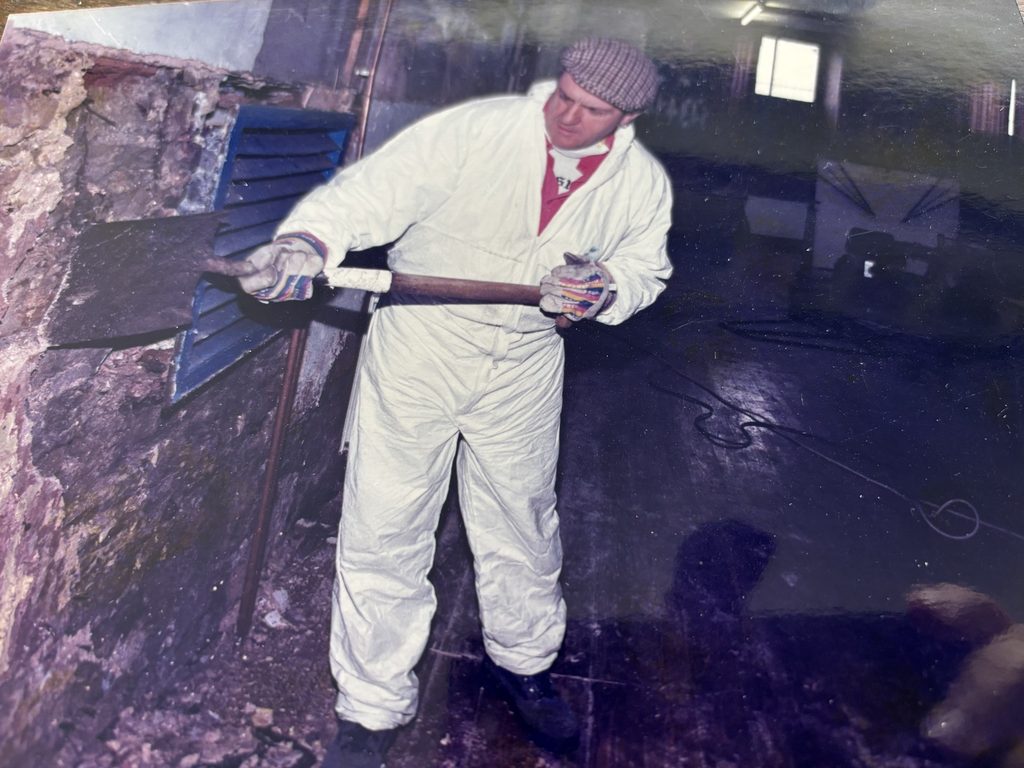
True to form, his next character was written – Captain Plaster Remover – as he worked 13-hour days with friends to build this new theatre from the ground up. And in true John fashion, a chance meeting with an old acquaintance gave it its name.
“We’d finish at 9pm and go to the pub after for a pint. One night we were throwing name ideas around like the Apollo or the Empire. Then this fella came in with his crash helmet and mucky overalls on. He shouted my name and said he’d not seen me since I was working in the lamp room.”
It couldn’t have been more perfect for a place that was set to bring so much light back to Barnsley.
John is reluctant to take too much credit for what happened next. He is proud of the theatre, certainly. But more importantly, he is proud of what other people have done there.
“I get more credit than I deserve because it’s been a big community effort. There are thousands of men, women and children who have been involved over the years, from those selling ice creams or working behind the bar to the volunteers ushering people into their seats or arranging taxis for them after a show.”
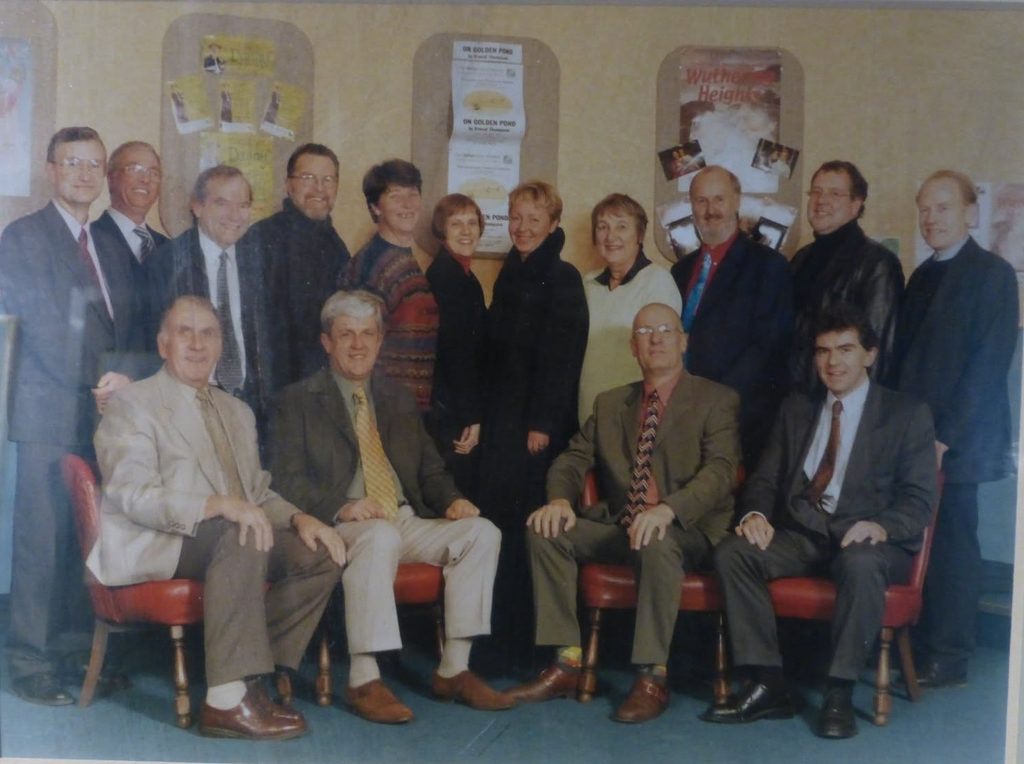
That sense of community is, for John, just as important as what happens on stage.
Over the last 25 years or so, the Lamproom stage has become a place where people can make their first appearance, discover confidence, perform alongside friends and sometimes find a career.
Some of those performers have gone on to professional theatre and television. Others have simply had the experience of standing in front of an audience and finding out they can do it.
“I’m not totally biased because I’m not a Barnsley lad after all, but the amount of talent in Barnsley is incredible. Jack Land Noble. An immensely talented lad who came through the youth theatre here. Laura Pick. She ended up in the West End playing Elphaba. But there have so many others who have had stellar careers.”
Two examples of that local talent lie even closer to home for John. His daughters, Katherine and Gracie, are both actors.
Katherine went to RADA in London and forged a career in theatre and television, later becoming widely recognised for her television work including playing Becky McDonald in Coronation Street. Younger sister Gracie studied at the American Academy of Dramatic Arts in Los Angeles and has worked on American stage shows, British TV programmes and many shows at The Lamproom.
As well as the girls, John and Anne also have two sons. Sean is a doctor in South Yorkshire after training in America, and Chris has built a career as a state certified contractor in America.
For John, watching his children succeed has been one of life’s great rewards and his pride in all four is obvious, but expressed in a characteristically understated way.
“I’ve seen my kids do things that I couldn’t.”
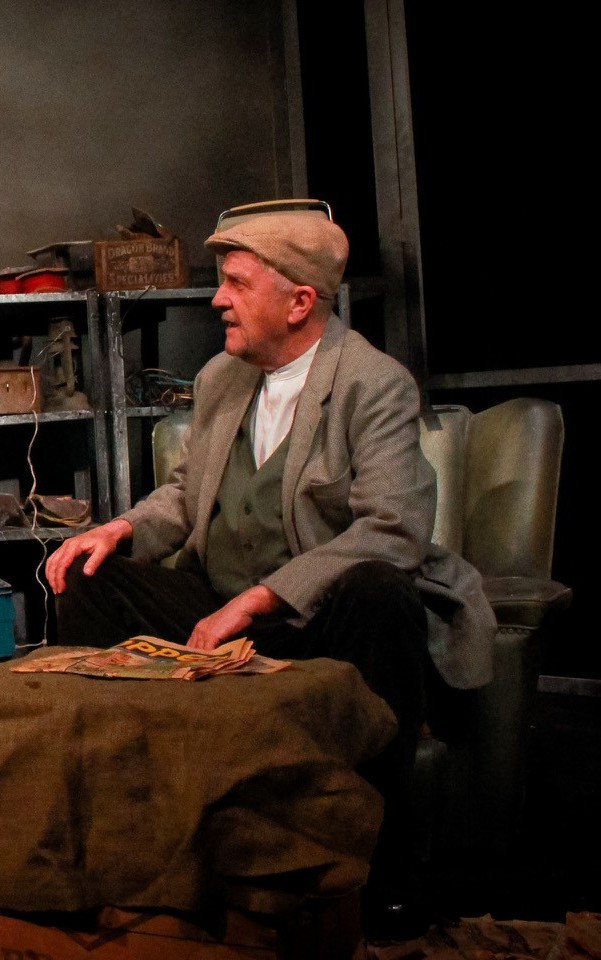
He also praises wife Anne as the reason he’s been allowed to pursue an extraordinary number of interests without ever being held back.
“My wife deserves great credit. She never badgered me or pestered me. She really is the most glorious person that ever lived. But I would say that, wouldn’t I.”
Together they have lived a full and happy life, with many winters spent over in America.
John became fascinated with the country as a child, inspired by American television and the idea of a place where anything seemed possible. Once he and Anne could afford to travel, they did, eventually buying a home in Port Charlotte, Florida, in the 1980s.
He’s driven across much of America and jokes that he has visited almost every state, collecting them ‘like kids collect cigarette cards’.
John and Anne still enjoy their trips to America to see son Chris and his family who live over there. But family life now revolves around their home in Britain’s only palindrome, the village of Notton.
Weekends are never quiet, with seven grandkids coming to visit Nanny Annie and Jonty.
“They always come on a Sunday when I’m trying to watch the match. And the girls, for whatever reason, are always doing somersaults up at the screen. A pair of legs go by and I’ve missed a goal.”
His front room sounds not too dissimilar from what it’s like watching a show at The Lamproom. Its intimacy is what has kept audiences coming back show after show. It doesn’t feel like a distant auditorium where performers and audience are separated.
John has now stepped back from chairing the theatre trust, although he remains involved as a trustee. The Lamproom has its own life now, shaped by the performers, volunteers, audiences and young people who pass through its doors.
And perhaps that is why, despite everything he has achieved, he doesn’t spend much time talking about himself as a success story. He did what he thought Barnsley deserved. When he saw something missing, he tried to create it.
“It’s been exciting, it’s been full, and it’s been rewarding. When I eventually turn my toes up, for an immigrant boy I know I’ll have done alright for this town. But it’s also done a lot for me.”