


With our nature correspondent, Harriet Day
Wondering where to escape this winter? For nature lovers and anyone who adores spectacular scenery, the Cairngorms National Park in Scotland offers a seasonal getaway with a difference.
For those travelling north from South Yorkshire, the reward is a landscape of frosty woodlands, sparkling lochs and rugged mountains. On snowy days, the high plateaux can feel like stepping onto an Arctic tundra, while the ancient pine forests below provide shelter for some of Britain’s most fascinating wildlife.
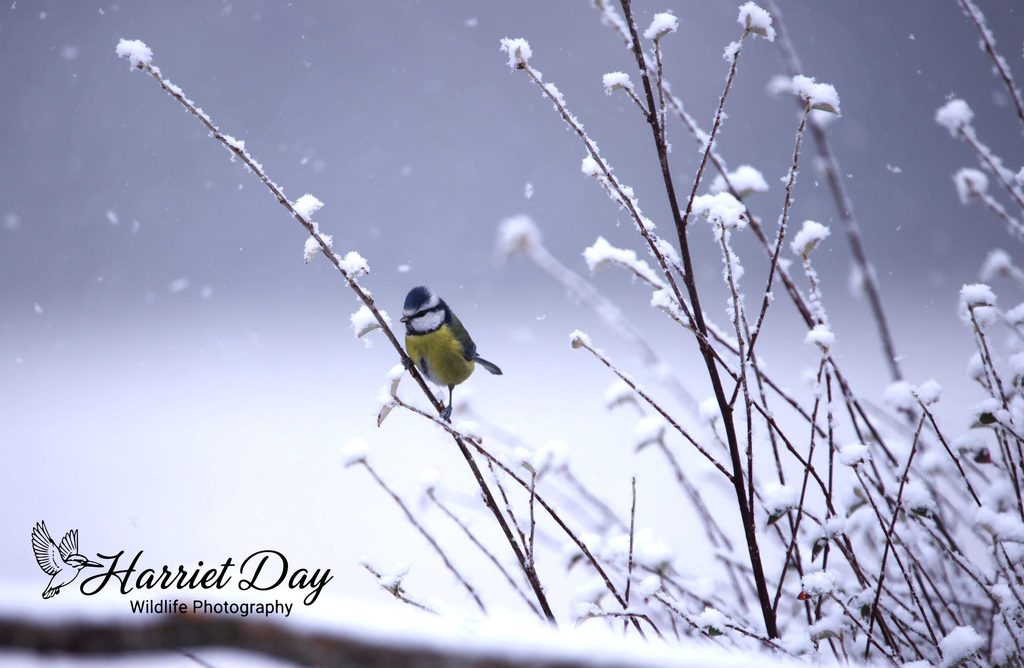
As a wildlife photographer, I am always looking for that special moment and the Cairngorms never fails to surprise me, especially at wintertime when those moments seem even more magical.
A fleeting movement of a bird among the trees, a squirrel poised on a pine branch, or the unexpected sight of an animal perfectly camouflaged against the landscape with its delicate footprints in the fresh snow.
So, if you are looking for a winter break with a difference, here’s why you should consider swapping the usual festive bustle for Scotland’s wild heart.
Masters of the mountain
High on the exposed mountain slopes, wildlife has developed remarkable adaptations to survive the winter.
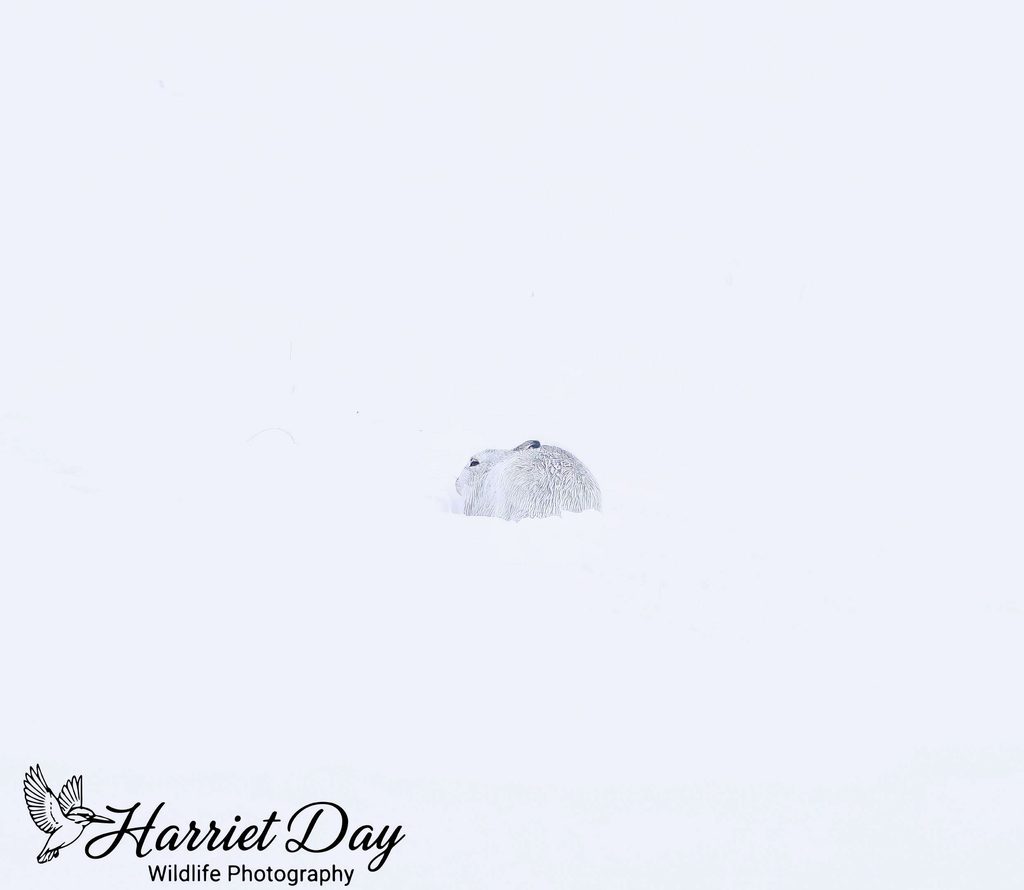
The mountain hare is a wonderful example. Britain’s only native Arctic mammal, it grows a thick white winter coat to blend into snowy surroundings. Look carefully among boulder fields and rocky hollows, where these elusive animals huddle up together to conserve heat.
The ptarmigan is equally well adapted to life at altitude. Its feathered feet act like natural snowshoes, while its winter plumage provides remarkable camouflage making them almost invisible until they burst into flight with a distinct, rasping call.
Keep watch, too, for snow buntings, small snowflake-like birds that forage for seeds along exposed ridges. A pair of binoculars and a little patience can make all the difference.
Into the ancient pinewoods
For a gentler wildlife adventure away from the mountain winds, head into the Caledonian pinewoods of Rothiemurchus, Abernethy or Glenmore with towering Scots pines, quiet trails and the sounds of nature all around.
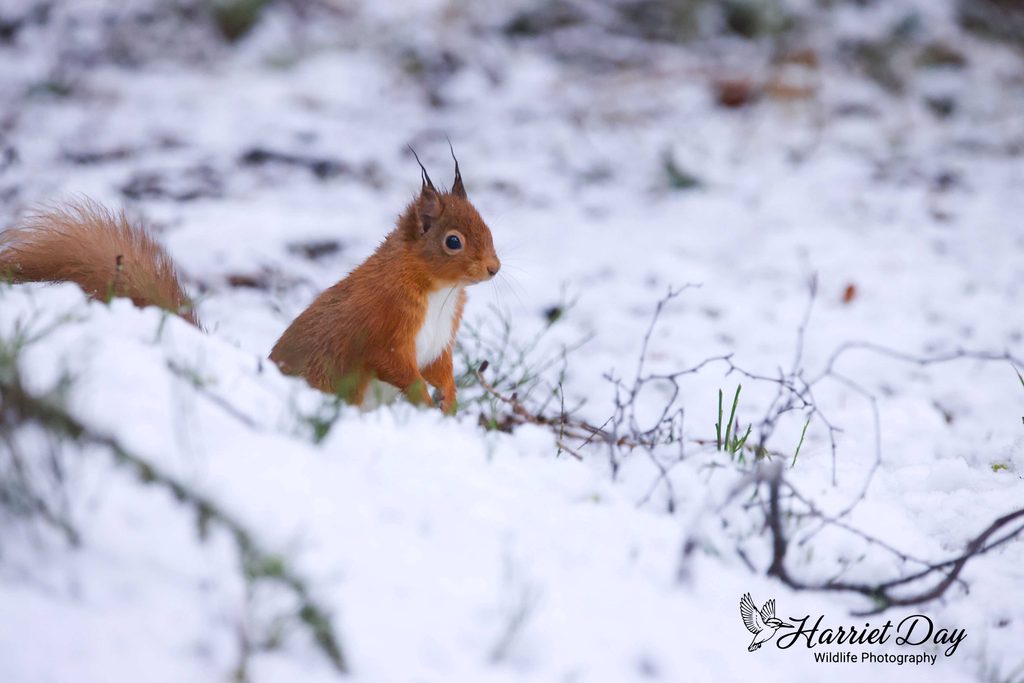
Look among the branches for the crested tit, a distinctive little bird with a striking pointed crest. Red squirrels are another delight, their russet coats standing out against dark pine trunks as they search for food and leap between branches.
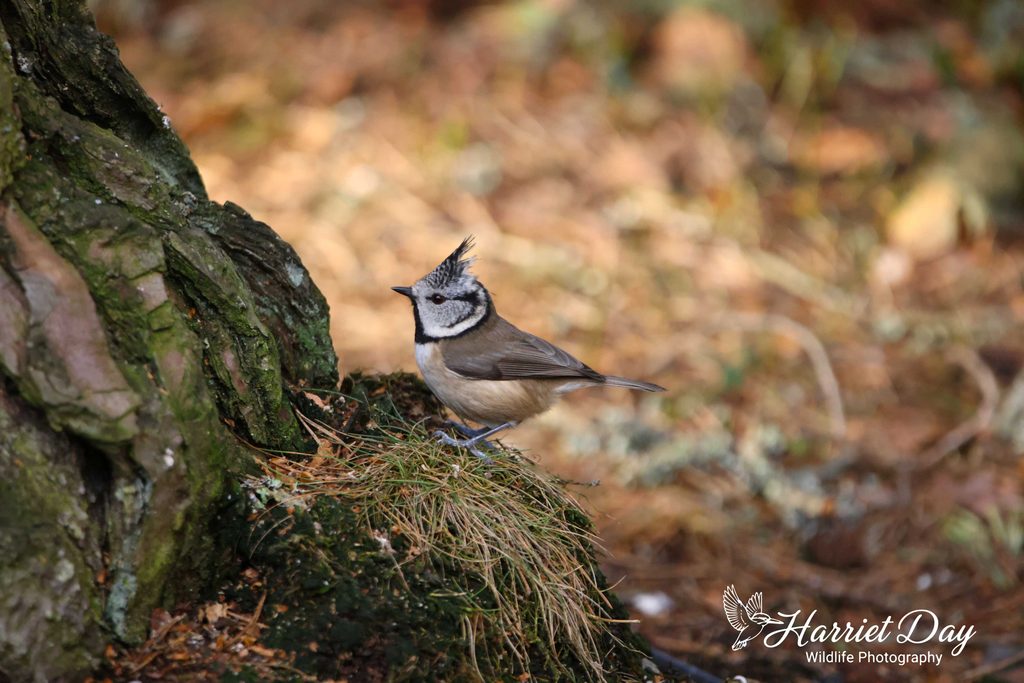
Crossbills are fascinating to watch, too. Their unusual, crossed beaks are specially adapted for extracting seeds from pine cones.
Early mornings are particularly rewarding, when the woodland is quieter and wildlife is more likely to be seen going about its daily routine.
Red deer and festive reindeer
No winter visit feels complete without looking for red deer. These magnificent animals are synonymous with the Scottish Highlands, and seeing them against a backdrop of snow-covered hills can be unforgettable.
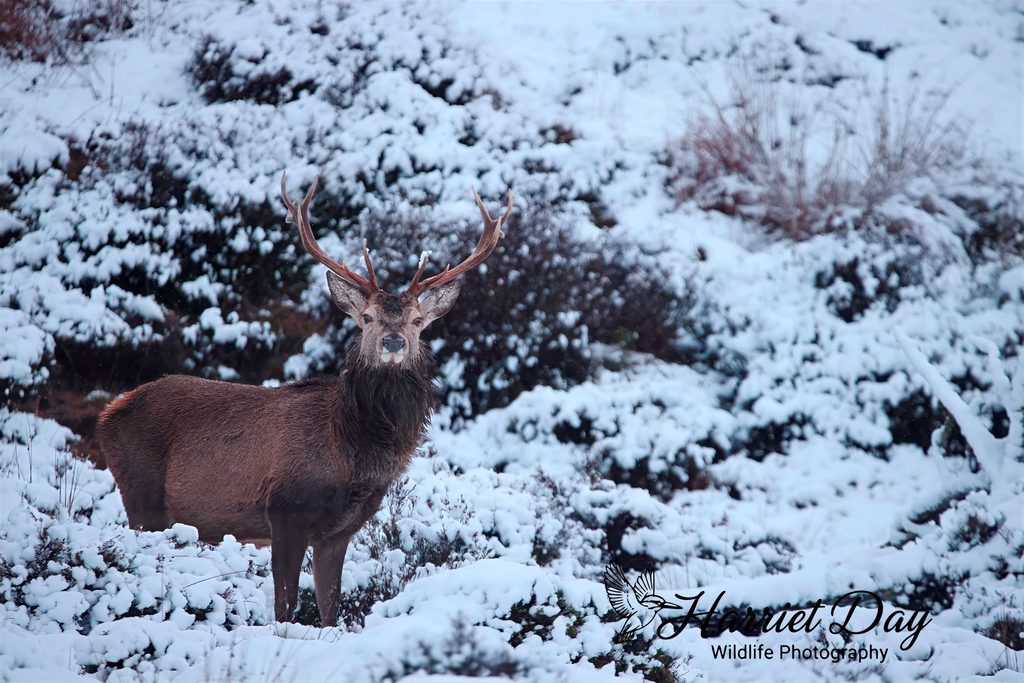
Scan open slopes from a suitable viewpoint, using binoculars to observe from a respectful distance. Golden eagles also inhabit the wider Highland landscape, although sightings are never guaranteed.
For a seasonal experience, visit the Cairngorm Reindeer Centre at Glenmore to see Britain’s only free-ranging reindeer herd. The centre offers guided hill visits, giving visitors the opportunity to meet these remarkable animals in their Highland home.
Essential Winter Wildlife Tips
- Give Wildlife Space: Cold temperatures mean animals are conserving vital body heat. Always observe from a respectful distance using binoculars or a telephoto lens.
- Winter Safety: Mountain weather changes rapidly. Pack microspikes or crampons, extra insulated layers, waterproofs, and a headtorch for short winter daylight hours.
- Hire a Local Guide: Joining a local wildlife guide increases your chances of spotting well-camouflaged species safely while learning expert tracking techniques. But is also manageable alone, though choose routes suited to your experience.