At seven years old, Julie Dalton’s biggest responsibility was taking shiny fifty-pence-pieces off visitors to her family’s newly opened model village in Matlock.
By 21, she’d been given the keys to the family’s second tourism attraction, a theme park in Warrington, and told by her dad to crack on and run it.
Today, some thirty-odd years later, she’s managing director of the Gulliver’s Theme Parks group, responsible for managing four resorts, multi-million-pound investments, hundreds of accommodation units and over a thousand staff.
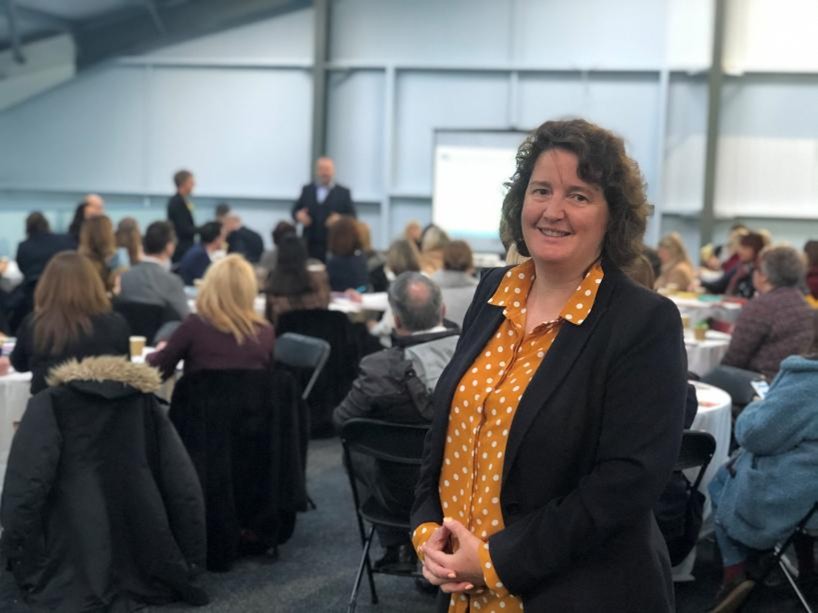
Her job is to create memory factories where parents feel nostalgic and children feel magical. Few understand that better than Julie.
It’s in her blood, the very bones of her. She didn’t grow up going to fairgrounds or theme parks. She grew up in one: Gulliver’s Kingdom in Matlock Bath.
While her classmates spent their weekends and school holidays at the park or playing with friends, Julie spent hers serving customers and washing pots in the café, putting tin after tin of her mum’s Victoria sponge cake mixture in the oven, and dragging trolleys loadened with chips up and down the hillside.
It was her playground, her classroom, her everyday life. And it made for an extraordinarily bonkers childhood that other kids could only dream about, filled with tales of elephants, rockets, cowboys and carousels.
That childlike wonder and imagination still steers every business decision Julie makes today.
“There was never a doubt in my mind that this is what I wanted to do,” she says. “I get a kick out of making other families happy.”
She and her family have been making families happy for almost five decades. Julie’s parents, Ray and Hilary, opened a model village called Gulliver’s Kingdom in the 1970s which later became a children’s theme park. Since then, the business has grown to now have three more theme parks at Warrington, Milton Keynes and their newest site here in Rotherham.
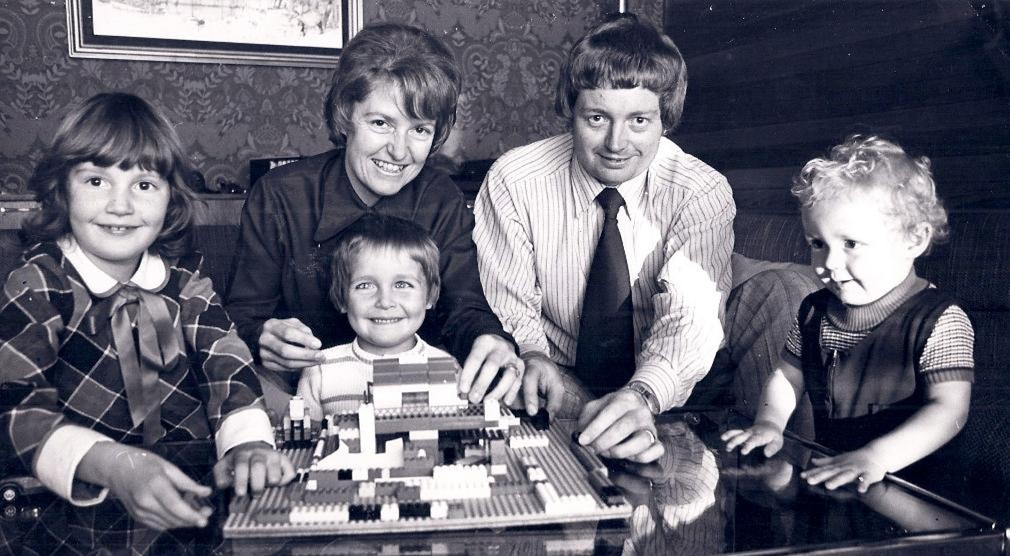
A skilled joiner by trade and a serial entrepreneur by instinct, the business idea was fuelled by Ray’s restless creativity more than any formal plan.
The couple had both been teachers; Ray taught woodworking and Hilary was a primary school teacher.
However, with an active brain and industrious hands, Ray left teaching behind to focus on woodworking, setting up a small workshop that made wooden bowls and furniture. This led to him getting a contract to make pallets for Glow Worm boilers, subsequently opening a small factory which increased his cash flow.
As money came in, he acquired and converted adjacent cottages, building the UK’s first timber-framed construction business off the back of it.
When more properties in their hometown of Matlock came up for sale, he bought and converted them into self-catering holiday lets and an Italian restaurant that he and Hilary ended up running.
Hilary was still working as a teacher at that point, and the couple had a growing brood of three children of their own: Julie and younger brothers Nicholas and Duncan.
“Some of my earliest memories are of sitting on a Saturday morning in front of the TV in the holiday cottages while Mum was cleaning them ready for the next guests. In the restaurant, there was a section that had a playpen for me and my younger brothers to stay in while Mum and Dad were working.”
In what little spare time he had, Ray was also a model builder, tinkering with miniature houses in the workshop. These tiny worlds that began as a hobby unknowingly became the foundation of a multi-site theme park business.
“Dad found a piece of land in Matlock Bath, Victorian pleasure grounds that had been left to go to rack and ruin. It was 15 acres and he bought it to put houses on, but the council told him he could only build four. So, he went back and said what about a hundred houses but miniature?”
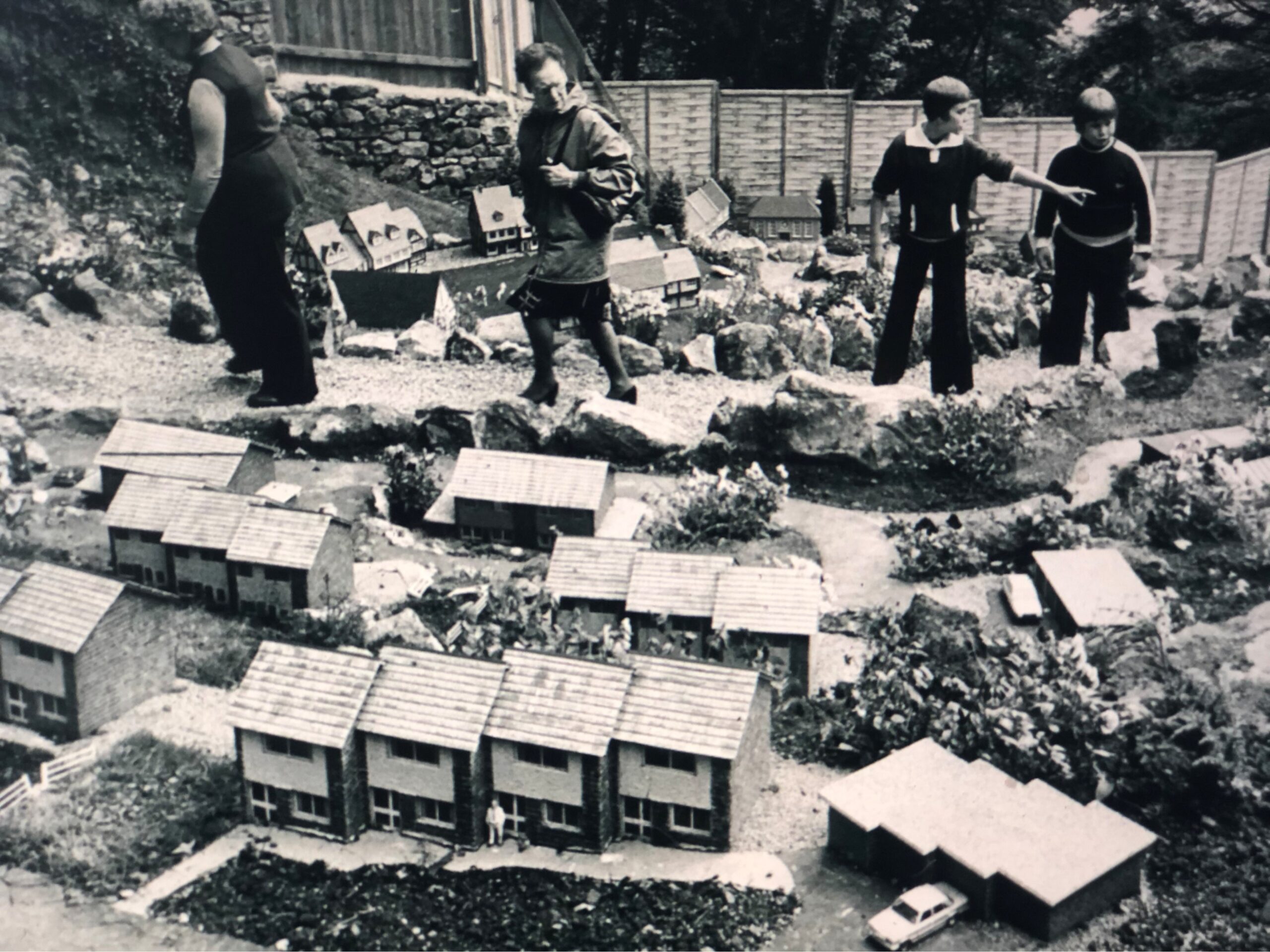
And so became the Phillips’ family’s venture into the leisure industry. Ray gathered a small team of people to help him make the models and together they built a model village on the hillside overlooking the picturesque Derwent Valley.
The site opened in 1978 as Gulliver’s Kingdom, inspired by the island of Lilliput from the Gulliver’s Travels novel which was inhabited by six-inch-high people.
A young Julie would sit in the ticket office taking entry fees or help her mother out in the café.
It was never meant to become a theme park. Yet the children who visited kept asking the same question: “What can we actually do here?”
Rather than dismissing that, the family listened. They put in a land train followed by a carousel and a few second-hand rides and gradually the site grew into an imaginative dreamland of storytelling and interactive play.
That’s become a guiding philosophy that still underpins the business: build what families want, not what planners assume they need.
“In the early ‘80s, a seven or eight-year-old would have been very happy with a little carousel or the ladybird ride, but these days an eight-year-old wants to do 360-degrees. We continue to change in the face of what kids need and we’re nimble enough that we can adapt quickly.”
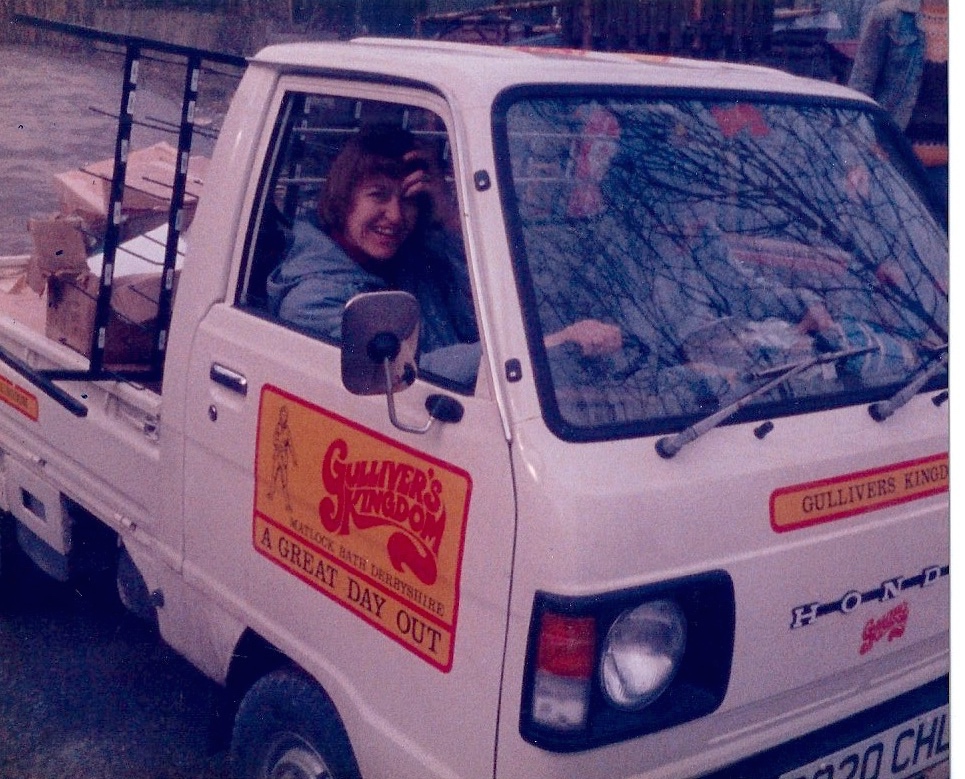
When Julie lost her mum a few years ago, she found TV footage from an interview not long after the model village opened. The family were asked if it was ever going to be finished, and Hilary said no.
“Mum said it will never be finished, it will always be growing and there will always be a dream to follow. That was just a few models on a hillside, but even then she knew it would never stop.”
Hilary was right. Life at Gulliver’s never stood still. There was always something new and exciting happening, especially in the early days as the family found their feet.
“As the business grew, we grew with it but the business also grew because of us. I remember I was into roller skating, so Dad put in a roller rink. The boys liked BMXing so there was a BMX track. On the rare occasions we did have a day out as a family, it would be to scope out ideas. We’d see a really good play fort and then come back to Dad building one.”
Julie remembers her school friends looking at her like she’d just arrived from Mars when she announced that the Astroliner rocket that zoomed past the playground was hers. They ended up having a school trip the following week to see it with their own eyes.
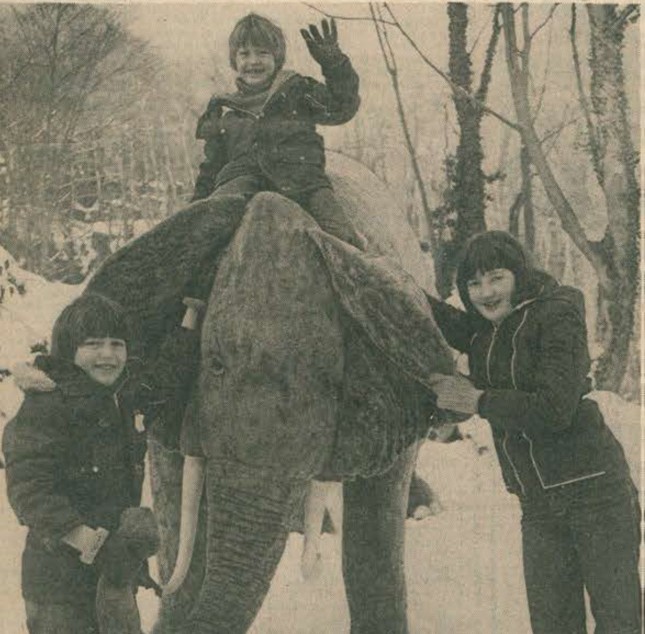
Or the other family folklore of the life-sized furry elephant that lived with them in Matlock.
“In the very early days, I was heavily into costumes but you couldn’t buy them off the internet then, so Dad went to London to buy some from a costumier. In a little store next door was this furry, full-sized elephant that had previously been in Harrods’ window.
“Well, Dad said we must have the elephant as it would make an amazing display. So, we went back with the trailer to bring it home to Matlock. But it wouldn’t fit through the door.
“It wasn’t a case of worrying about the elephant in the room, but how to get it in the room! Dad ended up building a whole building for it, then built a model fairground to go with it.”
Ten years after opening Matlock, it became clear they were outgrowing the site. But if they were to expand, they’d have to take the business to the people.
Ray looked at potential new locations in up-and-coming towns, settling on Warrington where he bought an old 79-acre RAF base on which to build their bigger – and flatter – second site.
He and Hilary built it from the ground up, camping on a sofa-bed in the office until Gulliver’s World was ready to open in 1989.
Much of it they built themselves, with Julie’s younger brother Nick building their famous wooden rollercoaster at just 18.
“He’d been building coasters since he was knee-high to a grasshopper. It was all done properly with designers and calc testing, but Nick was the one scrambling all over it heaving pieces of wood into position.”
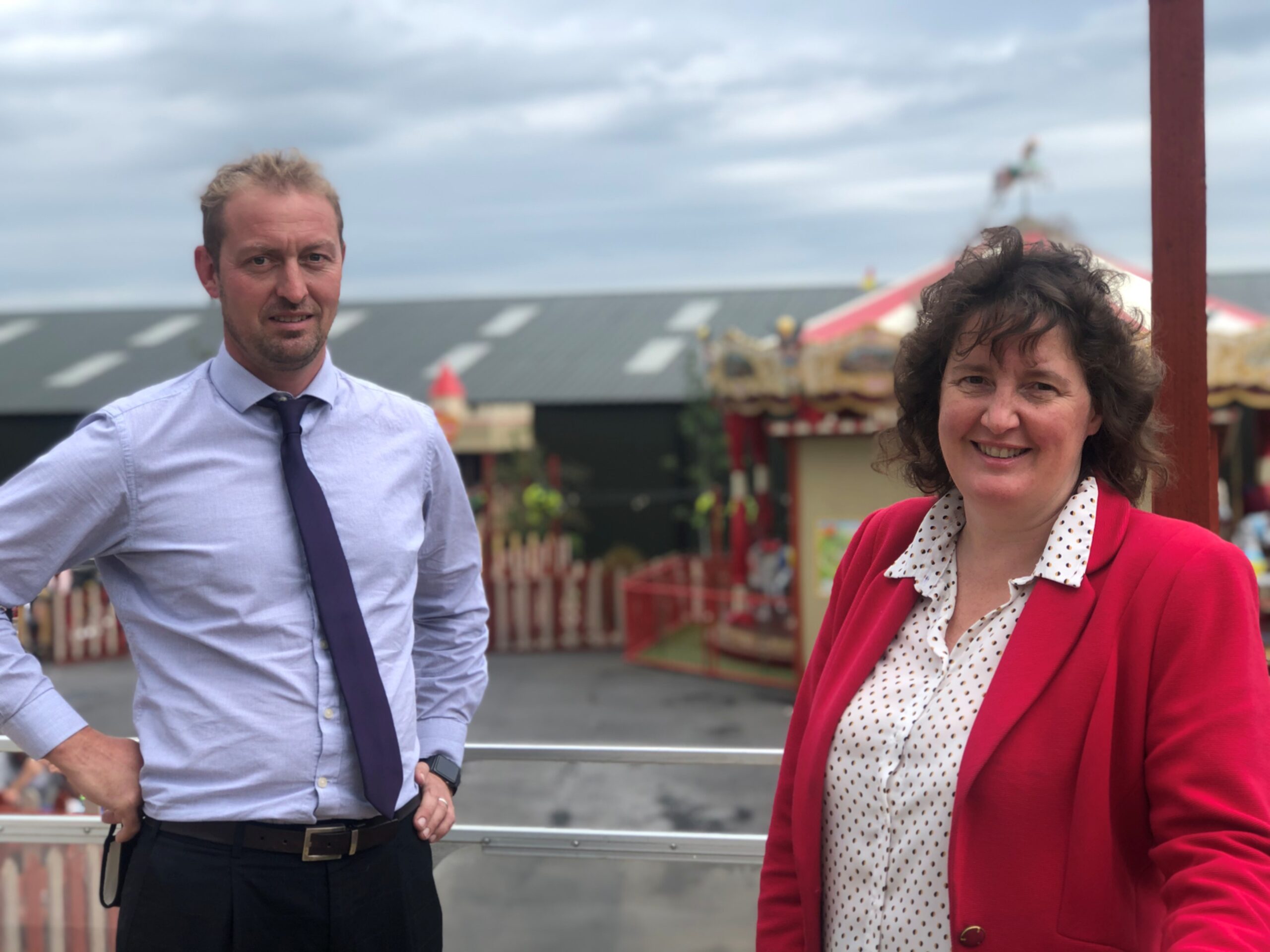
Today, Nick works alongside Julie as development director. They’ve been through it all together, right from when Ray gave Julie the keys to Warrington in 1991 just six months after she’d returned home from studying a hospitality management degree at university.
“The manager walked out. So, Dad gave me the keys and a radio and said, ‘Off you go then, love.’ Nick followed me not long after and we lived together in a flat above where Mum and Dad started it off on that sofa bed.
“Nick built it and I ran it. And then he built a bit more and I ran it. We started with a catering supervisor, a ride supervisor and two maintenance staff. Everyone else was seasonal. Now we employ over a thousand staff, so it’s a very different business to what it was back then. Would I give my 21-year-old the keys and say, ‘Off you go’? You simply can’t do that now.”
Julie and Nick have continued to scale the business over the last three decades, facing thrilling highs and challenging dips not dissimilar to that wooden rollercoaster.
A third site, Gulliver’s Land, was opened in Milton Keynes in 1999, followed by the fourth, Gulliver’s Valley, here in South Yorkshire in 2020.
When the recession hit, they branched into two-hour attractions like splash zones, climbing centres, farms and their dino-farm eco park at Milton Keynes to cut entrance prices down a bit.
And when Julie had her own children, she followed what her parents did, using their own family as their target audience. When son Louis was into Nerf guns, she opened a blast arena after becoming sick to the back teeth of following him round the house picking up bullets or the family dog being traumatised by stray ammunition flying past its ears.
Becoming a mum also changed how she saw the business working for families.
“You’ll notice there’s a toilet block and baby change in every single area of every park. You don’t think about those things until a young child tugs on your leg to say they need a wee-wee. We also have play areas in the different ride sections for kids who don’t want to go on a ride or who aren’t big enough but still want to let off steam.
“When we built our first hotel, we made sure they were all family rooms and not standard doubles because where does the cot go or the pushchair? We’ve all done it – climbed over the kids to climb over the cot to get into bed and be lying in bed at 7pm not making a noise so the kids don’t wake up.”
Julie says the accommodation side was a real step change for the business. What started as six tents on a campsite has now become bespoke hotels and themed units sleeping over 2,000 people a night.
While it might look different from what it did in the ‘90s, Gulliver’s ethos is still very much the same. A place for families that’s affordable, inclusive and magical.
“We’ve never gone away from being for families, but we’ve been able to keep reinventing what a family needs. We’ve survived because we’ve never done the biggest, the tallest, the fastest. You’ll never hear me say how many millions of visitors we have because that’s not a game I want to be in.
“We want to be in a family’s life from their children being two to twelve years old. We want to be their Easter, summer and Christmas experiences.”
December is now their second-busiest month of the year, something Julie says they’d have never imagined ten years ago. They used to just open seasonally before Julie had the idea to run a Christmas lunch event in a marquee at Warrington.
That idea has since snowballed into Santa’s grottos, New Year’s Eve fireworks displays and the popular Land of Lights winter illuminations.
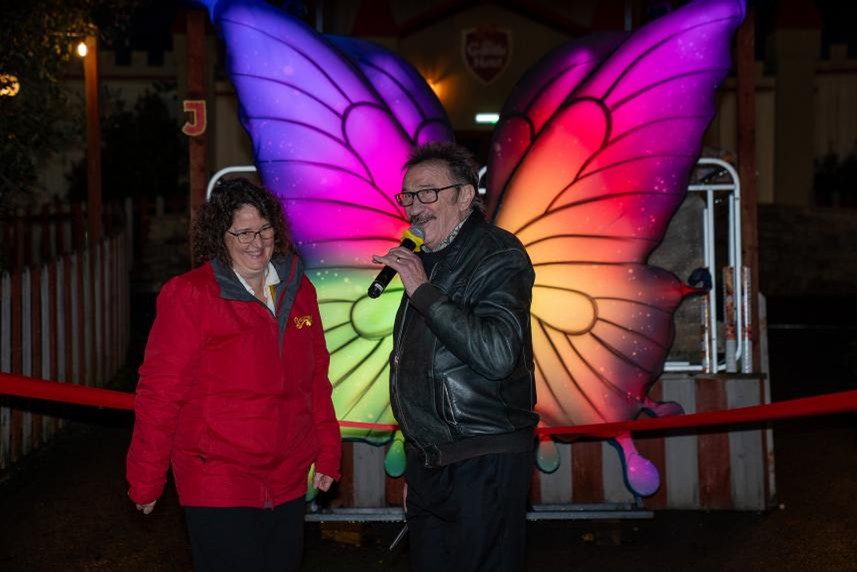
“One of my most magical moments is Christmas Eve because you know you’ve handed out twenty to thirty-thousand bags of landing dust and that, across the country, there will be lots of children sprinkling their Gulliver’s landing dust to guide Santa and his reindeer. My kids are now 21 and 23 but we still go out and do it.
“You realise that you’re a part of someone else’s family traditions. And that’s why I get out of bed every morning and drive across the M62 to stop in a caravan on site.”
Caravan life is all too familiar for Julie. She and her family spent weeks living in one at Rother Valley when the first Covid lockdown threw the five-year project into doubt just seven weeks before opening.
Building Gulliver’s Valley had already been their most nerve-wracking decision to date, so the country on shut down mode only added to the stress.
They’d initially looked for a 50-acre site for their fourth park and ended up with somewhere five times that size. As a brownfield site, they also had to get their heads around its mining legacy and the legalities that come with it.
“It had already been through two lots of planning for a water sports park and a Chinese theme park. Then this mad woman walked into the chief executive’s office and told them we wouldn’t be bringing in tens-of-thousands-of-pounds of architects in as that’s not what we do. We build theme parks.
“It’s also not like a house where you can draw it on plans and know exactly what you’re getting. They needed plans for everything – including the dinosaurs. When I told them they move and we couldn’t draw plans for that, it was blowing their minds so I had to take the council’s planning team to Milton Keynes to see the dinosaurs for themselves. The lead planner ended up climbing one to sit on its head.”
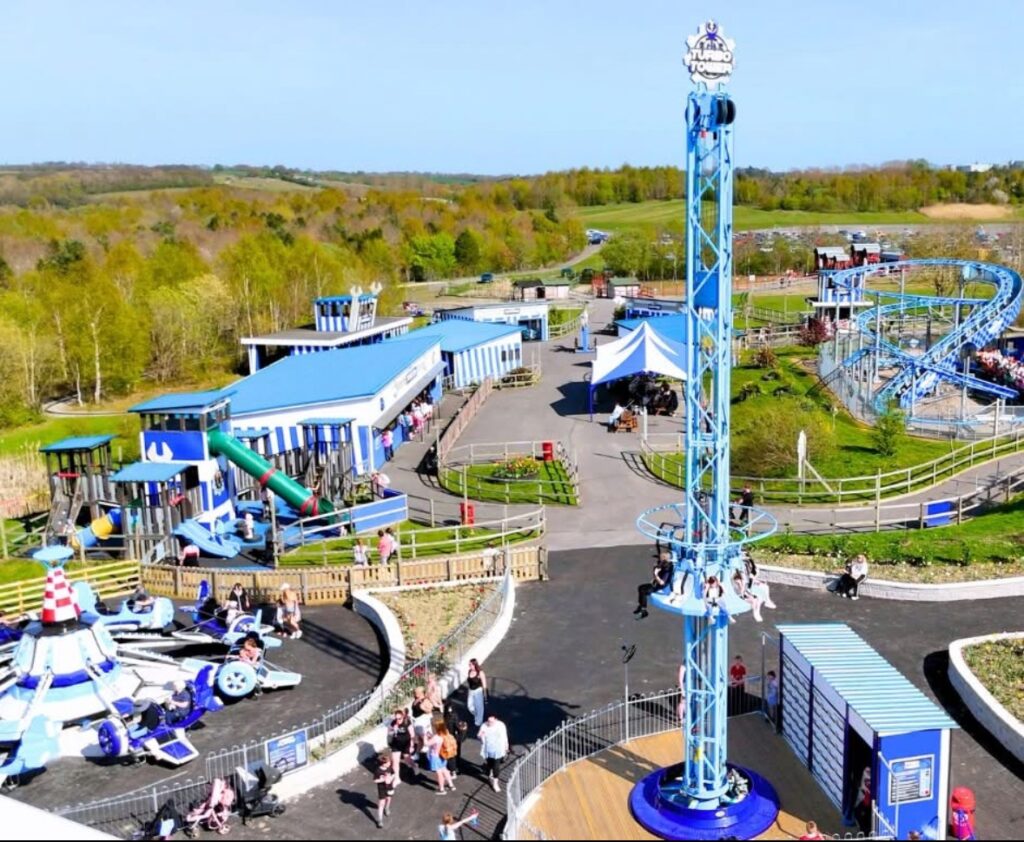
Planning passed and the mammoth task of building the site began. And it was all going swimmingly until early 2020 when the pandemic was announced and everyone was told to go home, leaving the park unfinished.
“I was brought up in a very specific way. If you can’t afford it, you don’t do it. You make the money and then you expand. We’d been saving until we’d got our war chest, everything had been costed and the budgets were doing well, and the last bit of expenditure was the kitchen equipment and tables and chairs that would be paid for from the Easter takings of the other parks.
“Obviously that didn’t happen and we had no war chest left. We still needed to pay for security, pre-sales were getting refunded and it reached a critical point where we had no money. We have no debt, and I wasn’t about to get into debt to finish this place.”
The caravans had just been delivered so Julie and her kids bunkered down in one, Nick and his family in another, with a handful of staff also working and living on site to get it finished.
Julie spent that glorious summer reupholstering and repainting 900 chairs, some of which were almost forty years old that she’d taken from their Matlock hotel.
Brother Nick is a trained electrician, so he finished off the electrics. Julie’s son Louis, who was a 17-year-old A Level student at the time, installed the cables for their internet, while younger sister Emily helped her mum with painting.
And they all took it in turns to water the plants that Julie had dug up from the woodland area and replanted around the site.
“It was a very different way of finishing a site and the most stressful time of my life, but it also came in cheaper as we’d got no money. It felt like we’d gone back to 1978 again when we opened Matlock as a family.”
Doing it themselves is the norm at Gulliver’s team. Nothing is outsourced. There are in-house workshops for everything from metalwork and fibreglass to electronics and animation. They make their own costumes, record their own show and do their own artwork. Julie goes out and buys all Father Christmas’s gifts each year and was the brains behind the group’s mascots, Gully and Gilly Mouse and their Christmas character, Candycane the elf.
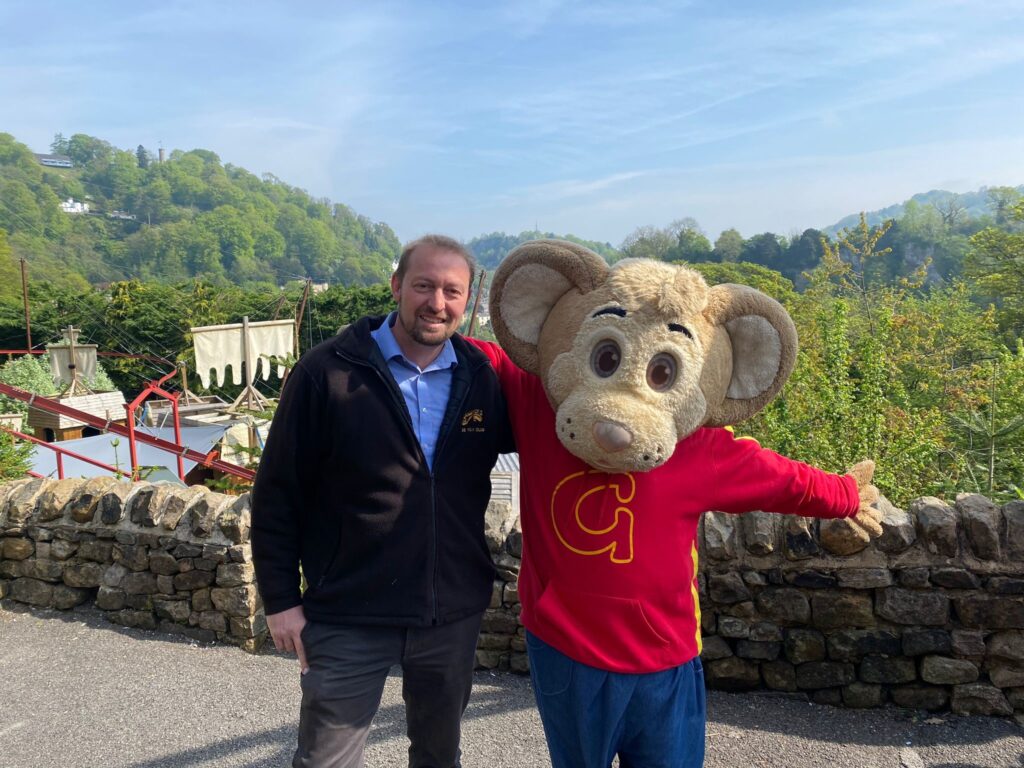
“We do it differently to other businesses and we give people opportunities here. Most of the workshop team started off with me on the rides as teenagers and we’ve trained them up via our in-house programmes. Some have been here for 35 years and they’ve come through with us as our extended family. This entire site was built by local people, not contractors we shipped in.”
Education and skills progression is as much a part of Julie’s influence on Gulliver’s as the rides and attractions.
She’s developed management, internship and degree apprenticeship programmes across the group, and her own children are doing degree apprenticeships with Merlin to get that hands-on experience and work-ready skills that employers like their mum are after.
Julie has also been influential in launching the immersive Skills Street experience at the entrance to Gulliver’s Valley for children to explore career pathways and see what opportunities they have on their doorstep.
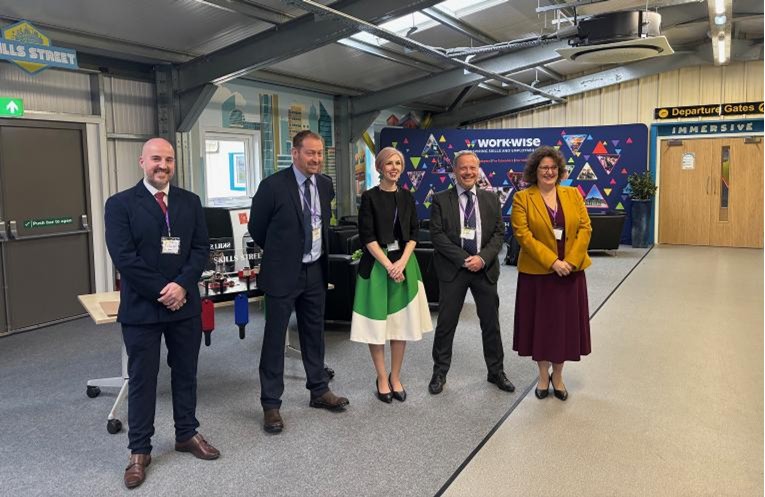
“Kids don’t know what they don’t know. Careers advice doesn’t usually happen until age 15 or 16, by which time they’re doing GCSEs and have decided to go to college or do A Levels, often swayed by where their friends are going rather than what they need for their chosen career.
“We’ve got to change the narrative because I’ve been stood on my soapbox for too long. Give me people I can employ. Give me a 16-year-old who’s still got the creativity and drive before the education system knocks it out of them.”
As we finish talking, she mentions that the carousel has always been her favourite ride. Not the fastest or the newest, but the one that keeps turning.
That, in many ways, is what this family business is all about. In an industry built on the next big thrill, their parks have always been about continuity, evolving without losing what made them special in the first place.
And like the carousel, the business moves forward by coming full circle. When the day comes for Julie and Nick to slow down and hand over the reins, the magic of Gulliver’s won’t end.
The riders will change and the platform will keep turning as a new generation adds its own colour to the paintwork.
Previous