
A former hairdresser from Rotherham has swapped taming metaphorical bird nests for monitoring physical ones – turning a hobby for bird watching into a fledgling ornithology career.
As a licensed bird ringer, a wildlife photographer and a story developer for BBC’s Springwatch, Harriet Day is a lesser spotted female in ornithology, a rare woman in a world mainly associated with men.
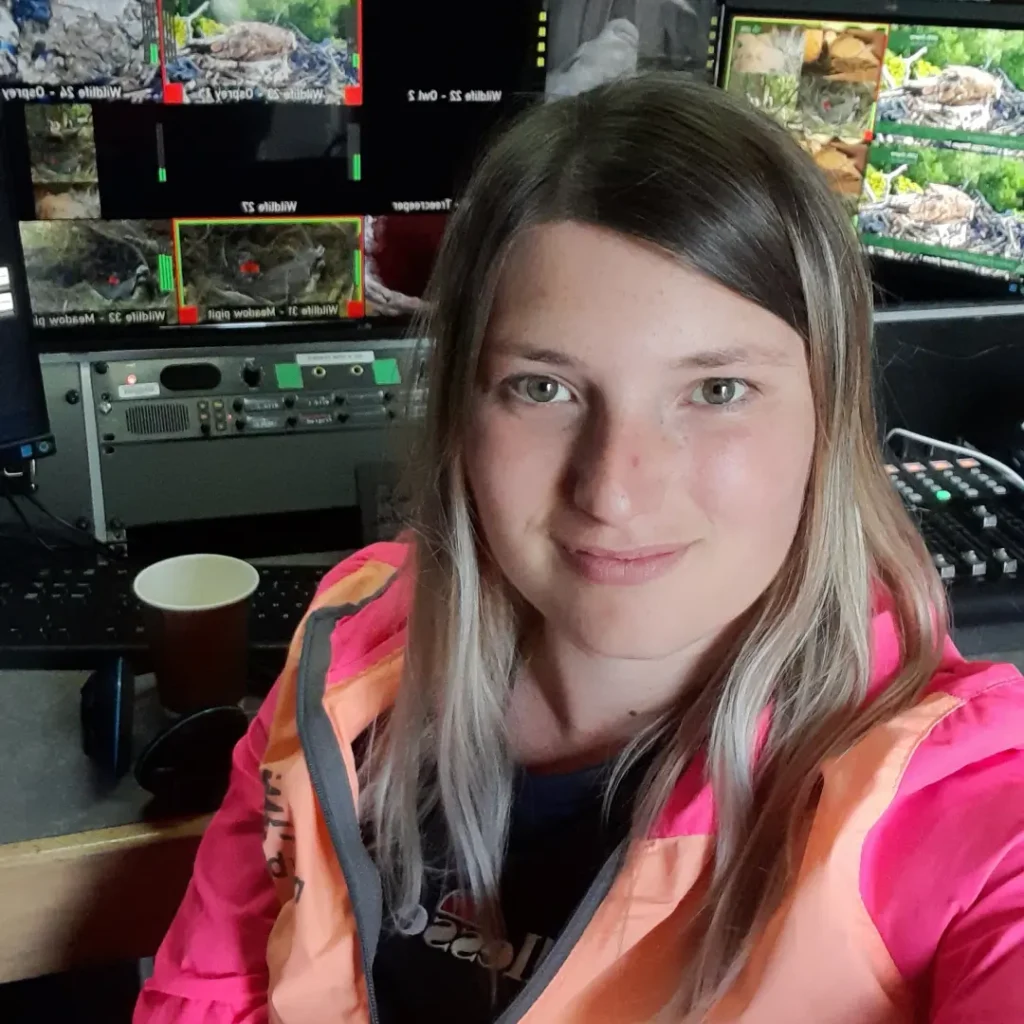
Having been interested in nature and wildlife since she was a young girl, the 28-year-old, from Wingfield, is part of a new generation of younger women embarking on wildlife and conservation careers.
And it’s taken her near and far, from spotting minks and otters at Thrybergh, to capturing beautiful images of stags, hares and black grouse in Scotland, and being one of the first people to ever see a nightjar eat its own young while on Springwatch location in Dorset.
Harriet changed career flight paths last year, leaving behind ten years of working in a salon for a full-time job in ecology. But it all started many years ago with a fleeting glimpse of a kingfisher at Greasbrough dam when she was ten.
Much to her dismay, her parents’ alternating shift patterns meant she’d been forced to go fishing at the dam with her keen angler dad.
Sat bored on the edge of the bank, another fisherman gave young Harriet a huge pair of binoculars to keep her occupied – and she spotted the flash of bright blue and orange of this majestic bird darting across the still water.
This piqued her interest in wildlife spotting, buying an old bridge camera which she taught herself to use.
“I wasn’t very good at it, but I kept trying,” says Harriet. “I prefer to photograph birds as it’s more of a challenge. They’re difficult to capture when in flight.”
As she went through secondary school, wildlife photography remained a hobby alongside ecology and conservation. She trained as a hairdresser, but a busy job in the salon didn’t cut short her interest in wildlife.
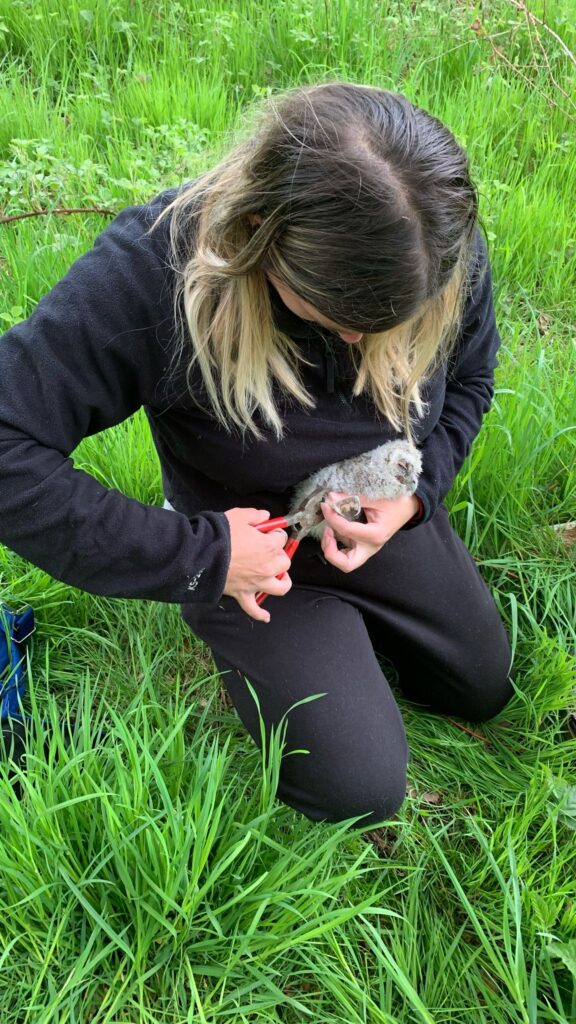
Harriet started volunteering with the British Trust for Ornithology (BTO) as a trainee ringer to monitor our local bird population, particularly waterfowl.
Ringing involves catching birds, putting a small metal ring with a unique identification number around one of their legs, measuring their weight and wingspan, and identifying any attributes such as age, sex, lifespan and where they’ve migrated from.
Harriet’s ‘patch’ for ringing includes sites like Kilnhurst Ings, Blackburn Meadows and Centenary Riverside nature reserves.
“We go out in the early hours while the birds are in roost and put mist nets up in the dark. I once came across a goldcrest, which is the smallest bird in the UK, that had come over from Norway.”
Ringing also brought to Harriet’s attention the declining population of swallows in Rotherham, and she sold her photos to fund a project to find out why.
“Greasbrough Farm only had one breeding pair while over in Whiston there were ten. I checked the poo samples which showed the Greasbrough flock were feeding their chicks a diet that was causing malnutrition and killing them. It was around the time of the wildfires we had so their habitat had been impacted.”
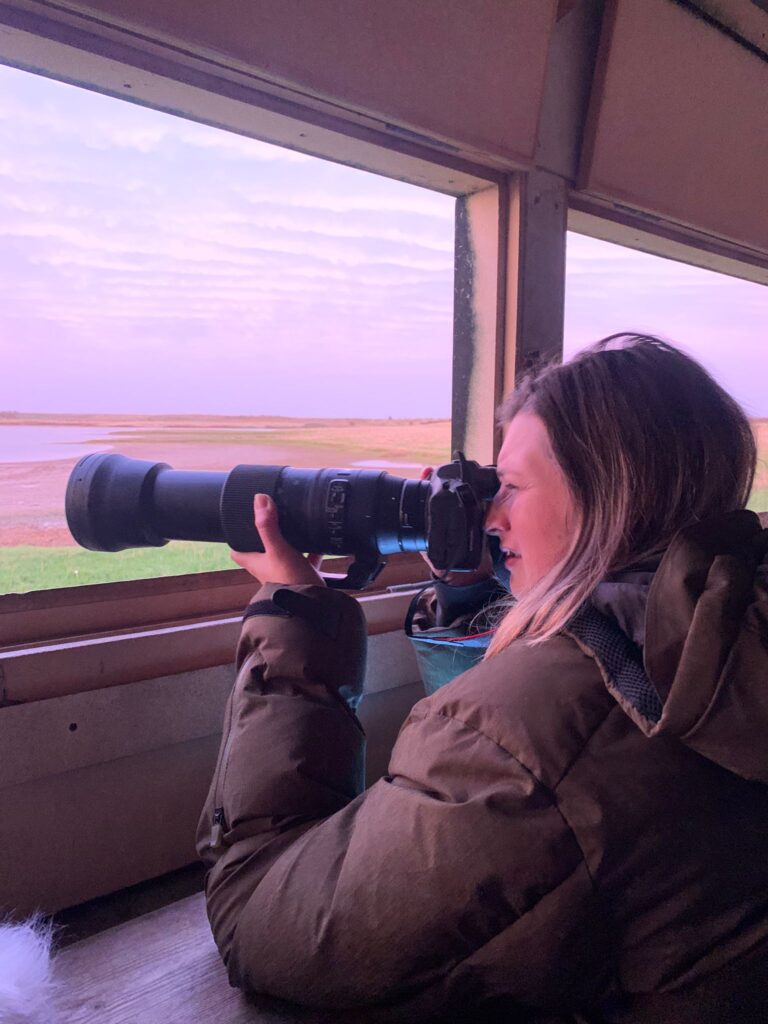
As well as her photography and bird ringing, Harriet also started writing articles for nature magazines. This led to her being approached to join the Springwatch team in 2023 after bumping into TV presenter Iolo Williams while having breakfast in the Cairngorms.
She’d been there to take photos and write about the trip and the pair ended up chatting for ages about her voluntary work, after which the Welsh ornithologist said he’d put her forward for the BBC show.
Harriet spent a month down in Dorset at RSPB Arne as a story developer, doing 12-hour shifts in a van watching the remote cameras that were filming 30 nests. She’d then have to write scripts for Chris Packham and Michaela Strachan based on what footage they’d captured.
“The biggest thing to happen in that four weeks was seeing a nightjar eat its own young. I was just about to finish a shift when the female turned its back on the camera to do it. Me and my shift partner Jack were the first people to ever see it happen. They usually live off insects such as moths, so nobody has ever witnessed cannibalism before.”
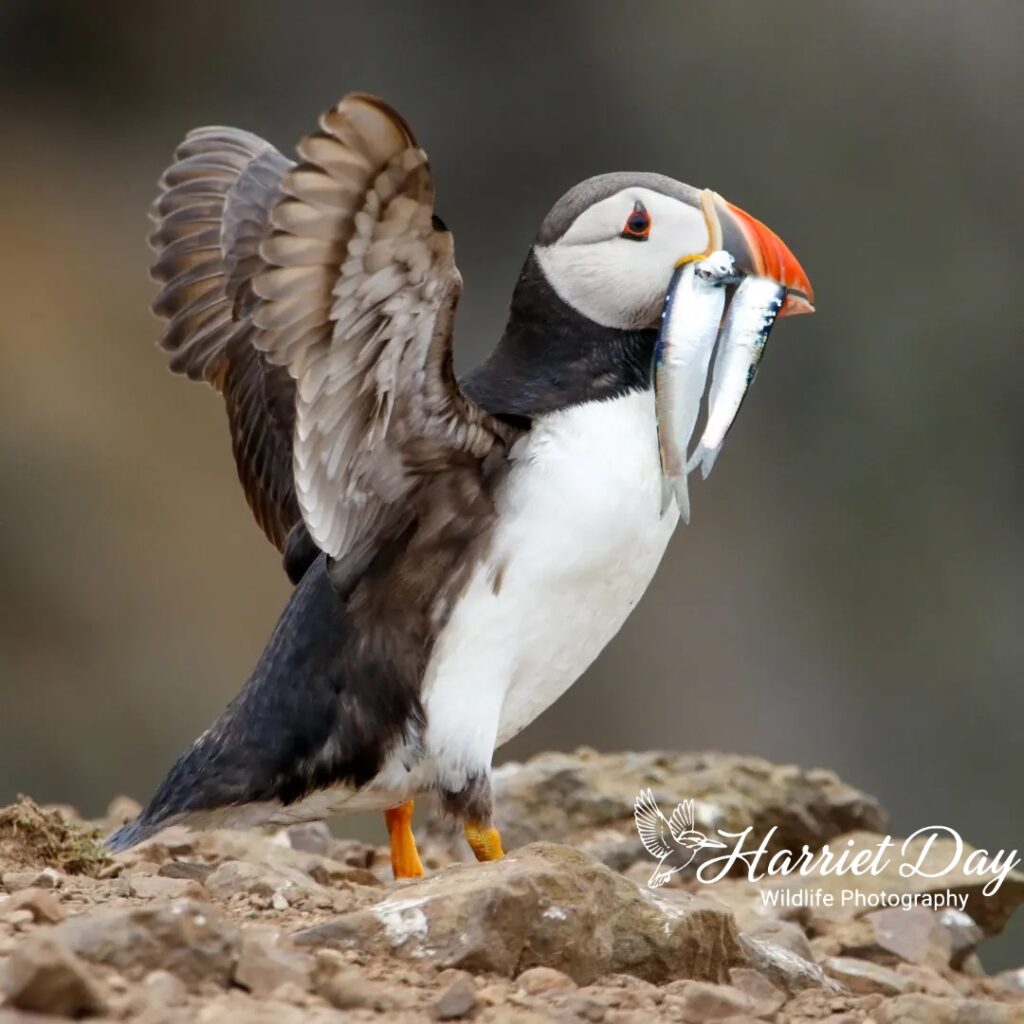
Closer to home, Harriet now campaigns for wildlife conservation across South Yorkshire, monitoring birdboxes for sand martins and birds of prey including Tawny owls.
She can usually be found in camouflage or a pair of waders while she puts her remote wildlife cameras out.
We’re going to be working closely with Harriet throughout the year to introduce a new nature column to Aroundtown Magazine. Harriet will be writing seasonal articles looking at wildlife and ecology in our local area, so keep an eye out in future editions.
In the meantime, to see more of her work check out her Instagram account