

A world-first virtual reality training programme is set to transform how eye retrieval specialists are trained in the UK, potentially speeding up access to sight-saving corneal transplants.
Developed by NHS Blood and Transplant (NHSBT) through its Tissue and Eye Services and digital learning teams, the VR programme is reducing training time for new eye retrieval staff at their Barnsley centre in Dodworth from up to six months to just 12 weeks.
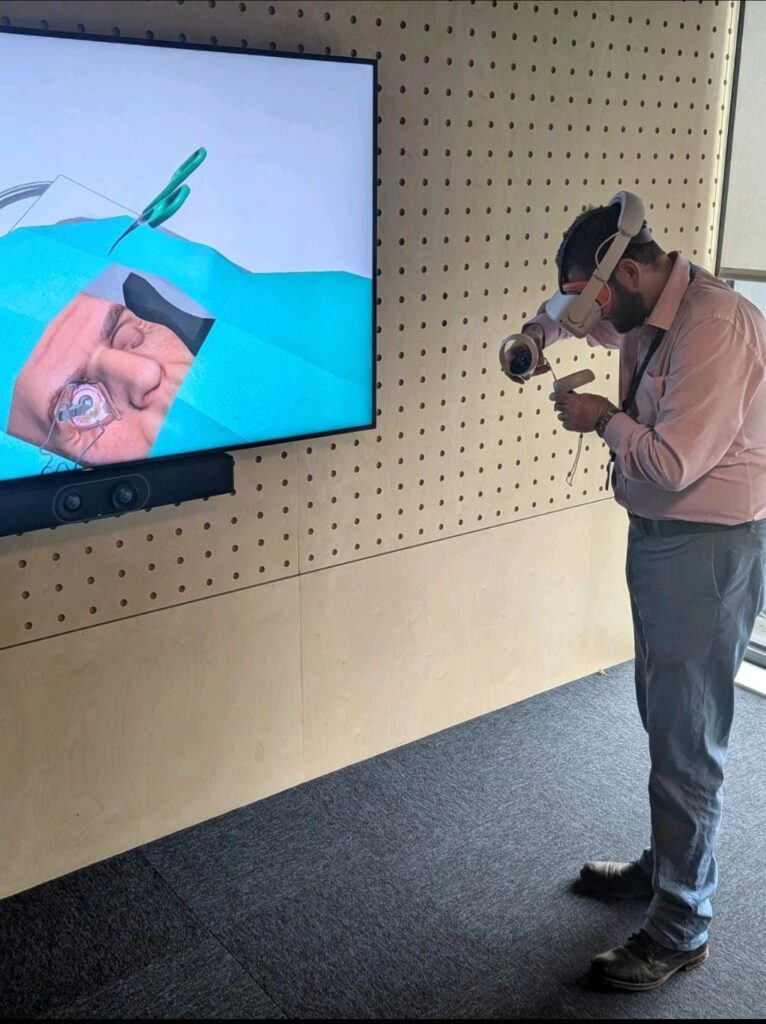
The programme combines immersive technology with hands-on experience to prepare trainees for the sensitive and highly skilled work of eye retrieval. It includes a 180-degree stereoscopic film showing a real-life retrieval, a 360-degree virtual tour of a mortuary environment, practical simulation using model heads and artificial eyes, and a VR module with interactive feedback.
For new recruits in Barnsley, this means their first exposure to the mortuary setting and the retrieval process can happen in a supported, controlled and realistic way before they carry out the delicate and intricate procedures on donor eyes. Trainers say this helps build both technical ability and confidence more quickly.
More than 3,500 people in England are currently waiting for a cornea transplant, an operation where damaged or diseased corneal tissue – the clear, dome-shaped layer at the front of the eye – is replaced with healthy donor tissue.
It can restore sight or significantly improve vision for people affected by conditions such as corneal scarring, thinning of the cornea, infections, or inherited eye diseases. For many patients, it can mean a return to reading, driving, or other everyday activities, so timely access to donated tissue critical.
Faster training will increase workforce capacity and ultimately help ensure more corneas are available for patients in need.
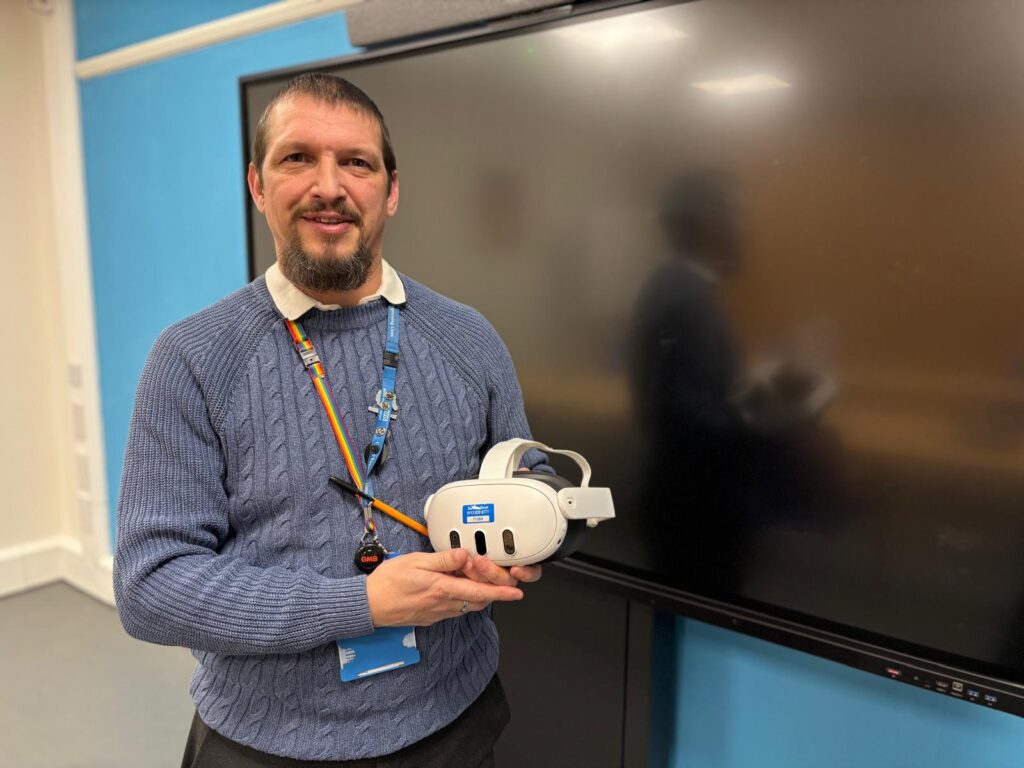
Paul Ladley, Digital Learning Manager at NHSBT, said the project demonstrates the potential of immersive technology in healthcare education.
“This project is a fantastic example of what digital learning can do. It uses VR and immersive filming technologies to put learners into a first-person viewpoint and to also be able to virtually visit difficult to access locations. The mix of technologies and other blended aspects of the programme enable learners to experience the role of eye retriever in a flexible and scalable manner.”
More than 60 eye retrievers have already completed the training, which is now available to all NHSBT staff involved in eye retrieval across the UK.