
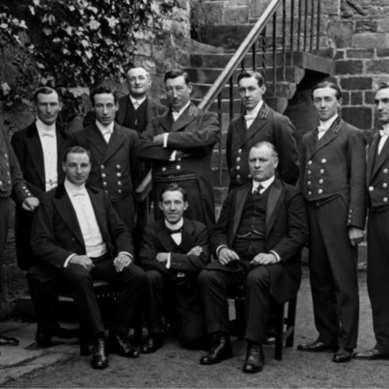
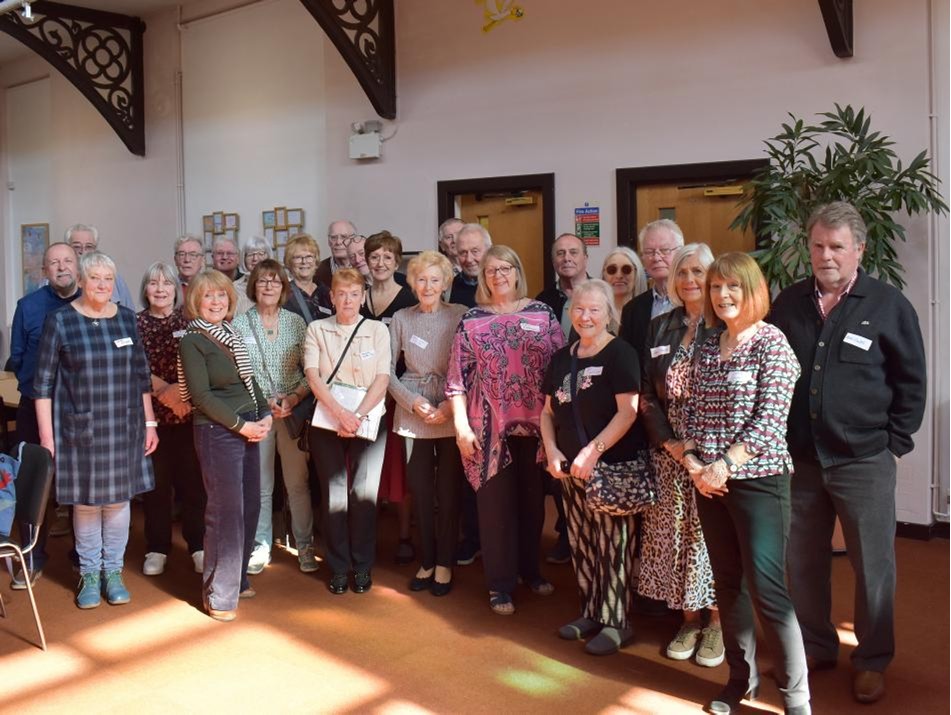
Over sixty years since they last walked its corridors, former pupils of Mexborough Grammar School returned to the College Road building in March to learn that, while the building has changed, the bonds forged there remain as strong as ever.
For many of the attendees, now in their 70s, it was the first time they had seen one another since the 1960s. Such a long-span reunion is rare, and perhaps all the more meaningful for it: a testament to the lasting influence of the school itself.
Founded in 1904 as a temporary mixed school, Mexborough Grammar School moved to the College Road building in 1910. The grammar school welcomed children from a wide catchment area around Mexborough, including Rawmarsh, Sprotbrough and Thurnscoe, many of whom came from working class backgrounds.
But it was the transformative move to the new school on Maple Road in 1964 that defined its most progressive chapter. Former pupils recall a school that felt, in many ways, ahead of its time. If you didn’t pass the eleven-plus exams, you could try again as a fourth former aged 13 or as a sixth former at 16.
At a time when educational reform was still in its early stages, the school became one of the country’s first ‘junior colleges’. This pioneering model, championed by forward-thinking education leader Sir Alec Clegg, challenged traditional divisions and placed opportunity, creativity and intellectual curiosity at its heart.

Academic rigour was balanced with encouragement to think independently; the arts were valued alongside the sciences; and pathways into further education were opened to those who might not otherwise have imagined them.
Walking through the old building once more, attendees found themselves transported back to their school days, despite the original building having been repurposed into the Mexborough Business Centre.
Stories ranged from fearing being pushed down the infamous “fag hole” or punished for eating in uniform, to fond recollections of the octagonal library and language labs at the new school.
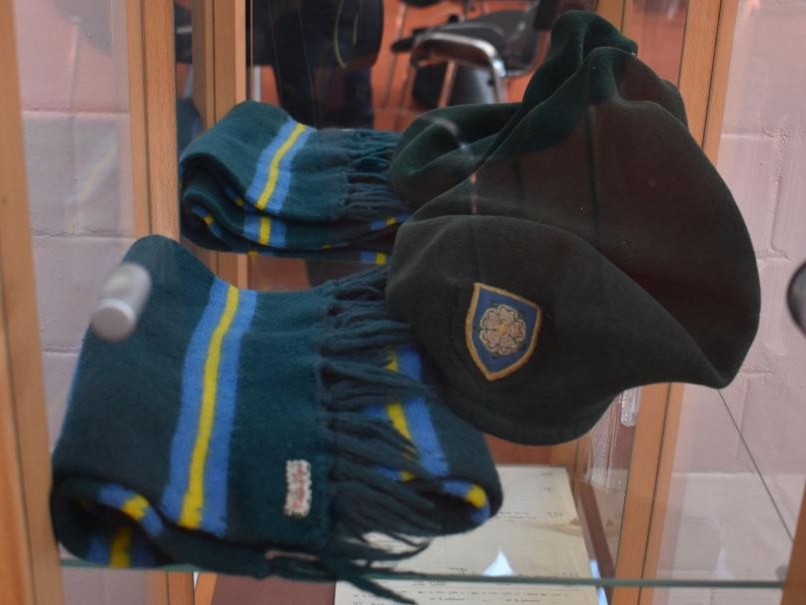
There were lighter moments too, like the challenge of balancing the compulsory school beret on top of backcombed hair, or one pupil’s mischievous decision to release tadpoles into the school pool.
Teachers were remembered with particular affection, especially those who taught English and art. Even mathematics, often a divisive subject, was fondly recalled, thanks to engaging teaching. They inspired confidence, encouraged ambition and nurtured talents that would go on to flourish in many different fields.
And flourish they did. The careers represented at the reunion, spanning education, science, engineering, the arts, broadcasting, public service and more, reflect the breadth of opportunity the school fostered.
Life after school took alumni in many directions. Some remained local; others pursued careers across the UK and beyond. Bryan Gillis perhaps went the furthest, settling in Australia where he became a tribologist and earned a PhD for pioneering work on prosthetic knee implants.
Meanwhile, Ann Lalic moved to London for a career in TV and film, starting as assistant editor at the BBC before gaining a scholarship at the National Film School. She became a freelance documentary filmmaker and later the director on Grand Designs.
Mick Lowcock, inspired by his family’s work on the railways, studied one of the emerging fields of computer science before eventually returning to his roots—now volunteering and driving steam locomotives at Crewe Heritage Centre.

While for others, the school opened unexpected doors. Adele Brown, encouraged to join the sixth form, built a career in beauty therapy before later retraining in ceramics and establishing herself as a successful exhibiting potter. She met her husband Glyn Goulty at sixth form and together they lived and worked in Beirut, Zaire, Paris and Provence – not bad for someone who failed his French O level!
The reunion also rekindled personal bonds. Former classmates Susan Evans and Margaret Smith met again for the first time in 59 years. They’d joined together at 13 and hadn’t seen each other since they left school in 1967.
While sisters Christine and Madeleine Chaplin reflected on sharing their school journey together – and how they were often assumed to be twins despite being 15 months apart. Younger sister Madeleine, or Mala, passed her eleven-plus exams early so they both gained a place at the grammar school at the same time, being placed in the same form, same house and sitting O levels and A levels together.
The sisters went on to do different degrees at different universities. Chris read English at Essex University where she went on to train teachers at Cambridge. Mala did her degree in sociology at Sussex and went on to establish a programme in Gloucestershire to help social workers qualify.
If you are a former Mexborough Grammar School pupil who attended between 1961-63 and would like to attend a future event, contact Judy via email judy@zolitayre.co.uk